THE ADVENTURE COLLECTIVE® · Independent discovery and booking for outdoor travel

Drive from Bariloche into Nahuel Huapi National Park to reach the striking Ventisquero Negro and the valley of Cerro Tronador. This full‑day excursion mixes river viewpoints, native forest paths and a glacier lookout notable for its dark, moraine-streaked ice.
Drive from Bariloche into Nahuel Huapi National Park to reach the striking Ventisquero Negro and the valley of Cerro Tronador. This full‑day excursion mixes river viewpoints, native forest paths and a glacier lookout notable for its dark, moraine-streaked ice.
You leave Bariloche before the high light and drive into a wild, green shoulder of the Andes—roadside bays of lenga and coihue give way to dark volcanic scree and braided rivers. The Manso River appears as a fast ribbon of greenish water, daring you to step closer; later, the black-tinged face of Ventisquero Negro looms, a glacier that stains ice with moraine and ash and seems to push gravity into slow motion.
Verified experiences and guided adventures in the surrounding area.
Operated by Azul Latina Travel · San Carlos de Bariloche, Río Negro
You leave Bariloche before the high light and drive into a wild, green shoulder of the Andes—roadside bays of lenga and coihue give way to dark volcanic scree and braided rivers. The Manso River appears as a fast ribbon of greenish water, daring you to step closer; later, the black-tinged face of Ventisquero Negro looms, a glacier that stains ice with moraine and ash and seems to push gravity into slow motion.
The route threads through Nahuel Huapi National Park, created in the 1930s as Argentina’s first national park, and follows valleys carved by Quaternary glaciation. Cerro Tronador itself is an extinct stratovolcano whose glaciers feed the Manso and Mascardi catchments; Ventisquero Negro stands out because its surface collects dark rock flour and organic debris, changing its color and texture from year to year. Local mountain towns like Pampa Linda have modest refuges and confectioneries where anglers, climbers and families meet after a morning on the trail.
Expect a long day: most operators include hotel pickup in Bariloche and a roughly 8–9 hour round trip with multiple short walks, viewpoints and a final ascent to the glacier overlook. Terrain is a mix of paved and gravel roads with footpaths that can be rocky and wet near river edges. Prepare for sharp sun, sudden wind and cool temperatures near the glacier.
Practical: wear layered clothing, sturdy hiking shoes, sun protection and bring water and snacks. If you’re photographing the glacier, a telephoto and polarizer help reveal crevasses hidden under the dark surface. Respect park signs, give trout streams a wide berth, and carry out all waste.
Most itineraries run about 8–9 hours round trip including hotel pickup, driving, short walks and viewpoint stops.
The final viewpoint involves short, mostly moderate walks; the tour is suitable for most fitness levels but paths can be uneven.
Yes—kingfishers, trout in clear streams and occasionally Andean condors or foxes are spotted from viewpoints and river bridges.
Pampa Linda offers simple food services and a confectionery; bring snacks and cash for small purchases if you prefer specific items.
Azul Latina Travel operates guided outdoor trips and adventures with an emphasis on safety, stewardship, and memorable experiences.
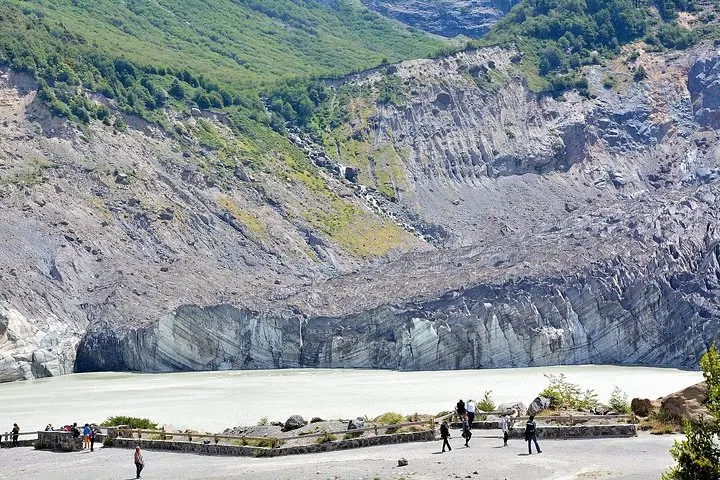
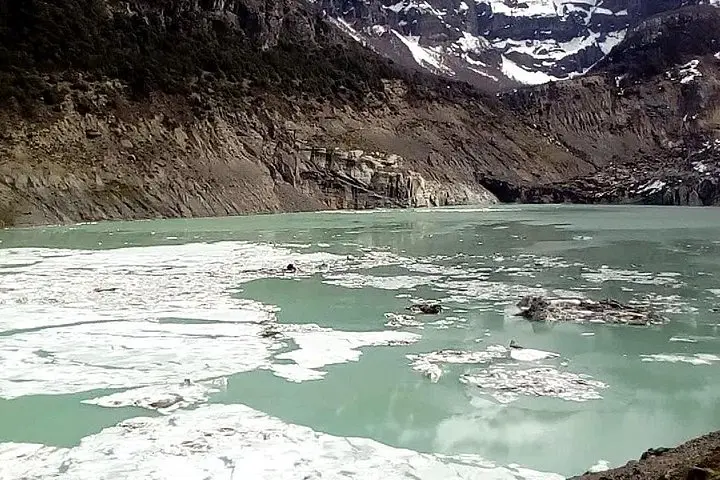
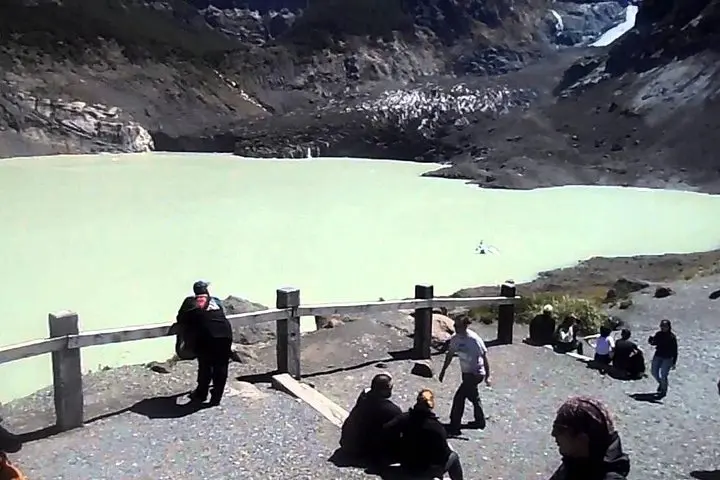
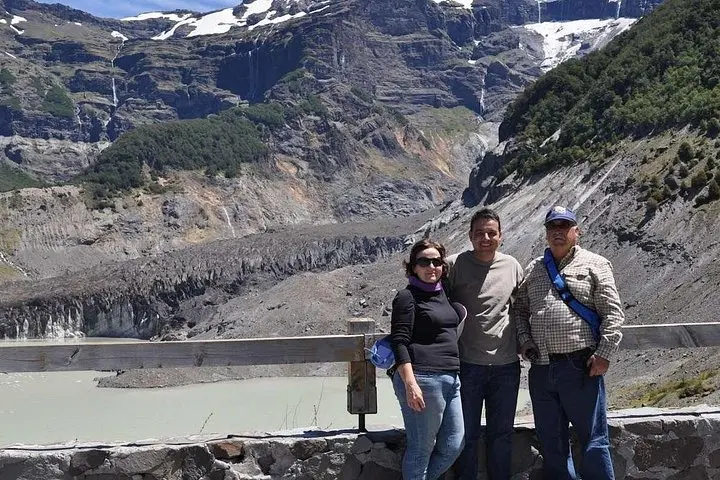
You leave Bariloche before the high light and drive into a wild, green shoulder of the Andes—roadside bays of lenga and coihue give way to dark volcanic scree and braided rivers. The Manso River appears as a fast ribbon of greenish water, daring you to step closer; later, the black-tinged face of Ventisquero Negro looms, a glacier that stains ice with moraine and ash and seems to push gravity into slow motion.
You leave Bariloche before the high light and drive into a wild, green shoulder of the Andes—roadside bays of lenga and coihue give way to dark volcanic scree and braided rivers. The Manso River appears as a fast ribbon of greenish water, daring you to step closer; later, the black-tinged face of Ventisquero Negro looms, a glacier that stains ice with moraine and ash and seems to push gravity into slow motion.
The route threads through Nahuel Huapi National Park, created in the 1930s as Argentina’s first national park, and follows valleys carved by Quaternary glaciation. Cerro Tronador itself is an extinct stratovolcano whose glaciers feed the Manso and Mascardi catchments; Ventisquero Negro stands out because its surface collects dark rock flour and organic debris, changing its color and texture from year to year. Local mountain towns like Pampa Linda have modest refuges and confectioneries where anglers, climbers and families meet after a morning on the trail.
Expect a long day: most operators include hotel pickup in Bariloche and a roughly 8–9 hour round trip with multiple short walks, viewpoints and a final ascent to the glacier overlook. Terrain is a mix of paved and gravel roads with footpaths that can be rocky and wet near river edges. Prepare for sharp sun, sudden wind and cool temperatures near the glacier.
Practical: wear layered clothing, sturdy hiking shoes, sun protection and bring water and snacks. If you’re photographing the glacier, a telephoto and polarizer help reveal crevasses hidden under the dark surface. Respect park signs, give trout streams a wide berth, and carry out all waste.