THE ADVENTURE COLLECTIVE® · Independent discovery and booking for outdoor travel

Explore the Banditaccia necropolis with a private guide and luxury transfer from Rome. Walk through Etruscan streets of the dead, enter carved tombs like the Tomb of Reliefs, and learn how Etruscan craft shaped early Rome.
Explore the Banditaccia necropolis with a private guide and luxury transfer from Rome. Walk through Etruscan streets of the dead, enter carved tombs like the Tomb of Reliefs, and learn how Etruscan craft shaped early Rome.
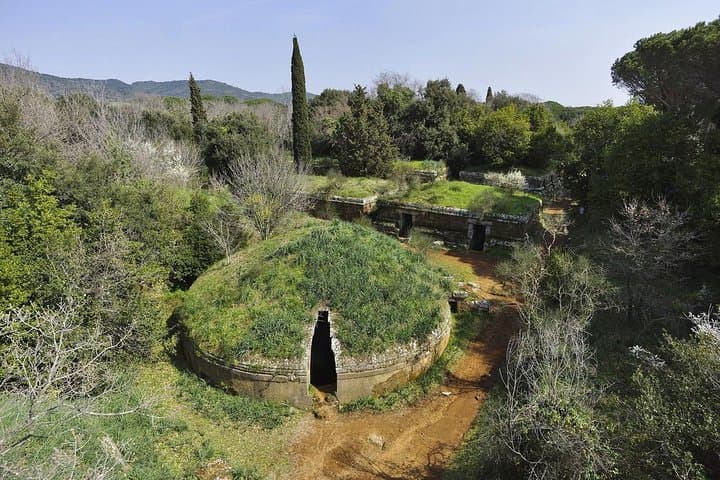
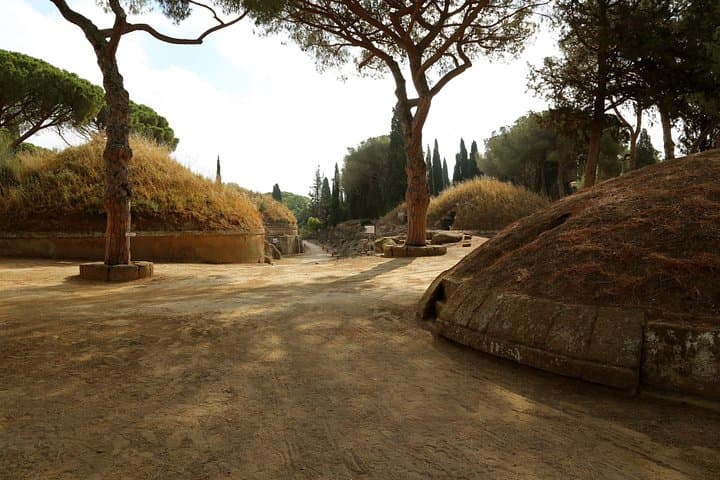
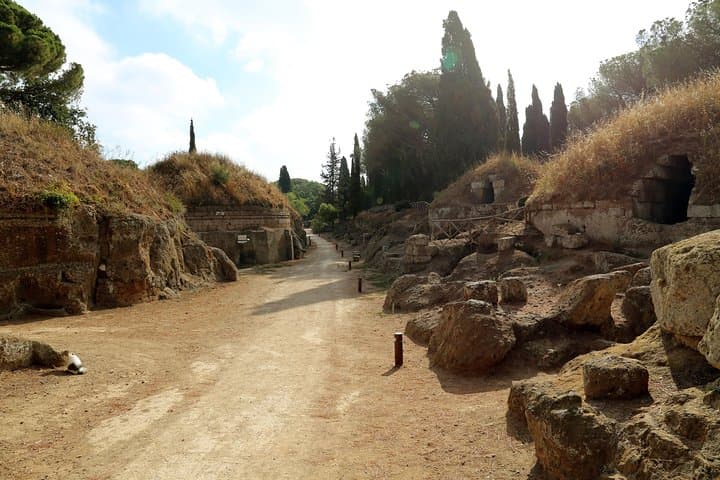
The van slips out of Rome and the low Lazio hills open like a page of old stone. By the time the Necropoli della Banditaccia comes into view, tumuli and rock-cut tomb entrances roll across the plain—compact neighborhoods of the dead laid out with the same urban logic as a living town.
Verified experiences and guided adventures in the surrounding area.
Operated by Rome Italy Explora · Cerveteri, Lazio
The van slips out of Rome and the low Lazio hills open like a page of old stone. By the time the Necropoli della Banditaccia comes into view, tumuli and rock-cut tomb entrances roll across the plain—compact neighborhoods of the dead laid out with the same urban logic as a living town.
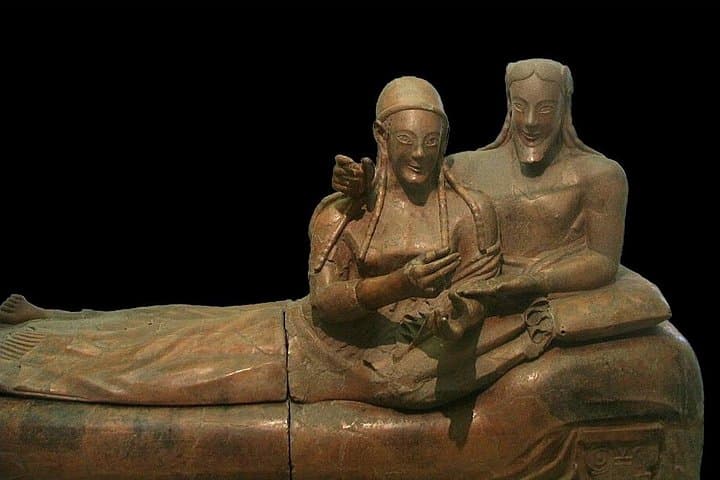
These burial mounds date from the 8th to the 2nd century BC and reflect a people whose craft and social order shaped early Roman culture. The Etruscans carved into local volcanic tuff, creating chambers that mimic houses: painted pillows in the Tomb of Reliefs, a corridor like a miniature temple in the Tomb of the Greek Vases, and the flat-roofed domestic copy of the Capitelli. The geology here—soft, workable tuff over harder strata—made such interior detail possible and preserved funerary objects and frescoes longer than many open-air cemeteries.
A private guide frames the site’s archaeology and the broader Etruscan-Roman story, explaining funerary rites, family plots, and why these tombs are organized like streets and squares. Cultural context matters: Cerveteri was a regional power until assimilation by Rome in the 1st century BC.
Practically, expect three hours on-site within a 5–6 hour private excursion from Rome with luxury transport. Paths are mostly packed earth and low stone steps; a small amount of walking and stairs leads into tombs. Bring good walking shoes, a refillable water bottle, sun protection, and a light layer for coastal breezes. Early light brings out carved details; late afternoon light softens the tuff and crowds thin. The tour combines archaeology, landscape, and clear logistics—ideal for travelers who want history told in situ without rushing.
The private transfer typically takes about 45–60 minutes depending on traffic; the full tour is 5–6 hours including travel.
Many tombs have steps and low passages; your guide will indicate which are safe to enter—those with steep or narrow access may be off-limits.
Yes—children can visit but must be supervised around stairs and inside tombs; strollers are usable on some paths but not inside most tombs.
Yes, this private tour includes entrance tickets to the Banditaccia necropolis as stated in the itinerary.
Rome Italy Explora operates guided outdoor trips and adventures with an emphasis on safety, stewardship, and memorable experiences.
The van slips out of Rome and the low Lazio hills open like a page of old stone. By the time the Necropoli della Banditaccia comes into view, tumuli and rock-cut tomb entrances roll across the plain—compact neighborhoods of the dead laid out with the same urban logic as a living town.
The van slips out of Rome and the low Lazio hills open like a page of old stone. By the time the Necropoli della Banditaccia comes into view, tumuli and rock-cut tomb entrances roll across the plain—compact neighborhoods of the dead laid out with the same urban logic as a living town.
These burial mounds date from the 8th to the 2nd century BC and reflect a people whose craft and social order shaped early Roman culture. The Etruscans carved into local volcanic tuff, creating chambers that mimic houses: painted pillows in the Tomb of Reliefs, a corridor like a miniature temple in the Tomb of the Greek Vases, and the flat-roofed domestic copy of the Capitelli. The geology here—soft, workable tuff over harder strata—made such interior detail possible and preserved funerary objects and frescoes longer than many open-air cemeteries.
A private guide frames the site’s archaeology and the broader Etruscan-Roman story, explaining funerary rites, family plots, and why these tombs are organized like streets and squares. Cultural context matters: Cerveteri was a regional power until assimilation by Rome in the 1st century BC.
Practically, expect three hours on-site within a 5–6 hour private excursion from Rome with luxury transport. Paths are mostly packed earth and low stone steps; a small amount of walking and stairs leads into tombs. Bring good walking shoes, a refillable water bottle, sun protection, and a light layer for coastal breezes. Early light brings out carved details; late afternoon light softens the tuff and crowds thin. The tour combines archaeology, landscape, and clear logistics—ideal for travelers who want history told in situ without rushing.