THE ADVENTURE COLLECTIVE® · Independent discovery and booking for outdoor travel
Walk Český Krumlov with a private guide and move from castle ramparts to river bends while learning about the Rosenbergs, Eggenbergs and the town’s UNESCO-listed center. Two hours of focused history, local color, and great viewpoints.
Walk Český Krumlov with a private guide and move from castle ramparts to river bends while learning about the Rosenbergs, Eggenbergs and the town’s UNESCO-listed center. Two hours of focused history, local color, and great viewpoints.
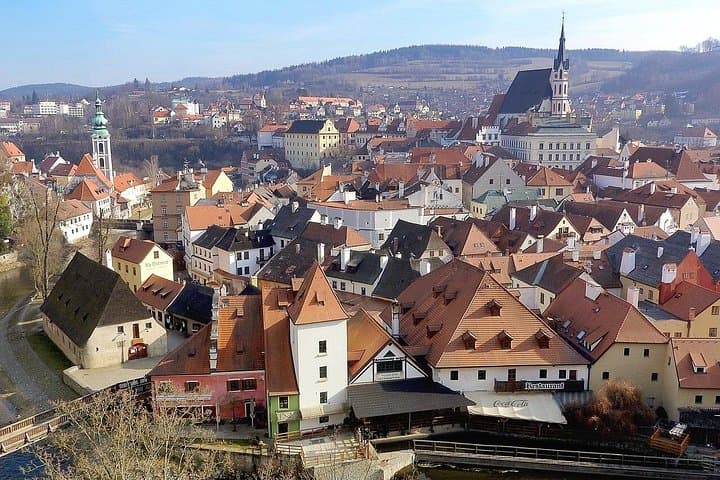
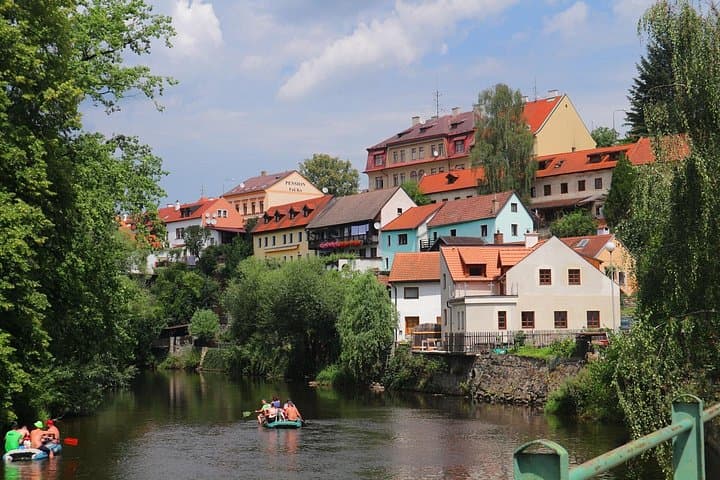
Cobblestones click underfoot as the Vltava makes a slow, deliberate curve around the old town, pulling the day’s light across red-tiled roofs and the layered facades of Renaissance houses.
Verified experiences and guided adventures in the surrounding area.
Operated by Global Guide Services · Český Krumlov, South Bohemian Region
Cobblestones click underfoot as the Vltava makes a slow, deliberate curve around the old town, pulling the day’s light across red-tiled roofs and the layered facades of Renaissance houses.
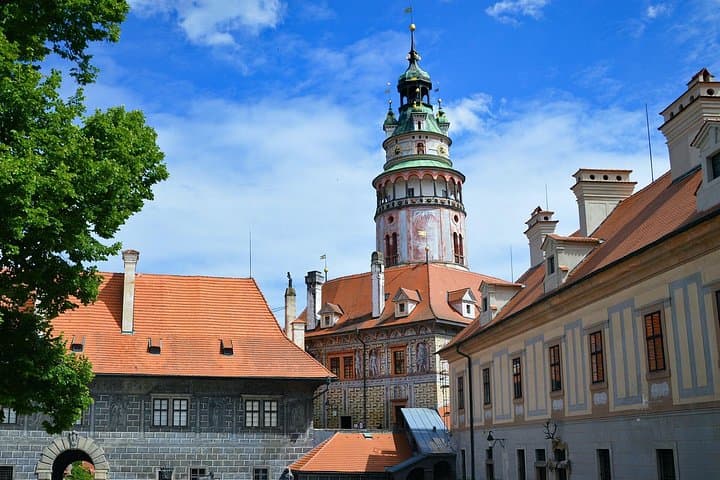
A private walking tour in Český Krumlov moves at a human pace: past the castle’s hilltop ramparts, through tight lanes that open onto the broad Náměstí Svornosti, and along river bends where swans patrol the shallows. Guides point out the Rosenberg coat-of-arms etched into facades, recount the town’s rise under the Vítkovci and the later influence of the Eggenberg and Schwarzenberg houses, and explain why UNESCO recognized the historic core for its preserved medieval and Baroque fabric.
Geologically the region sits on rolling Bohemian massifs; stone foundations and river terraces shaped where houses cling to slopes. Cultural notes emerge in unexpected places — a bohemian workshop doorway, a small Jewish cemetery tucked off a lane, or the local brewery’s sign — each a marker of centuries of trade, conflict, and craft from the Kingdom of Bohemia through the Velvet Revolution.
Practical guidance is straightforward: two hours covers key sites without rushing. Wear supportive shoes for uneven cobbles and bring a light rain layer; summer sun hits exposed squares while spring and autumn can be brisk. Photography is excellent from the castle gardens and the riverside promenade; small-group private format lets a guide tailor stops and answer deeper questions about architecture, family dynasties, and local traditions. For first visits this tour balances orientation, history, and the quiet pleasures of wandering a medieval town still shaped by the river.
Meeting point is typically in the historic center near Náměstí Svornosti; exact location is confirmed at booking.
The tour notes stroller access for short distances, but many streets and castle areas have uneven cobbles and steps—access can be limited for wheelchairs.
Private guides often work in English and may offer other languages by request; confirm language availability when booking.
Yes—private format allows on-the-spot customization to emphasize architecture, family histories, or contemporary culture.
Global Guide Services operates guided outdoor trips and adventures with an emphasis on safety, stewardship, and memorable experiences.
Cobblestones click underfoot as the Vltava makes a slow, deliberate curve around the old town, pulling the day’s light across red-tiled roofs and the layered facades of Renaissance houses.
Cobblestones click underfoot as the Vltava makes a slow, deliberate curve around the old town, pulling the day’s light across red-tiled roofs and the layered facades of Renaissance houses.
A private walking tour in Český Krumlov moves at a human pace: past the castle’s hilltop ramparts, through tight lanes that open onto the broad Náměstí Svornosti, and along river bends where swans patrol the shallows. Guides point out the Rosenberg coat-of-arms etched into facades, recount the town’s rise under the Vítkovci and the later influence of the Eggenberg and Schwarzenberg houses, and explain why UNESCO recognized the historic core for its preserved medieval and Baroque fabric.
Geologically the region sits on rolling Bohemian massifs; stone foundations and river terraces shaped where houses cling to slopes. Cultural notes emerge in unexpected places — a bohemian workshop doorway, a small Jewish cemetery tucked off a lane, or the local brewery’s sign — each a marker of centuries of trade, conflict, and craft from the Kingdom of Bohemia through the Velvet Revolution.
Practical guidance is straightforward: two hours covers key sites without rushing. Wear supportive shoes for uneven cobbles and bring a light rain layer; summer sun hits exposed squares while spring and autumn can be brisk. Photography is excellent from the castle gardens and the riverside promenade; small-group private format lets a guide tailor stops and answer deeper questions about architecture, family dynasties, and local traditions. For first visits this tour balances orientation, history, and the quiet pleasures of wandering a medieval town still shaped by the river.
