THE ADVENTURE COLLECTIVE® · Independent discovery and booking for outdoor travel

Small-group, biologist-led whale-watching from Costa Adeje offers up-close, respectful cetacean encounters off Tenerife’s southern shelf. Expect hydrophones, engine-off listening sessions, and informed interpretation on a 2½-hour Eco Experience.
Small-group, biologist-led whale-watching from Costa Adeje offers up-close, respectful cetacean encounters off Tenerife’s southern shelf. Expect hydrophones, engine-off listening sessions, and informed interpretation on a 2½-hour Eco Experience.
The Atlantic breathes differently off Costa Adeje: a low swell, gulls slicing the horizon, and the sudden, unmistakable rise of a fin. A small, ten-passenger boat slips from Puerto Colón and, guided by an on-board biologist, moves deliberately through deep blue water. Engines cut, a hydrophone drops and the sea's voices become audible — clicks, whistles and the hush of distant blows.
Verified experiences and guided adventures in the surrounding area.
Operated by Atlantic Eco Experience · Costa Adeje, Santa Cruz de Tenerife
The Atlantic breathes differently off Costa Adeje: a low swell, gulls slicing the horizon, and the sudden, unmistakable rise of a fin. A small, ten-passenger boat slips from Puerto Colón and, guided by an on-board biologist, moves deliberately through deep blue water. Engines cut, a hydrophone drops and the sea's voices become audible — clicks, whistles and the hush of distant blows.
Tenerife's southern shelf drops quickly from shore into submarine canyons formed by volcanic flows and erosion; those steep contours concentrate prey and draw cetaceans year-round. The archipelago's human history—from early fishermen to modern marine researchers—meets that geology here: boats still fish these waters, but eco-focused operators now chart courses that prioritize animals and scientific observation.
On this Eco Experience, visitors can expect patient interpretation rather than a thrill-chase: sightings of pilot whales, common dolphins, occasional bottlenose dolphins, and sea turtles are common, with seabirds riding thermals above. The crew are active collaborators with the island's Wildlife Recovery Center and practice on-water cleanup when possible.
Practical guidance: trips run about 2½ hours and cap at ten guests; dress in layers and bring a windproof shell, motion-sickness meds if you’re prone, and a telephoto lens or binoculars. Respect clear viewing distances and follow the guide’s instructions—approach protocols and engine shut-downs are part of protecting natural behavior. Book early in high season and expect flexible cancellations for weather; mornings often offer calmer seas and better listening conditions.
The Eco Experience runs about 150 minutes (2½ hours) from the scheduled departure time.
Yes—crew deploy a hydrophone and often cut the engines during sightings so you can hear cetacean vocalizations when present.
Yes—infants are allowed but must sit on a lap; operators limit group size to 10 for safety and comfort.
The operator cancels for bad weather and insufficient travelers; cancel at least 24 hours for a full refund per the booking terms.
Atlantic Eco Experience operates guided outdoor trips and adventures with an emphasis on safety, stewardship, and memorable experiences.
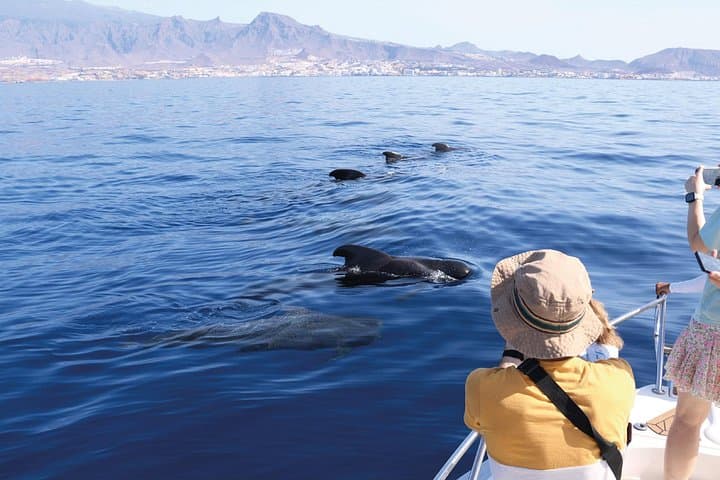
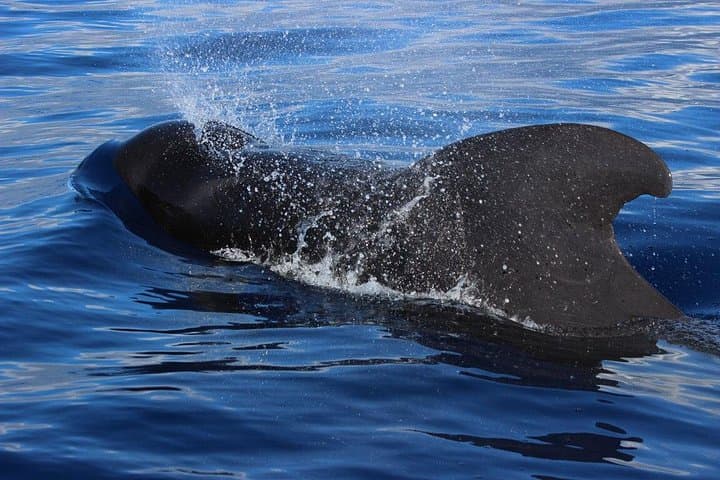
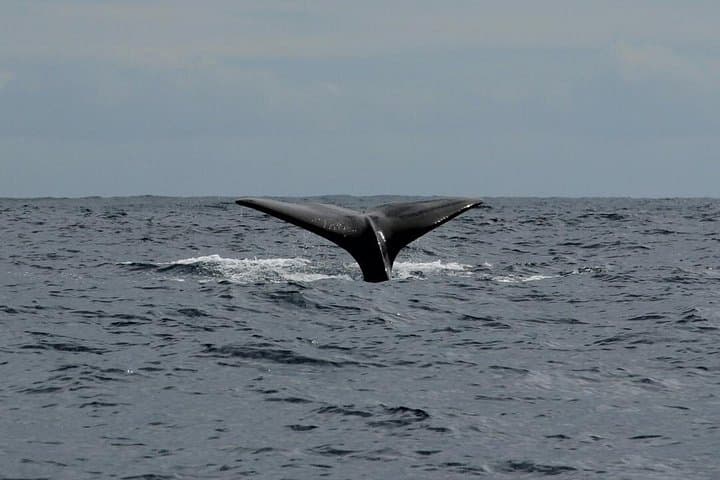
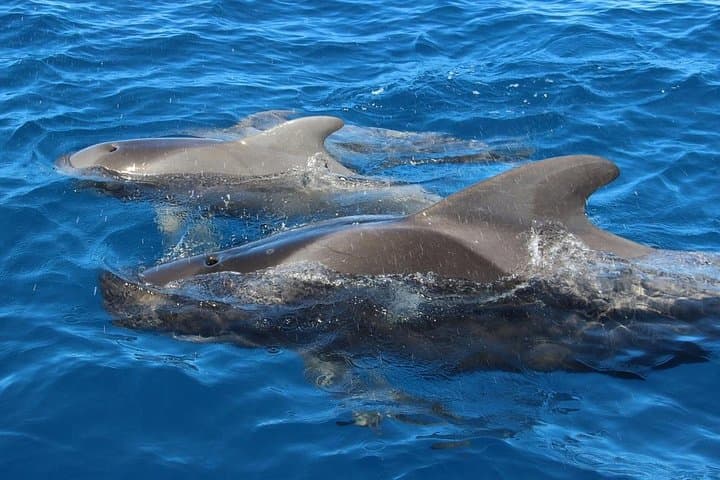
The Atlantic breathes differently off Costa Adeje: a low swell, gulls slicing the horizon, and the sudden, unmistakable rise of a fin. A small, ten-passenger boat slips from Puerto Colón and, guided by an on-board biologist, moves deliberately through deep blue water. Engines cut, a hydrophone drops and the sea's voices become audible — clicks, whistles and the hush of distant blows.
The Atlantic breathes differently off Costa Adeje: a low swell, gulls slicing the horizon, and the sudden, unmistakable rise of a fin. A small, ten-passenger boat slips from Puerto Colón and, guided by an on-board biologist, moves deliberately through deep blue water. Engines cut, a hydrophone drops and the sea's voices become audible — clicks, whistles and the hush of distant blows.
Tenerife's southern shelf drops quickly from shore into submarine canyons formed by volcanic flows and erosion; those steep contours concentrate prey and draw cetaceans year-round. The archipelago's human history—from early fishermen to modern marine researchers—meets that geology here: boats still fish these waters, but eco-focused operators now chart courses that prioritize animals and scientific observation.
On this Eco Experience, visitors can expect patient interpretation rather than a thrill-chase: sightings of pilot whales, common dolphins, occasional bottlenose dolphins, and sea turtles are common, with seabirds riding thermals above. The crew are active collaborators with the island's Wildlife Recovery Center and practice on-water cleanup when possible.
Practical guidance: trips run about 2½ hours and cap at ten guests; dress in layers and bring a windproof shell, motion-sickness meds if you’re prone, and a telephoto lens or binoculars. Respect clear viewing distances and follow the guide’s instructions—approach protocols and engine shut-downs are part of protecting natural behavior. Book early in high season and expect flexible cancellations for weather; mornings often offer calmer seas and better listening conditions.