THE ADVENTURE COLLECTIVE® · Independent discovery and booking for outdoor travel

Board at Barbate marina and head to the Trafalgar routes for a three-hour cetacean watch. Expect dolphins, occasional whales and shifting sea conditions between April and October.
Board at Barbate marina and head to the Trafalgar routes for a three-hour cetacean watch. Expect dolphins, occasional whales and shifting sea conditions between April and October.
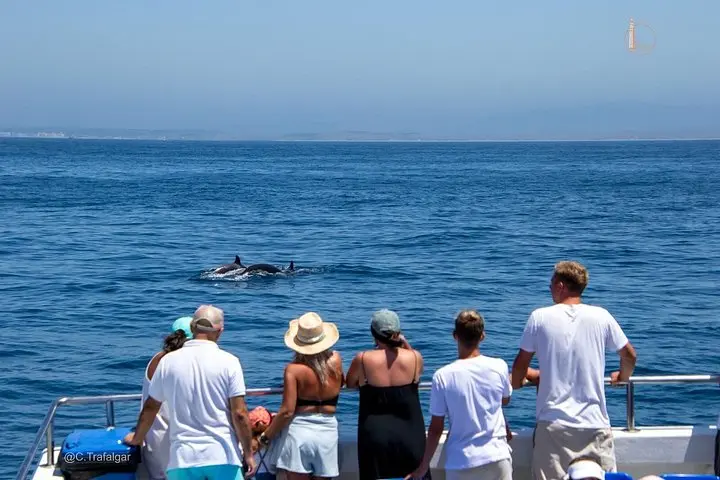
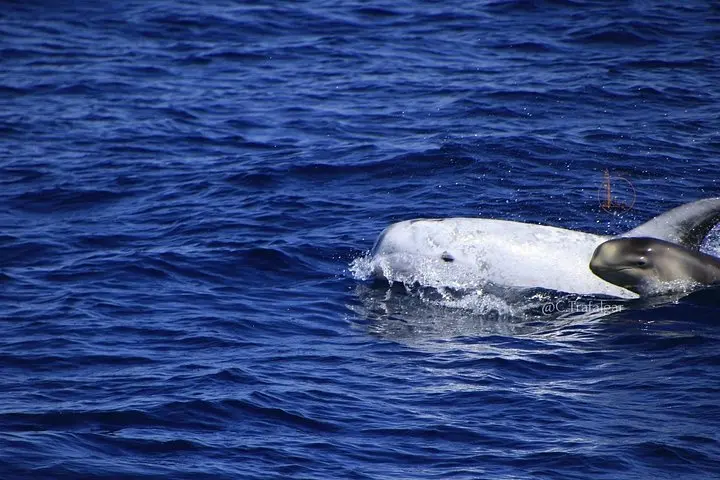
You push off Barbate marina and the Atlantic opens up, gray-blue and restless. Wind tugs at your jacket, gulls wheel low, and the captain eases the boat onto the Trafalgar routes where currents meet an offshore shelf and life gathers. Within minutes the horizon changes from empty water to a shifting, breaching line of dorsal fins and spray — dolphins weaving through wakes, larger bodies rolling in slower rhythms.
Verified experiences and guided adventures in the surrounding area.
Operated by MARINE ATLANTES · Barbate, Cádiz
You push off Barbate marina and the Atlantic opens up, gray-blue and restless. Wind tugs at your jacket, gulls wheel low, and the captain eases the boat onto the Trafalgar routes where currents meet an offshore shelf and life gathers. Within minutes the horizon changes from empty water to a shifting, breaching line of dorsal fins and spray — dolphins weaving through wakes, larger bodies rolling in slower rhythms.
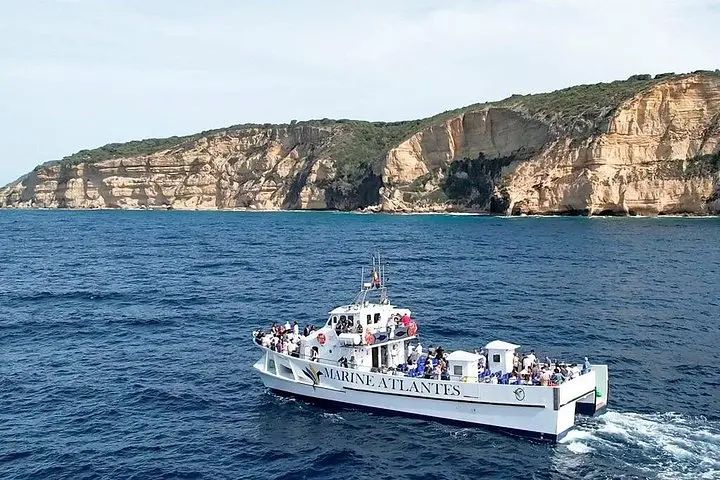
This stretch of the Cádiz coast has a layered history: from the 1805 Battle of Trafalgar to centuries of tuna fishing in Barbate. Geologically, an abrupt continental shelf and seasonal upwelling concentrate nutrients, attracting squid, fish and the cetaceans that feed on them. Local culture still orbits the sea — fishermen, canneries and a marina that serves as the launch point for daily excursions April–October.
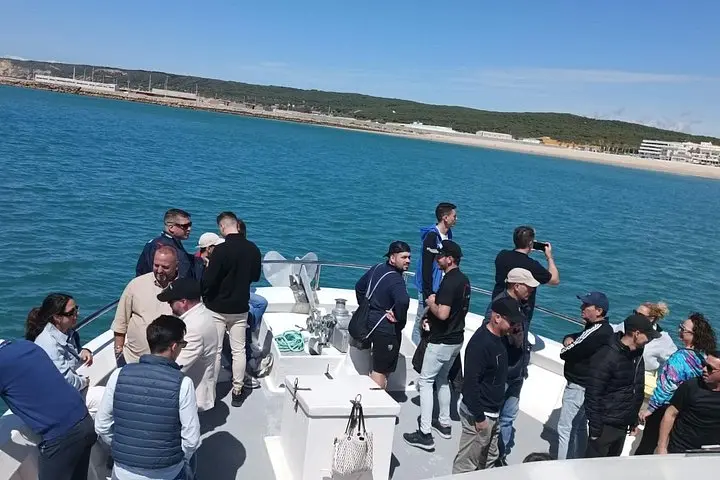
Expect three hours afloat with time spent cruising and standing watch. Guides use experience and local charts to find sightings but animals remain wild — sightings aren’t guaranteed. The sea can swing from glassy calm to choppy within an hour, so plan layers and motion-sickness remedies.
Practical tips: arrive 30 minutes early at Barbate marina, bring bottled water (some operators include it), carry binoculars and a camera with a fast shutter, and wear non-slip shoes. Morning departures often mean calmer seas and more predictable light for photos; later trips can catch different feeding behavior. Respect viewing rules: no chasing, maintain distance, and follow crew instructions. With basic preparation you’ll trade the shore’s comfort for a front-row seat to cetacean life off southern Spain.
Daily departures run April through October, typically lasting about three hours.
No — guides increase odds using local knowledge, but animals are wild and sightings can’t be guaranteed.
Yes — infants may ride in strollers and must sit on an adult’s lap; follow operator age rules and safety briefings.
This tour is not recommended for pregnant travelers or those with serious cardiovascular issues due to movement and emergent conditions at sea.
MARINE ATLANTES operates guided outdoor trips and adventures with an emphasis on safety, stewardship, and memorable experiences.
You push off Barbate marina and the Atlantic opens up, gray-blue and restless. Wind tugs at your jacket, gulls wheel low, and the captain eases the boat onto the Trafalgar routes where currents meet an offshore shelf and life gathers. Within minutes the horizon changes from empty water to a shifting, breaching line of dorsal fins and spray — dolphins weaving through wakes, larger bodies rolling in slower rhythms.
You push off Barbate marina and the Atlantic opens up, gray-blue and restless. Wind tugs at your jacket, gulls wheel low, and the captain eases the boat onto the Trafalgar routes where currents meet an offshore shelf and life gathers. Within minutes the horizon changes from empty water to a shifting, breaching line of dorsal fins and spray — dolphins weaving through wakes, larger bodies rolling in slower rhythms.
This stretch of the Cádiz coast has a layered history: from the 1805 Battle of Trafalgar to centuries of tuna fishing in Barbate. Geologically, an abrupt continental shelf and seasonal upwelling concentrate nutrients, attracting squid, fish and the cetaceans that feed on them. Local culture still orbits the sea — fishermen, canneries and a marina that serves as the launch point for daily excursions April–October.
Expect three hours afloat with time spent cruising and standing watch. Guides use experience and local charts to find sightings but animals remain wild — sightings aren’t guaranteed. The sea can swing from glassy calm to choppy within an hour, so plan layers and motion-sickness remedies.
Practical tips: arrive 30 minutes early at Barbate marina, bring bottled water (some operators include it), carry binoculars and a camera with a fast shutter, and wear non-slip shoes. Morning departures often mean calmer seas and more predictable light for photos; later trips can catch different feeding behavior. Respect viewing rules: no chasing, maintain distance, and follow crew instructions. With basic preparation you’ll trade the shore’s comfort for a front-row seat to cetacean life off southern Spain.