THE ADVENTURE COLLECTIVE® · Independent discovery and booking for outdoor travel

Move from Colombo’s colonial streets into misty tea terraces and UNESCO temples on a 10‑day loop through Sri Lanka’s hill country. This tour pairs factory visits and tastings with cultural highlights like Kandy and Galle, plus a nature stop at Horton Plains.
Move from Colombo’s colonial streets into misty tea terraces and UNESCO temples on a 10‑day loop through Sri Lanka’s hill country. This tour pairs factory visits and tastings with cultural highlights like Kandy and Galle, plus a nature stop at Horton Plains.
Dawn on the central highlands feels crisp: mist slides down terraces of emerald tea bushes, and the first light finds leaf-pickers threading between rows with bamboo baskets. On this 10‑day circuit you move from the bustle of Colombo to the drumbeat of Kandy, up into the cool air of Nuwara Eliya, and out along the southern coast—every stop a different chapter in Sri Lanka’s story.
Verified experiences and guided adventures in the surrounding area.
Operated by KINGFISHER TOURS SRI LANKA · Colombo, Western Province
Dawn on the central highlands feels crisp: mist slides down terraces of emerald tea bushes, and the first light finds leaf-pickers threading between rows with bamboo baskets. On this 10‑day circuit you move from the bustle of Colombo to the drumbeat of Kandy, up into the cool air of Nuwara Eliya, and out along the southern coast—every stop a different chapter in Sri Lanka’s story.
Tea here is history and geology in a cup. James Taylor’s 19th‑century experiments transformed upland soils and a montane climate into Ceylon tea; the steep slopes, volcanic-derived soils and regular cloud cover create the bright, brisk leaves famous worldwide. Cultural threads run alongside: the Temple of the Sacred Tooth in Kandy, Dutch‑era Galle Fort, and the living craft of plucking and processing at family factories like Handunugoda.
Horton Plains delivers open montane grassland and the dizzying precipice of World’s End (a drop of several hundred metres), while the Madu River marshes reveal mangroves, cinnamon islands and shy waterbirds. Expect short walks at factories, a 3–4 hour scenic drive between major towns, and a few light hikes—some at altitude around 1,800–2,100 m.
Practical edge: pack layers for cool mornings, a lightweight rain shell, sturdy walking shoes for muddy plantation tracks and conservative clothing for temple visits. Stay hydrated; bottled water is widely available. Plan travel time—roads in the hill country can be slow but scenic—and book tastings at smaller factories in advance to see with fewer crowds. Respect local customs in sacred sites and buy fresh leaf directly when you can: it supports small growers and makes better tea for home.
November to April is generally drier on the southwest and southern coasts; February to April gives clearer skies in the hill country, though tea regions are scenic year‑round.
Daily activity is mostly short walks—plantation paths and heritage sites—plus one moderate 3‑hour walk at Horton Plains; no technical trekking required.
Yes; expect to cover shoulders and knees, remove shoes and behave quietly during ceremonies at Buddhist and Hindu sites.
Many parts are family‑friendly; however, hill country roads and some sites have uneven surfaces—check accessibility options and notify operators in advance.
KINGFISHER TOURS SRI LANKA operates guided outdoor trips and adventures with an emphasis on safety, stewardship, and memorable experiences.
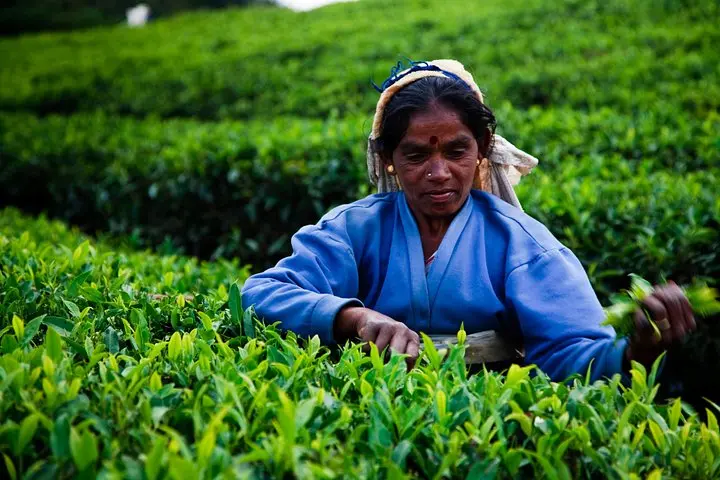
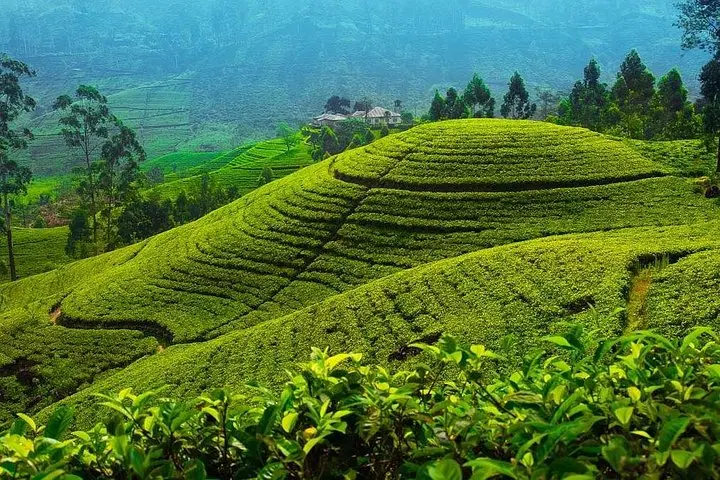

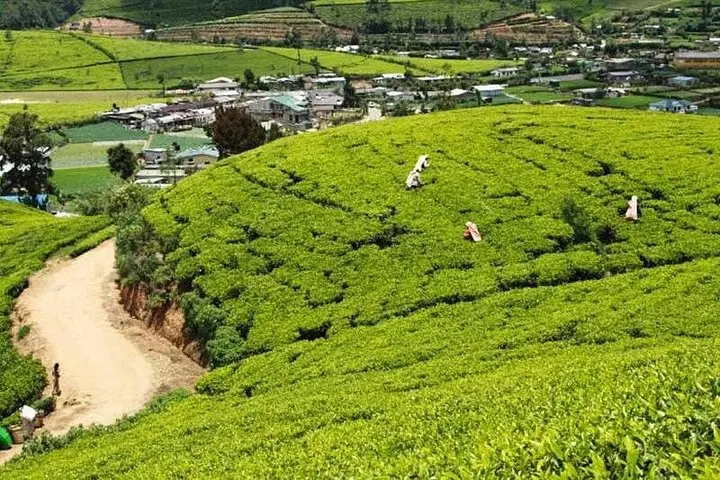
Dawn on the central highlands feels crisp: mist slides down terraces of emerald tea bushes, and the first light finds leaf-pickers threading between rows with bamboo baskets. On this 10‑day circuit you move from the bustle of Colombo to the drumbeat of Kandy, up into the cool air of Nuwara Eliya, and out along the southern coast—every stop a different chapter in Sri Lanka’s story.
Dawn on the central highlands feels crisp: mist slides down terraces of emerald tea bushes, and the first light finds leaf-pickers threading between rows with bamboo baskets. On this 10‑day circuit you move from the bustle of Colombo to the drumbeat of Kandy, up into the cool air of Nuwara Eliya, and out along the southern coast—every stop a different chapter in Sri Lanka’s story.
Tea here is history and geology in a cup. James Taylor’s 19th‑century experiments transformed upland soils and a montane climate into Ceylon tea; the steep slopes, volcanic-derived soils and regular cloud cover create the bright, brisk leaves famous worldwide. Cultural threads run alongside: the Temple of the Sacred Tooth in Kandy, Dutch‑era Galle Fort, and the living craft of plucking and processing at family factories like Handunugoda.
Horton Plains delivers open montane grassland and the dizzying precipice of World’s End (a drop of several hundred metres), while the Madu River marshes reveal mangroves, cinnamon islands and shy waterbirds. Expect short walks at factories, a 3–4 hour scenic drive between major towns, and a few light hikes—some at altitude around 1,800–2,100 m.
Practical edge: pack layers for cool mornings, a lightweight rain shell, sturdy walking shoes for muddy plantation tracks and conservative clothing for temple visits. Stay hydrated; bottled water is widely available. Plan travel time—roads in the hill country can be slow but scenic—and book tastings at smaller factories in advance to see with fewer crowds. Respect local customs in sacred sites and buy fresh leaf directly when you can: it supports small growers and makes better tea for home.