THE ADVENTURE COLLECTIVE® · Independent discovery and booking for outdoor travel

Explore Chacchoben’s jungle-draped pyramids and then move into the rhythms of a modern Maya village—tortillas pressed by hand, ancestral remedies explained, and a family lunch that brings centuries of flavor to the table. Ideal for history-minded cruise passengers who want an accessible cultural immersion.
Explore Chacchoben’s jungle-draped pyramids and then move into the rhythms of a modern Maya village—tortillas pressed by hand, ancestral remedies explained, and a family lunch that brings centuries of flavor to the table. Ideal for history-minded cruise passengers who want an accessible cultural immersion.
You step off the ship into humid air and, within an hour, the jungle closes behind the bus: palms and ceiba roots bristle at the roadside, a chorus of insect calls insisting you move slower. At Chacchoben the stone rises from leaf litter—broad plazas, truncated pyramids, and crumbly stairways that still hold the geometry of a civilization that began here over two millennia ago.
Verified experiences and guided adventures in the surrounding area.
Operated by Next Experience Travel · Mahahual, Quintana Roo
You step off the ship into humid air and, within an hour, the jungle closes behind the bus: palms and ceiba roots bristle at the roadside, a chorus of insect calls insisting you move slower. At Chacchoben the stone rises from leaf litter—broad plazas, truncated pyramids, and crumbly stairways that still hold the geometry of a civilization that began here over two millennia ago.
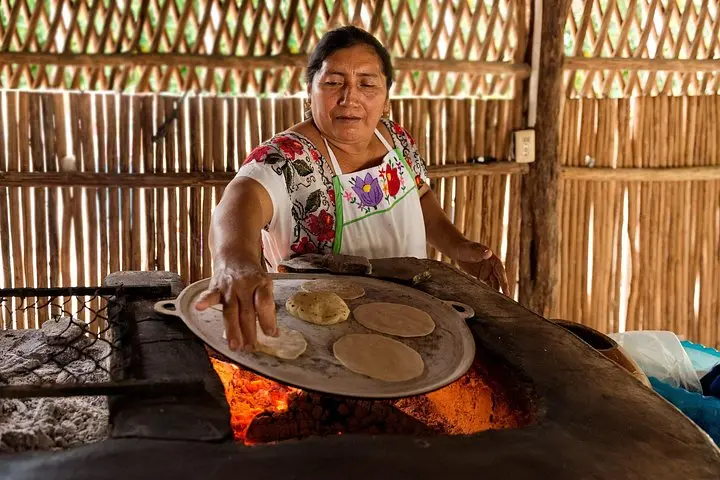
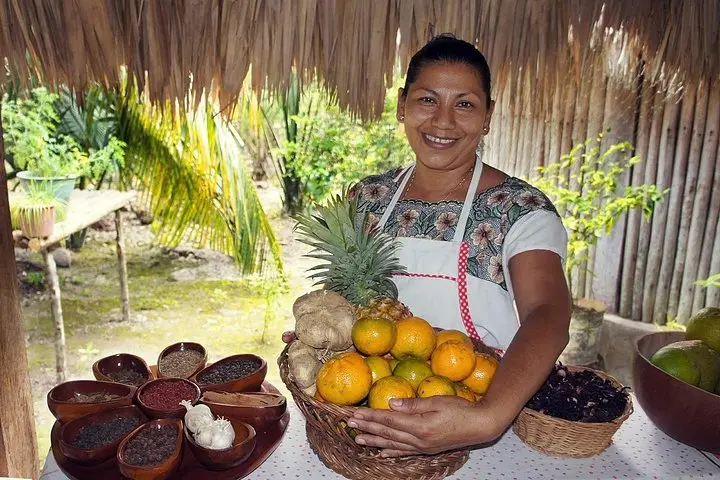
The site dates to the Preclassic period (around 200 BC) and sits on low limestone with thin soils that influenced how the Maya built—platforms and plazas to lift monuments above seasonal moisture. Nearby, a living Maya village maintains ancestral crafts: tortilla-making on a comal, herbal remedies, and recipes that favor chilies, native beans and freshly harvested corn.
This combo tour pairs a 90-minute guided walk among shaded ruins with a two-hour visit to a family homestead where storytelling, hands-on food prep, and a home-cooked lunch show daily life today. Expect uneven packed-earth paths, modest elevation changes, and open-air structures—good sun exposure in gaps and mosquitoes at the margins.
Practical edge: bring a brimmed hat, sunscreen, and a refillable bottle; walking shoes with tread and a light rain layer help when tropical squalls roll through. The tour is paced for cruise passengers—about 5.5 hours total—so time management is tight; allow the meeting point walk from the pier. Photography is welcome but drones and tripods are restricted. Stick to trails, listen to your guide, and leave time to buy a woven or ceramic souvenir directly from the family hosts—an investment that supports conservation and local livelihoods.
Yes—this combo includes a home‑cooked traditional Mayan lunch prepared by the host family.
Families are welcome; the tour notes stroller access and infant seats are available, though there is some walking on uneven ground.
No—tripods and drones are prohibited at the archaeological site to protect the monuments and visitors.
The archaeological tour portion is approximately 90 minutes, followed by about 120 minutes in the village experience.
Next Experience Travel operates guided outdoor trips and adventures with an emphasis on safety, stewardship, and memorable experiences.
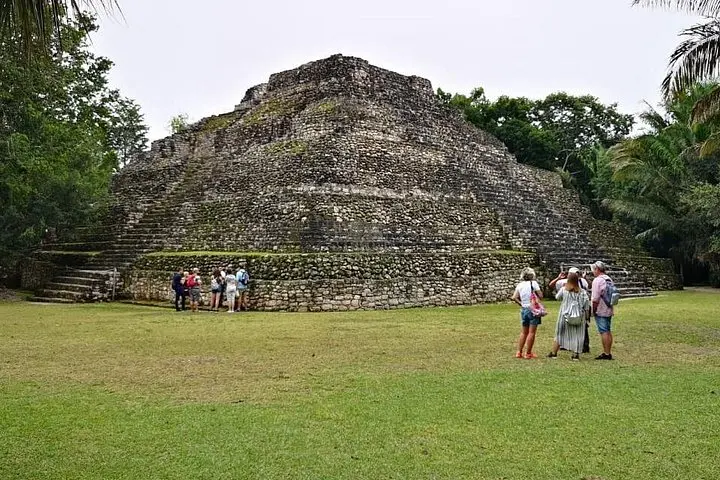
You step off the ship into humid air and, within an hour, the jungle closes behind the bus: palms and ceiba roots bristle at the roadside, a chorus of insect calls insisting you move slower. At Chacchoben the stone rises from leaf litter—broad plazas, truncated pyramids, and crumbly stairways that still hold the geometry of a civilization that began here over two millennia ago.
You step off the ship into humid air and, within an hour, the jungle closes behind the bus: palms and ceiba roots bristle at the roadside, a chorus of insect calls insisting you move slower. At Chacchoben the stone rises from leaf litter—broad plazas, truncated pyramids, and crumbly stairways that still hold the geometry of a civilization that began here over two millennia ago.
The site dates to the Preclassic period (around 200 BC) and sits on low limestone with thin soils that influenced how the Maya built—platforms and plazas to lift monuments above seasonal moisture. Nearby, a living Maya village maintains ancestral crafts: tortilla-making on a comal, herbal remedies, and recipes that favor chilies, native beans and freshly harvested corn.
This combo tour pairs a 90-minute guided walk among shaded ruins with a two-hour visit to a family homestead where storytelling, hands-on food prep, and a home-cooked lunch show daily life today. Expect uneven packed-earth paths, modest elevation changes, and open-air structures—good sun exposure in gaps and mosquitoes at the margins.
Practical edge: bring a brimmed hat, sunscreen, and a refillable bottle; walking shoes with tread and a light rain layer help when tropical squalls roll through. The tour is paced for cruise passengers—about 5.5 hours total—so time management is tight; allow the meeting point walk from the pier. Photography is welcome but drones and tripods are restricted. Stick to trails, listen to your guide, and leave time to buy a woven or ceramic souvenir directly from the family hosts—an investment that supports conservation and local livelihoods.