THE ADVENTURE COLLECTIVE® · Independent discovery and booking for outdoor travel

A full-day trip into Chagres National Park that pairs a river boat ride and limestone cave exploration with a cultural visit to an Embera village. Expect wet rock, rainforest trails and guided cultural exchange.
A full-day trip into Chagres National Park that pairs a river boat ride and limestone cave exploration with a cultural visit to an Embera village. Expect wet rock, rainforest trails and guided cultural exchange.
You step off the dusty riverbank and the Chagres River immediately claims your attention — a broad, slow current that seems to push the rainforest inward. The boat ride from the highway through mangled roots and towering trees sets the tone: this is not a postcard view, it’s an active landscape where water, stone and culture meet.
Verified experiences and guided adventures in the surrounding area.
Operated by Panama Outdoors · Panama City, Panamá Province
You step off the dusty riverbank and the Chagres River immediately claims your attention — a broad, slow current that seems to push the rainforest inward. The boat ride from the highway through mangled roots and towering trees sets the tone: this is not a postcard view, it’s an active landscape where water, stone and culture meet.
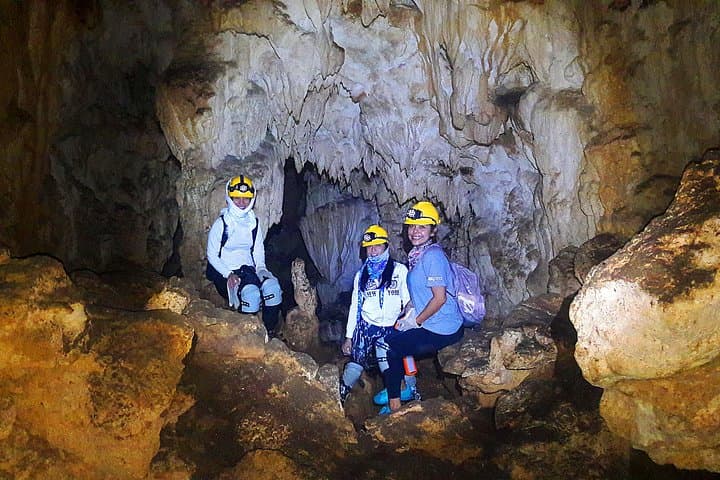
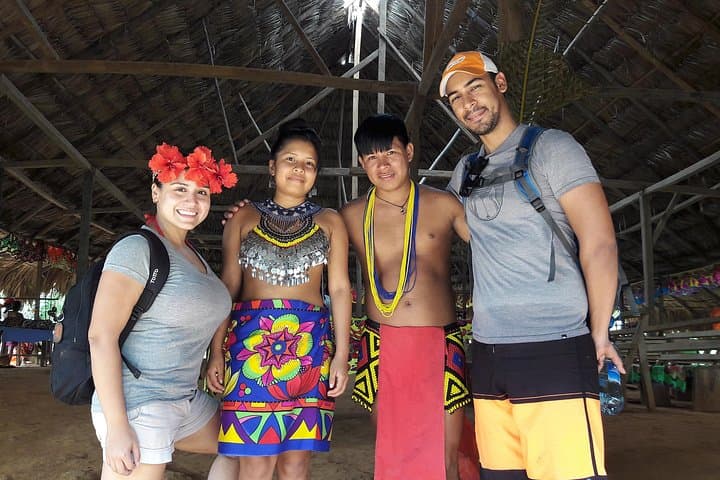
The Chagres region has long been a conduit: indigenous communities like the Embera have lived along these waterways for centuries, and the river later fed trade routes that shaped Panama’s colonial and canal-era history. Geologically, the caves cut into limestone and alluvial deposits; inside you’ll find cool, damp passages and calcite-smoothed rock formed by persistent flow. The Embera village visit brings a clear cultural counterpoint — traditional houseboats, painted body art, and songs that explain how people read the forest.
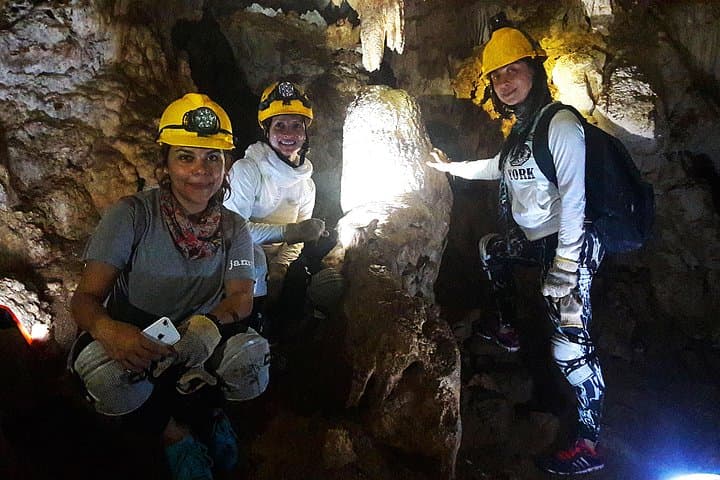
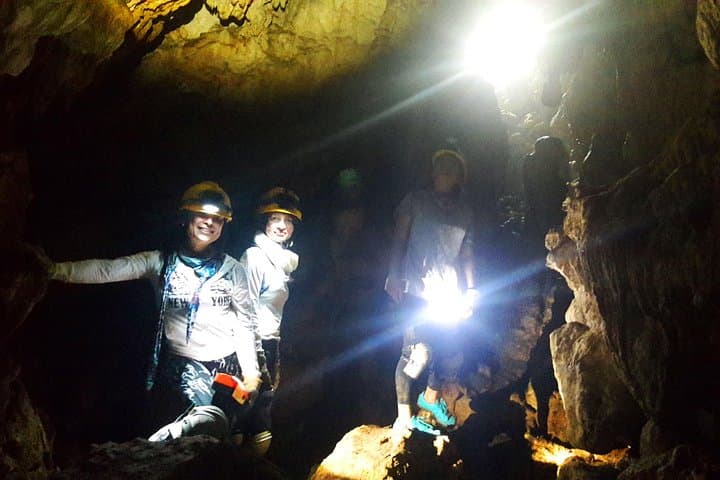
Expect a full-day outing: a drive from Panama City, an outboard motor ride up the Chagres, cave exploration that involves scrambling and wet rock, and a guided cultural exchange with the Embera. Trails are uneven; the cave and river margins are slippery after rain. The guides balance storytelling with practical instruction — how to move in the cave, when to stay low, and where to keep gear dry.
Practical notes: wear closed, treaded shoes, bring a dry bag and at least 2 liters of water, and plan for insects and sun between canopy gaps. Timing matters — mornings are cooler and river conditions are calmer. Respect the village: photograph only with permission and follow guide directions for any interactions.
Most tours include pickup from Panama City hotels; confirm your pickup point and time when booking and expect a 45–90 minute transfer depending on traffic.
Infants must sit on an adult’s lap for boat segments; the activity is best suited to older children comfortable with boats and uneven terrain.
The cave includes damp, slippery sections and low passages but no technical climbing; participants should be steady on their feet and follow guides’ instructions.
Ask before taking photos, avoid giving candy or money directly to children without guidance, and follow the guide’s lead for any participation in dances or rituals.
Panama Outdoors operates guided outdoor trips and adventures with an emphasis on safety, stewardship, and memorable experiences.
You step off the dusty riverbank and the Chagres River immediately claims your attention — a broad, slow current that seems to push the rainforest inward. The boat ride from the highway through mangled roots and towering trees sets the tone: this is not a postcard view, it’s an active landscape where water, stone and culture meet.
You step off the dusty riverbank and the Chagres River immediately claims your attention — a broad, slow current that seems to push the rainforest inward. The boat ride from the highway through mangled roots and towering trees sets the tone: this is not a postcard view, it’s an active landscape where water, stone and culture meet.
The Chagres region has long been a conduit: indigenous communities like the Embera have lived along these waterways for centuries, and the river later fed trade routes that shaped Panama’s colonial and canal-era history. Geologically, the caves cut into limestone and alluvial deposits; inside you’ll find cool, damp passages and calcite-smoothed rock formed by persistent flow. The Embera village visit brings a clear cultural counterpoint — traditional houseboats, painted body art, and songs that explain how people read the forest.
Expect a full-day outing: a drive from Panama City, an outboard motor ride up the Chagres, cave exploration that involves scrambling and wet rock, and a guided cultural exchange with the Embera. Trails are uneven; the cave and river margins are slippery after rain. The guides balance storytelling with practical instruction — how to move in the cave, when to stay low, and where to keep gear dry.
Practical notes: wear closed, treaded shoes, bring a dry bag and at least 2 liters of water, and plan for insects and sun between canopy gaps. Timing matters — mornings are cooler and river conditions are calmer. Respect the village: photograph only with permission and follow guide directions for any interactions.