THE ADVENTURE COLLECTIVE® · Independent discovery and booking for outdoor travel

Explore Chake Chake’s market, Old Fort and mangrove-sliced bay on a focused three-hour tour that combines local culture, coastal ecology and island history. Morning departures catch the market at peak activity and the best light for photos.
Explore Chake Chake’s market, Old Fort and mangrove-sliced bay on a focused three-hour tour that combines local culture, coastal ecology and island history. Morning departures catch the market at peak activity and the best light for photos.
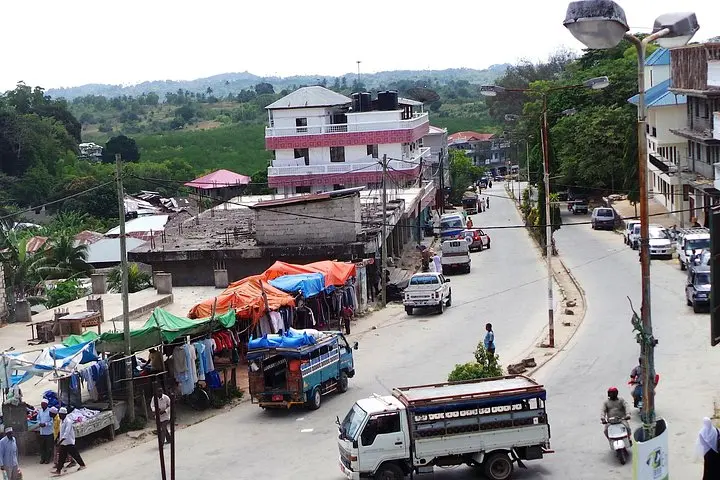
A narrow lane opens onto a ridge; below, Chake Chake Bay breathes with the tide and the mangroves push outward like a green tide line. The city tour moves through this compact, slightly scruffy center—market stalls heavy with cloves and tropical fruit, an English garden that still remembers colonial planting schemes, and a low fort watching the harbor where dhows wait for the water to allow them in.
Verified experiences and guided adventures in the surrounding area.
Operated by Safanta Tours & Travel Company Limited · Chake Chake, Pemba
A narrow lane opens onto a ridge; below, Chake Chake Bay breathes with the tide and the mangroves push outward like a green tide line. The city tour moves through this compact, slightly scruffy center—market stalls heavy with cloves and tropical fruit, an English garden that still remembers colonial planting schemes, and a low fort watching the harbor where dhows wait for the water to allow them in.
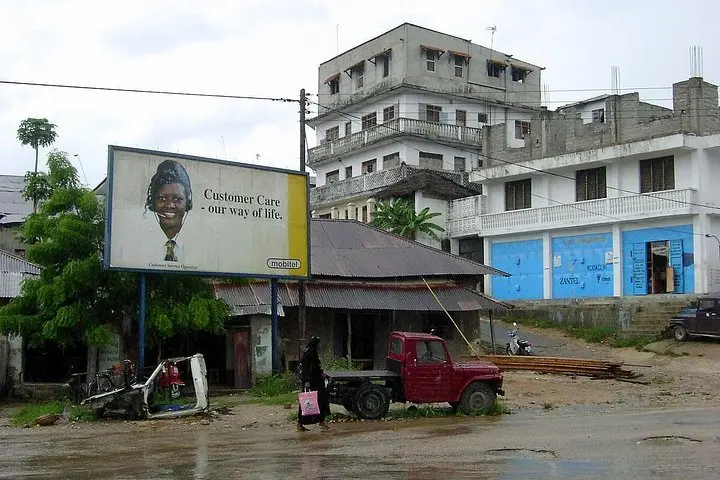
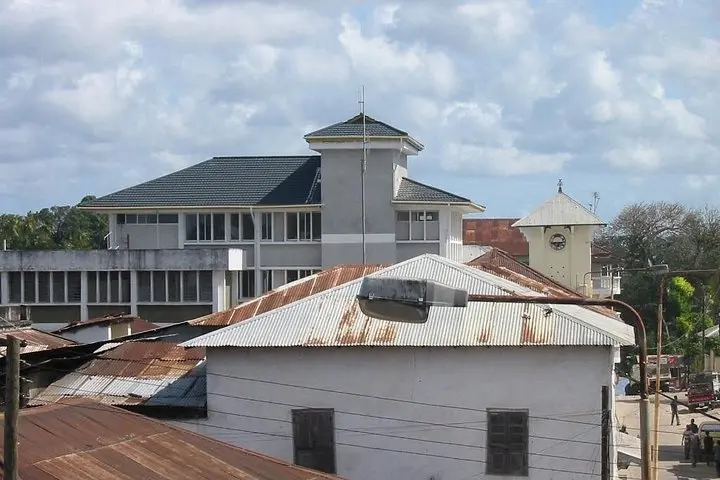
Pemba’s story is visible in stone and salt: Swahili trade routes, Omani influence and colonial maps all left traces here. Geologically, the island is raised coral, and the shoreline near Chake Chake is shaped by fringing reefs and mudflats that feed rich mangrove systems. Culturally the town functions as Pemba’s administrative hub — banks, post office and a busy market opened in 1904 — where multiple dialects and coastal Kiswahili inform daily life.
The tour typically visits the market, Old Fort, the English garden, an old slave port site and the fish market, offering close-up encounters with everyday Pemba: bargaining, fish gutted on stone slabs, and the scent of spices drying in the sun. Guides explain local history and point out ecological features of the bay.
Practical notes: the walk is moderate and mostly on paved or packed earth; bring sun protection, insect repellent and small denominations of cash for purchases. Morning departures catch the market at its liveliest and cooler hours; tides determine the best harbor views, so timing matters if you want to watch dhows maneuver in or out. Accessibility-friendly transport and bottled water are usually provided, but expect uneven surfaces at some stops.
Yes—private pickup and drop-off from hotels on Pemba Island are typically included in the tour price.
Transport and many sites are described as wheelchair accessible, but some market areas and historic sites have uneven ground—confirm specifics with the operator ahead of time.
Expect a moderate amount of walking across town streets, market alleys and short paths at historical sites; the tour is rated easy for most travelers.
Yes—Chake Chake market sells fresh produce, spices and local snacks; bring cash and be prepared to bargain politely.
Safanta Tours & Travel Company Limited operates guided outdoor trips and adventures with an emphasis on safety, stewardship, and memorable experiences.

A narrow lane opens onto a ridge; below, Chake Chake Bay breathes with the tide and the mangroves push outward like a green tide line. The city tour moves through this compact, slightly scruffy center—market stalls heavy with cloves and tropical fruit, an English garden that still remembers colonial planting schemes, and a low fort watching the harbor where dhows wait for the water to allow them in.
A narrow lane opens onto a ridge; below, Chake Chake Bay breathes with the tide and the mangroves push outward like a green tide line. The city tour moves through this compact, slightly scruffy center—market stalls heavy with cloves and tropical fruit, an English garden that still remembers colonial planting schemes, and a low fort watching the harbor where dhows wait for the water to allow them in.
Pemba’s story is visible in stone and salt: Swahili trade routes, Omani influence and colonial maps all left traces here. Geologically, the island is raised coral, and the shoreline near Chake Chake is shaped by fringing reefs and mudflats that feed rich mangrove systems. Culturally the town functions as Pemba’s administrative hub — banks, post office and a busy market opened in 1904 — where multiple dialects and coastal Kiswahili inform daily life.
The tour typically visits the market, Old Fort, the English garden, an old slave port site and the fish market, offering close-up encounters with everyday Pemba: bargaining, fish gutted on stone slabs, and the scent of spices drying in the sun. Guides explain local history and point out ecological features of the bay.
Practical notes: the walk is moderate and mostly on paved or packed earth; bring sun protection, insect repellent and small denominations of cash for purchases. Morning departures catch the market at its liveliest and cooler hours; tides determine the best harbor views, so timing matters if you want to watch dhows maneuver in or out. Accessibility-friendly transport and bottled water are usually provided, but expect uneven surfaces at some stops.