THE ADVENTURE COLLECTIVE® · Independent discovery and booking for outdoor travel

Three days of continuous grade 3–4+ whitewater through one of the world’s deepest gorges, with river camps, Himalayan views and expert guides. Read on for what to expect, safety notes, and packing tips for the Kali Gandaki descent.
Three days of continuous grade 3–4+ whitewater through one of the world’s deepest gorges, with river camps, Himalayan views and expert guides. Read on for what to expect, safety notes, and packing tips for the Kali Gandaki descent.
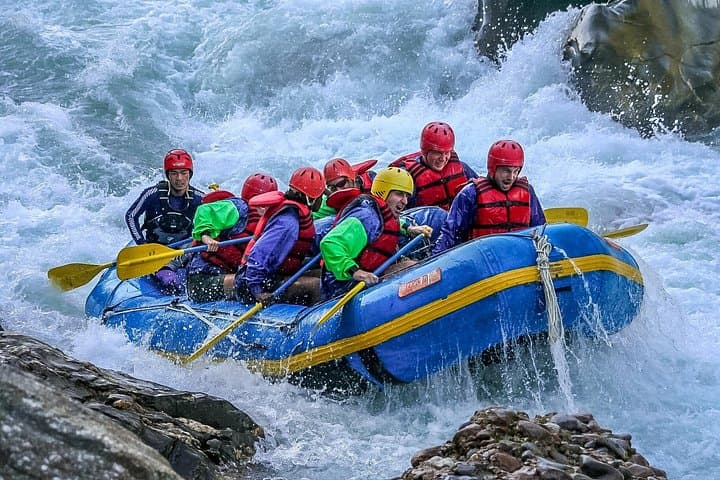
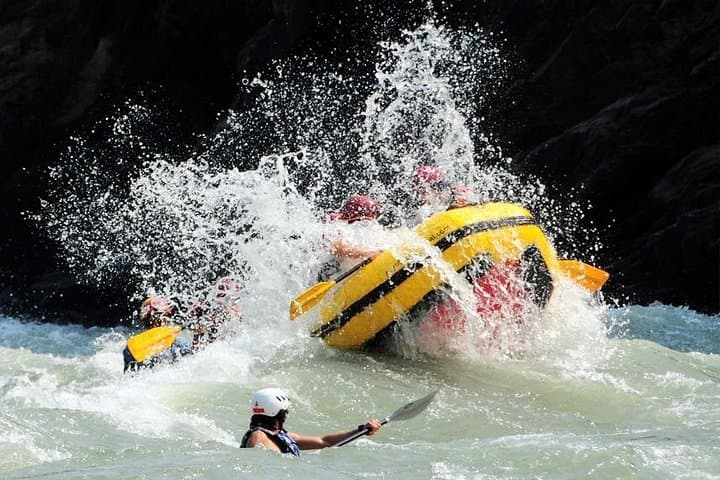
The raft drops into blue-green water and the canyon closes like a gate — cliffs rise, eagles wheel above, and the current begins to push you into a sequence of grade 3–4+ rapids. Over three days on the Kali Gandaki you paddle through named hydraulics — 'Small Brother,' 'Big Brother,' 'Rafter’s Refund' and the infamous 'Mike’s Nightmare' — each demanding quick strokes and steady nerves.
Verified experiences and guided adventures in the surrounding area.
Operated by AM Travels and Tours · Baglung, Gandaki Province
The raft drops into blue-green water and the canyon closes like a gate — cliffs rise, eagles wheel above, and the current begins to push you into a sequence of grade 3–4+ rapids. Over three days on the Kali Gandaki you paddle through named hydraulics — 'Small Brother,' 'Big Brother,' 'Rafter’s Refund' and the infamous 'Mike’s Nightmare' — each demanding quick strokes and steady nerves.
This river carved one of the world’s deepest gorges between the Annapurna and Dhaulagiri massifs; the sandstone cliffs and terraced slopes you pass reflect millennia of uplift and seasonal monsoon sculpting. Villages such as Seti Beni and riverside ghats give a window into rural Nepali life: stone lanes, simple temples, and children who will shout hello as you float by. The route follows traditional trade and pilgrimage corridors where the river’s confluence points hold local cultural significance.
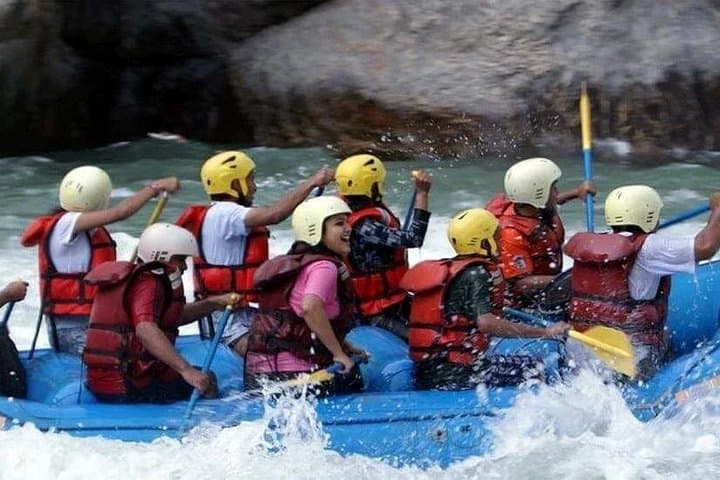
Expect continuous whitewater with long wave trains, occasional eddy turns, and camps on riverside terraces under starry Himalayan nights. Guides give technical briefings and manage safety; strong swimmers and fit paddlers will get the most out of the trip.
Practical pointers: bring a secure river kit and footwear, hydrate before and between runs, and plan for early monsoon season flows that alter difficulty. Transport to the put-in is by road from Pokhara; the final day finishes with a scenic bus return. For adventurous paddlers, this three-day descent is a compact, high-adrenaline way to experience dramatic geology, living village culture, and world-class whitewater.
Participants should have a high level of fitness and be comfortable with sustained paddling, carrying gear to camps, and self-rescue in moving water.
Guides provide instruction, but prior whitewater experience improves safety and enjoyment on continuous grade 3–4+ rapids.
Monsoon season raises flows and can increase rapid difficulty; operators may adjust timing for safety but high flows can still be run by experienced groups.
Yes — hot meals, twin-share tents, mattresses, and communal cooking equipment are provided as part of the itinerary.
AM Travels and Tours operates guided outdoor trips and adventures with an emphasis on safety, stewardship, and memorable experiences.
The raft drops into blue-green water and the canyon closes like a gate — cliffs rise, eagles wheel above, and the current begins to push you into a sequence of grade 3–4+ rapids. Over three days on the Kali Gandaki you paddle through named hydraulics — 'Small Brother,' 'Big Brother,' 'Rafter’s Refund' and the infamous 'Mike’s Nightmare' — each demanding quick strokes and steady nerves.
The raft drops into blue-green water and the canyon closes like a gate — cliffs rise, eagles wheel above, and the current begins to push you into a sequence of grade 3–4+ rapids. Over three days on the Kali Gandaki you paddle through named hydraulics — 'Small Brother,' 'Big Brother,' 'Rafter’s Refund' and the infamous 'Mike’s Nightmare' — each demanding quick strokes and steady nerves.
This river carved one of the world’s deepest gorges between the Annapurna and Dhaulagiri massifs; the sandstone cliffs and terraced slopes you pass reflect millennia of uplift and seasonal monsoon sculpting. Villages such as Seti Beni and riverside ghats give a window into rural Nepali life: stone lanes, simple temples, and children who will shout hello as you float by. The route follows traditional trade and pilgrimage corridors where the river’s confluence points hold local cultural significance.
Expect continuous whitewater with long wave trains, occasional eddy turns, and camps on riverside terraces under starry Himalayan nights. Guides give technical briefings and manage safety; strong swimmers and fit paddlers will get the most out of the trip.
Practical pointers: bring a secure river kit and footwear, hydrate before and between runs, and plan for early monsoon season flows that alter difficulty. Transport to the put-in is by road from Pokhara; the final day finishes with a scenic bus return. For adventurous paddlers, this three-day descent is a compact, high-adrenaline way to experience dramatic geology, living village culture, and world-class whitewater.