THE ADVENTURE COLLECTIVE® · Independent discovery and booking for outdoor travel

Spend a half day from Hoi An exploring Cu Lao Cham: snorkel coral gardens, visit Hai Tang Pagoda and a Champa well, and experience island market life. This private tour combines short hikes, boat time, and guided snorkeling in a UNESCO Biosphere Reserve.
Spend a half day from Hoi An exploring Cu Lao Cham: snorkel coral gardens, visit Hai Tang Pagoda and a Champa well, and experience island market life. This private tour combines short hikes, boat time, and guided snorkeling in a UNESCO Biosphere Reserve.
The morning light lifts off the South China Sea and the speedboat cuts a clean line toward the Cham Islands, where limestone knolls and coral gardens rise from turquoise water. On arrival the air is salt-bright, fishermen mend nets, and the shoreline of Hon Lao (the main island) frames a day that moves between reef and village.
Verified experiences and guided adventures in the surrounding area.
Operated by Emic Travel Hoi An · Hoi An, Quang Nam
The morning light lifts off the South China Sea and the speedboat cuts a clean line toward the Cham Islands, where limestone knolls and coral gardens rise from turquoise water. On arrival the air is salt-bright, fishermen mend nets, and the shoreline of Hon Lao (the main island) frames a day that moves between reef and village.
Cu Lao Cham is a UNESCO Biosphere Reserve with a layered history: Cham maritime traders used these islets as waypoints during the port-city boom of Hoi An; later, local communities shaped the islands’ fishing and boatbuilding culture. Geologically the archipelago is a scattering of volcanic conglomerates and reef terraces—clear water reveals coral bommies and patchy seagrass between shallow drop-offs.
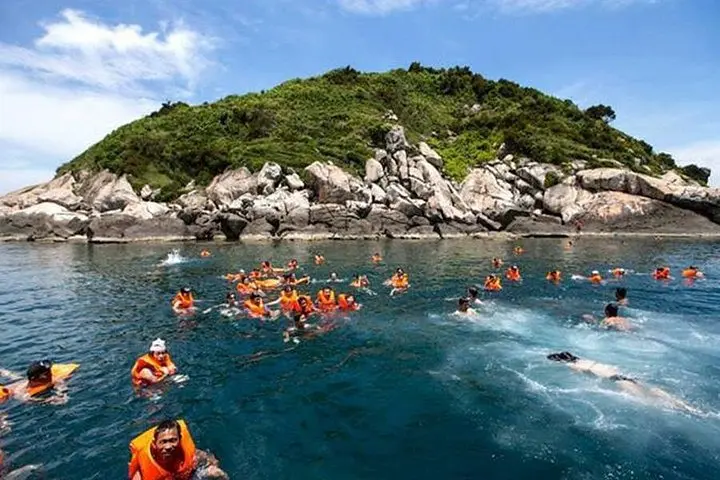
A typical half-day tour blends short coastal hikes to sites like Hai Tang Pagoda and the Champa ancient well, a walk through the small local market, and guided snorkeling over shallow reefs. You’ll see household life up close: wooden stilt houses, salt pans, and boats returning with morning catch. Guides explain reef types and conservation efforts as much of the day is spent in fragile marine habitat.
Practical notes: expect 5–6 hours total, moderate boat rides, and easy walking on uneven village paths and rocky shorelines. Bring reef-safe sunscreen, a hat, and footwear that grips wet surfaces. Snorkel equipment is often provided, but if you prefer your own mask pick one that seals well. Plan trips in the dry months (February–August) for calmer seas; monsoon season brings stronger currents and reduced visibility. This outing is part nature, part culture—compact, active, and well suited to travelers who want a concentrated taste of Hoi An’s maritime past and marine life.
Most operators include hotel pickup in Hoi An or meet at Cua Dai harbor; confirm your exact pickup point and time with the provider when booking.
No—basic snorkeling guidance is provided and shallow reef areas are accessible, but you should be comfortable in open water and able to float or swim a short distance.
Children are generally welcome with supervision; this operator notes the tour is not recommended for pregnant travelers—confirm age minimums with the company.
Operators typically follow safety guidelines and may reschedule or refund if conditions are unsafe; check cancellation terms—this tour allows refund if canceled more than 24 hours in advance.
Emic Travel Hoi An operates guided outdoor trips and adventures with an emphasis on safety, stewardship, and memorable experiences.
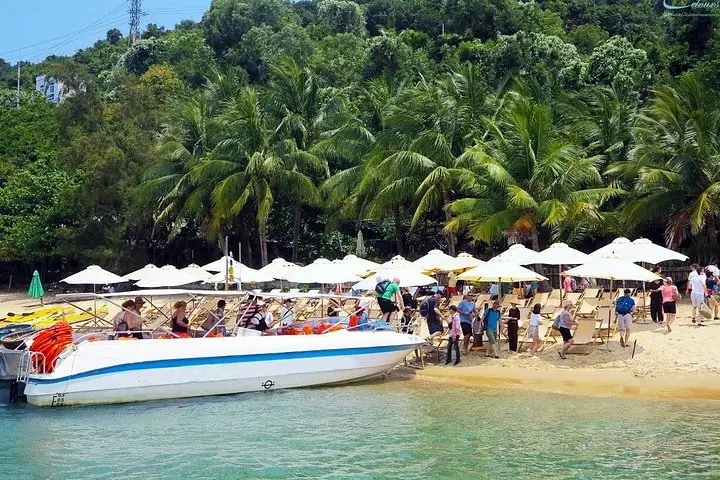
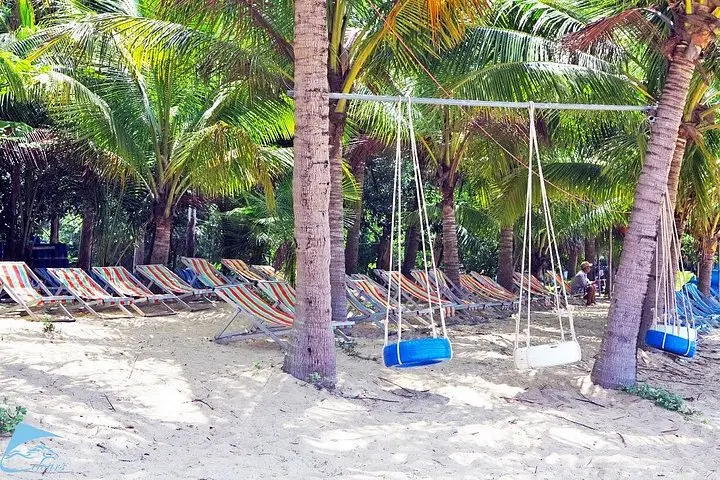
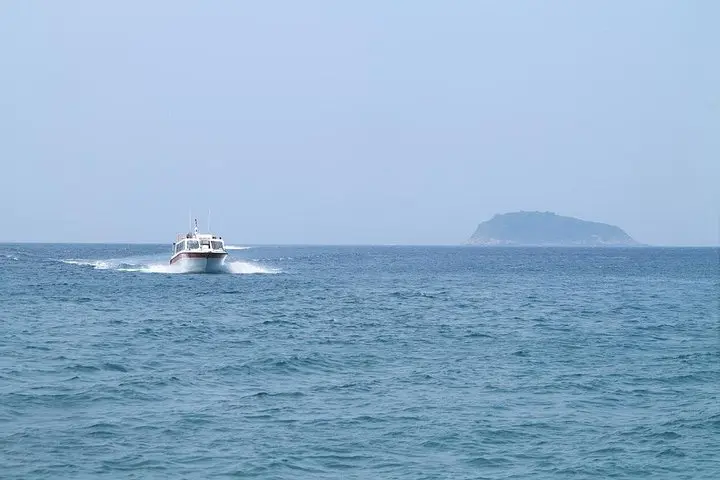
The morning light lifts off the South China Sea and the speedboat cuts a clean line toward the Cham Islands, where limestone knolls and coral gardens rise from turquoise water. On arrival the air is salt-bright, fishermen mend nets, and the shoreline of Hon Lao (the main island) frames a day that moves between reef and village.
The morning light lifts off the South China Sea and the speedboat cuts a clean line toward the Cham Islands, where limestone knolls and coral gardens rise from turquoise water. On arrival the air is salt-bright, fishermen mend nets, and the shoreline of Hon Lao (the main island) frames a day that moves between reef and village.
Cu Lao Cham is a UNESCO Biosphere Reserve with a layered history: Cham maritime traders used these islets as waypoints during the port-city boom of Hoi An; later, local communities shaped the islands’ fishing and boatbuilding culture. Geologically the archipelago is a scattering of volcanic conglomerates and reef terraces—clear water reveals coral bommies and patchy seagrass between shallow drop-offs.
A typical half-day tour blends short coastal hikes to sites like Hai Tang Pagoda and the Champa ancient well, a walk through the small local market, and guided snorkeling over shallow reefs. You’ll see household life up close: wooden stilt houses, salt pans, and boats returning with morning catch. Guides explain reef types and conservation efforts as much of the day is spent in fragile marine habitat.
Practical notes: expect 5–6 hours total, moderate boat rides, and easy walking on uneven village paths and rocky shorelines. Bring reef-safe sunscreen, a hat, and footwear that grips wet surfaces. Snorkel equipment is often provided, but if you prefer your own mask pick one that seals well. Plan trips in the dry months (February–August) for calmer seas; monsoon season brings stronger currents and reduced visibility. This outing is part nature, part culture—compact, active, and well suited to travelers who want a concentrated taste of Hoi An’s maritime past and marine life.