THE ADVENTURE COLLECTIVE® · Independent discovery and booking for outdoor travel

Cross from Hoi An to the Cu Lao Cham marine reserve for a half-day of guided snorkeling, island lunch and coastal scenery. Expect boat transfers, coral gardens, and easy to moderate water conditions suited to most travelers.
Cross from Hoi An to the Cu Lao Cham marine reserve for a half-day of guided snorkeling, island lunch and coastal scenery. Expect boat transfers, coral gardens, and easy to moderate water conditions suited to most travelers.
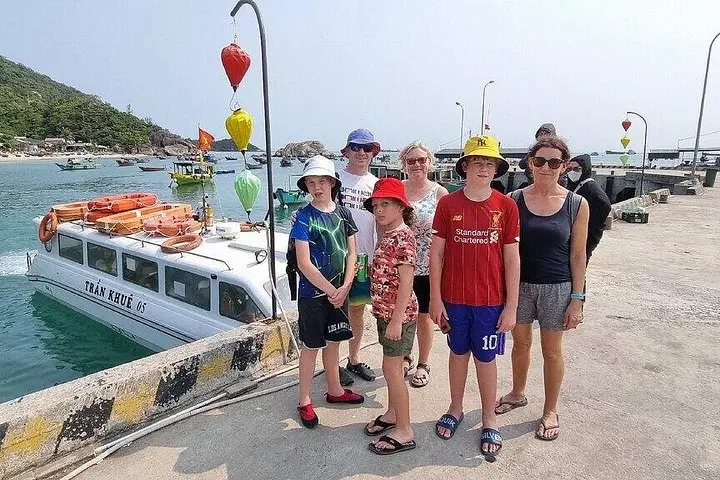
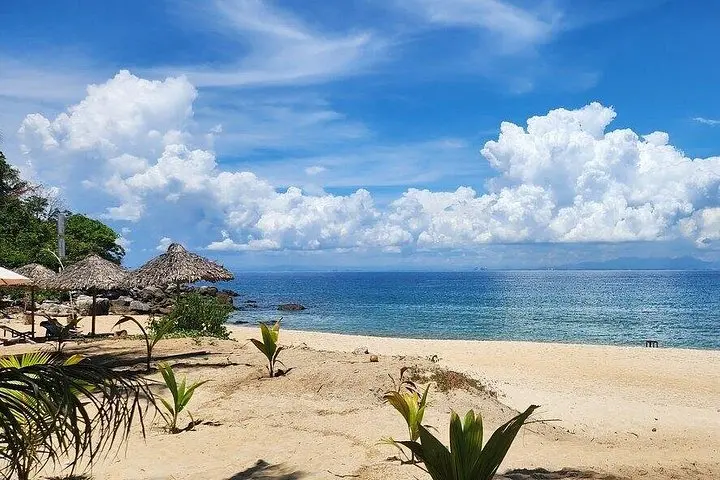
The launch from Cua Dai port feels purposeful: the boat hums, the sea opens, and the light on the water dares you to look deeper. Within thirty to forty minutes you cross to Cù Lao Chàm (Cham Islands), an archipelago of eight islands whose limestone shoulders rise from clear, warm water. On arrival the island's forested ridges and the village roofs create a quiet contrast to the bright reef below.
Verified experiences and guided adventures in the surrounding area.
Operated by LOCAL TOURS VIETNAM · Hoi An, Quang Nam
The launch from Cua Dai port feels purposeful: the boat hums, the sea opens, and the light on the water dares you to look deeper. Within thirty to forty minutes you cross to Cù Lao Chàm (Cham Islands), an archipelago of eight islands whose limestone shoulders rise from clear, warm water. On arrival the island's forested ridges and the village roofs create a quiet contrast to the bright reef below.
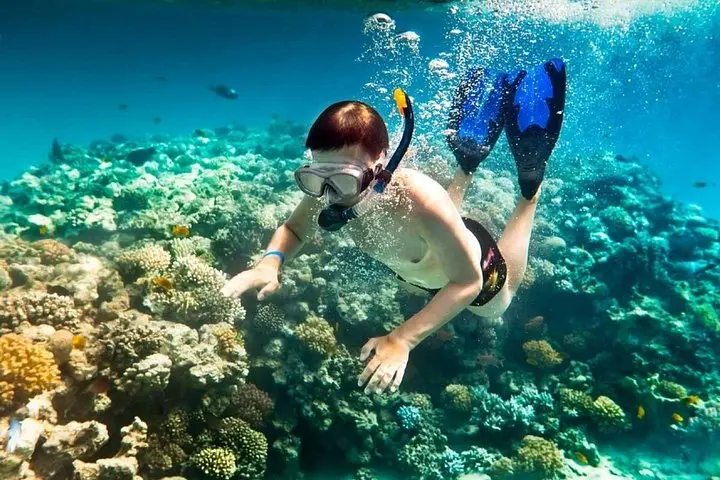
Cù Lao Chàm is part of the Cu Lao Cham–Hoi An Biosphere Reserve, recognized for its coastal forests, freshwater springs and coral gardens. The islands' geology is coastal volcanic and sedimentary rock uplifted and eroded into bays and headlands; the result is shallow reefs and sheltered snorkeling lagoons that hold parrotfish, butterflyfish and, seasonally, hawksbill turtles.
Culturally, the islands are still home to small fishing communities; you'll see traditional nets, simple pagodas and island gardens. Hai Tang Pagoda on the mainland route is a common stop on this circuit.
Practically: expect a 5–6 hour excursion with hotel pickup from Hoi An or Da Nang, boat transfers, a guided snorkel with equipment, and lunch on the island. Water can be choppy—sit low and steady on the boat and rinse gear after use. Respect the marine reserve: do not touch corals, avoid walking on reefs, and pack out plastics. Mid-morning or late afternoon trips reduce the heat and bring calmer seas. Basic swimming and a short snorkel orientation are usually provided, making this a feasible half-day ocean escape for active travelers seeking easy access to healthy reef systems.
Typical transfers take about 30–40 minutes each way, depending on sea conditions and the vessel used.
Non-swimmers can enjoy the island and shallow beaches, but snorkeling sections require basic swimming ability and comfort in open water.
Yes—healthy reef areas commonly host reef fish and occasionally sea turtles; sightings aren’t guaranteed but are frequent in protected spots.
Most day trips include lunch and snorkel equipment; confirm dietary needs at booking and carry any specialty items you require.
LOCAL TOURS VIETNAM operates guided outdoor trips and adventures with an emphasis on safety, stewardship, and memorable experiences.

The launch from Cua Dai port feels purposeful: the boat hums, the sea opens, and the light on the water dares you to look deeper. Within thirty to forty minutes you cross to Cù Lao Chàm (Cham Islands), an archipelago of eight islands whose limestone shoulders rise from clear, warm water. On arrival the island's forested ridges and the village roofs create a quiet contrast to the bright reef below.
The launch from Cua Dai port feels purposeful: the boat hums, the sea opens, and the light on the water dares you to look deeper. Within thirty to forty minutes you cross to Cù Lao Chàm (Cham Islands), an archipelago of eight islands whose limestone shoulders rise from clear, warm water. On arrival the island's forested ridges and the village roofs create a quiet contrast to the bright reef below.
Cù Lao Chàm is part of the Cu Lao Cham–Hoi An Biosphere Reserve, recognized for its coastal forests, freshwater springs and coral gardens. The islands' geology is coastal volcanic and sedimentary rock uplifted and eroded into bays and headlands; the result is shallow reefs and sheltered snorkeling lagoons that hold parrotfish, butterflyfish and, seasonally, hawksbill turtles.
Culturally, the islands are still home to small fishing communities; you'll see traditional nets, simple pagodas and island gardens. Hai Tang Pagoda on the mainland route is a common stop on this circuit.
Practically: expect a 5–6 hour excursion with hotel pickup from Hoi An or Da Nang, boat transfers, a guided snorkel with equipment, and lunch on the island. Water can be choppy—sit low and steady on the boat and rinse gear after use. Respect the marine reserve: do not touch corals, avoid walking on reefs, and pack out plastics. Mid-morning or late afternoon trips reduce the heat and bring calmer seas. Basic swimming and a short snorkel orientation are usually provided, making this a feasible half-day ocean escape for active travelers seeking easy access to healthy reef systems.