THE ADVENTURE COLLECTIVE® · Independent discovery and booking for outdoor travel

Take a one-day speedboat trip from Hoi An to Cu Lao Cham for guided snorkeling, beachside lunch and short cultural stops. Ideal for first-time snorkelers and anyone wanting calm reefs and quick access to island life.
Take a one-day speedboat trip from Hoi An to Cu Lao Cham for guided snorkeling, beachside lunch and short cultural stops. Ideal for first-time snorkelers and anyone wanting calm reefs and quick access to island life.
A speedboat slices through aquamarine water and the Cham Islands resolve from a smear on the horizon into granite outcrops and white-sand bays. By midmorning the sea is a patchwork of reef and current, and snorkelers drift over hard corals while gulls map the breeze.
Verified experiences and guided adventures in the surrounding area.
Operated by Hoi An Locals Travel Transport · Hoi An, Quang Nam Province
A speedboat slices through aquamarine water and the Cham Islands resolve from a smear on the horizon into granite outcrops and white-sand bays. By midmorning the sea is a patchwork of reef and current, and snorkelers drift over hard corals while gulls map the breeze.
Cu Lao Cham sits about 15 km off Hoi An and carries layers of history: Sa Huynh pottery shards, traces of Champa trade and fishermen’s villages that date back centuries. Geologically the archipelago is granite bedrock rising sharply from the continental shelf, creating shallow reef gardens around sheltered coves and deeper drop-offs where pelagic visitors sometimes pass. The islands are part of the Cu Lao Cham–Hoi An Biosphere Reserve, and local life still orients around fishing, boatbuilding and seasonal tourism.
On this group day trip expect a mix of boat transit, a guided shoreline walk through Bai Lang village, and two reef snorkeling stops near Bai Xep and Bai Chong. Lunch is often fresh seafood served on the beach. The water rewards basic snorkel competency — mask fit, slow surface breathing and fin control — and the reefs are best in calm seas.
Practical tips: leave early to avoid afternoon chop, bring reef-safe sunscreen and a lightweight towel, and budget time to explore the village and pagoda on shore. Respect marked no-take zones and local guides; they balance visitor access with reef recovery. For most travelers this is an accessible, high-value day on Vietnam’s central coast.
The speedboat crossing takes roughly 25–40 minutes depending on departure quay and sea conditions.
Most operators include masks, snorkels and fins, but bringing your own mask ensures a better fit and comfort.
Yes — life vests are provided and snorkel areas are generally shallow, but participants should be comfortable in open water and follow the guide’s instructions.
Basic facilities and simple seafood lunches are available at beachside spots; bring cash for small purchases and snacks not included in the tour.
Hoi An Locals Travel Transport operates guided outdoor trips and adventures with an emphasis on safety, stewardship, and memorable experiences.
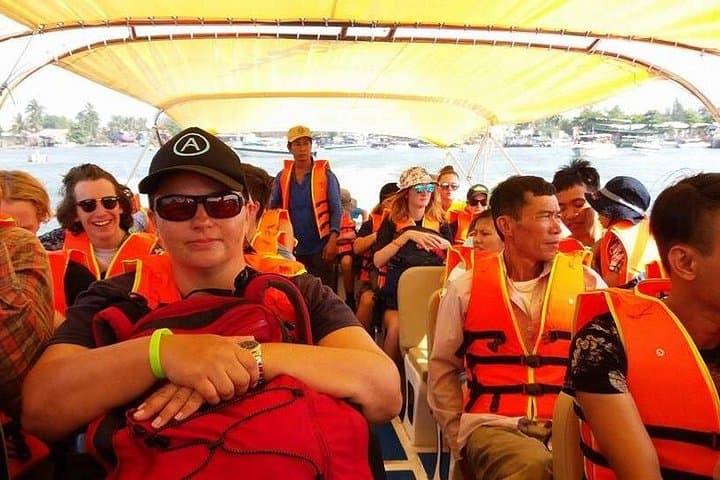
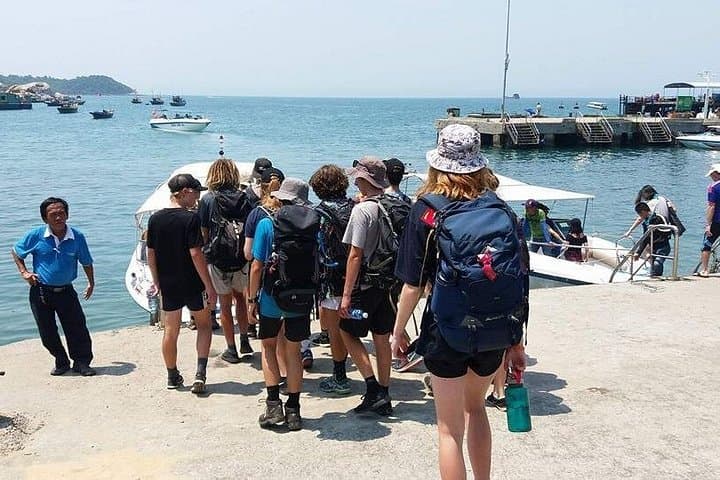
A speedboat slices through aquamarine water and the Cham Islands resolve from a smear on the horizon into granite outcrops and white-sand bays. By midmorning the sea is a patchwork of reef and current, and snorkelers drift over hard corals while gulls map the breeze.
A speedboat slices through aquamarine water and the Cham Islands resolve from a smear on the horizon into granite outcrops and white-sand bays. By midmorning the sea is a patchwork of reef and current, and snorkelers drift over hard corals while gulls map the breeze.
Cu Lao Cham sits about 15 km off Hoi An and carries layers of history: Sa Huynh pottery shards, traces of Champa trade and fishermen’s villages that date back centuries. Geologically the archipelago is granite bedrock rising sharply from the continental shelf, creating shallow reef gardens around sheltered coves and deeper drop-offs where pelagic visitors sometimes pass. The islands are part of the Cu Lao Cham–Hoi An Biosphere Reserve, and local life still orients around fishing, boatbuilding and seasonal tourism.
On this group day trip expect a mix of boat transit, a guided shoreline walk through Bai Lang village, and two reef snorkeling stops near Bai Xep and Bai Chong. Lunch is often fresh seafood served on the beach. The water rewards basic snorkel competency — mask fit, slow surface breathing and fin control — and the reefs are best in calm seas.
Practical tips: leave early to avoid afternoon chop, bring reef-safe sunscreen and a lightweight towel, and budget time to explore the village and pagoda on shore. Respect marked no-take zones and local guides; they balance visitor access with reef recovery. For most travelers this is an accessible, high-value day on Vietnam’s central coast.