THE ADVENTURE COLLECTIVE® · Independent discovery and booking for outdoor travel

A half-day island-hopping tour from Hoi An that pairs speedboat crossings with guided cultural stops, beach time and snorkeling over coral gardens. Ideal for travelers who want easy coastal adventure and a bite of local island life.
A half-day island-hopping tour from Hoi An that pairs speedboat crossings with guided cultural stops, beach time and snorkeling over coral gardens. Ideal for travelers who want easy coastal adventure and a bite of local island life.
You step off a low-speedboat and the sea seems to push you onto shore: water that’s cool and transparent, a white-sand fringe and palms shading a small village where fishermen mend nets.
Verified experiences and guided adventures in the surrounding area.
Operated by DN Tour · Hoi An, Quang Nam
You step off a low-speedboat and the sea seems to push you onto shore: water that’s cool and transparent, a white-sand fringe and palms shading a small village where fishermen mend nets.
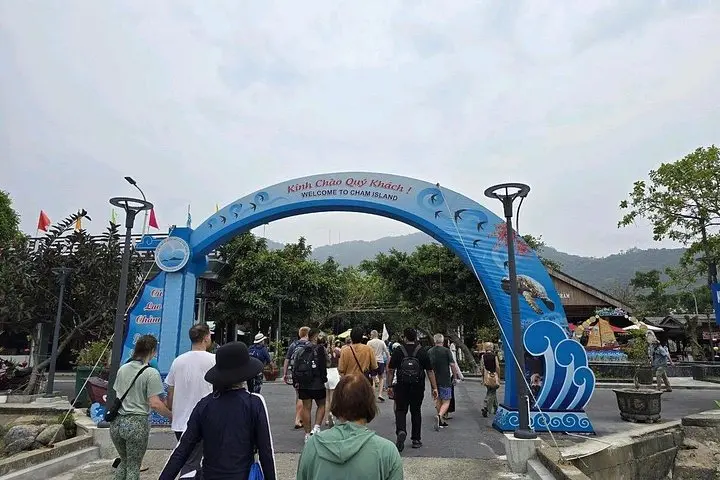
The Cham Islands (Cù Lao Chàm) sit a short run offshore from Hoi An and have long been a fishing and trading outpost. Geologically the islands are limestone outcrops with rocky headlands, sandy coves and coral gardens in the shallows; culturally they carry traces of the Champa people, visible in wells, small pagodas and market life on the main island.
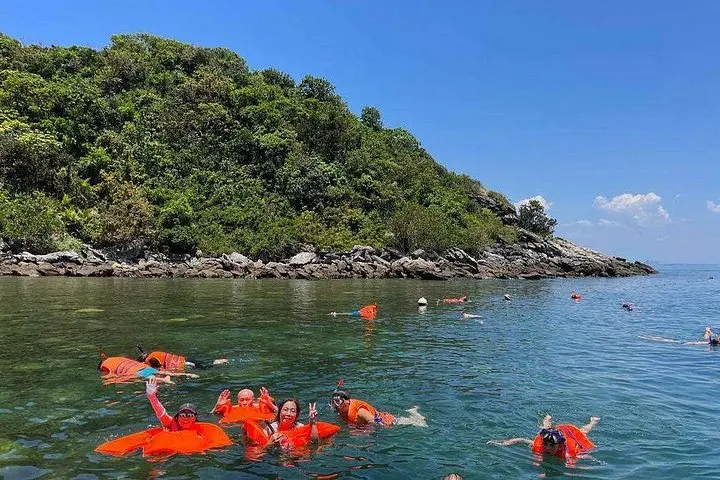
A typical shared tour combines an hour-long speedboat crossing, a guided walk to the Champa Ancient Well and Hai Tang Pagoda, time in the local market, and a snorkel stop at Bãi Xếp or Hòn Tai among branching corals. Expect short, mostly flat walks between sites, clear swimming cays where colorful fish inspect your mask, and a simple local lunch served on the island.
Practical guidance: bring reef-safe sunscreen, a personal snorkel if you prefer a better fit, a lightweight towel and water shoes for walking on rock and sand. Morning departures are cooler and offer calmer seas; check tides if you’re prone to seasickness. The tour is accessible to most fitness levels but not recommended for travelers with spinal issues. Respect local fishing areas, avoid touching corals, and carry out any trash—these reefs are fragile but recoverable with low-impact visits.
The speedboat crossing is about 30–45 minutes one way depending on sea conditions and departure point.
Basic snorkeling gear is typically provided, but many travelers bring their own mask and snorkel for fit and comfort.
Yes—tours accommodate families; non-swimmers can snorkel in shallow areas with a life jacket, but check with the operator about age limits.
This shared tour includes a local island lunch and hotel pickup/drop-off in Da Nang; confirm pickup location when booking.
DN Tour operates guided outdoor trips and adventures with an emphasis on safety, stewardship, and memorable experiences.
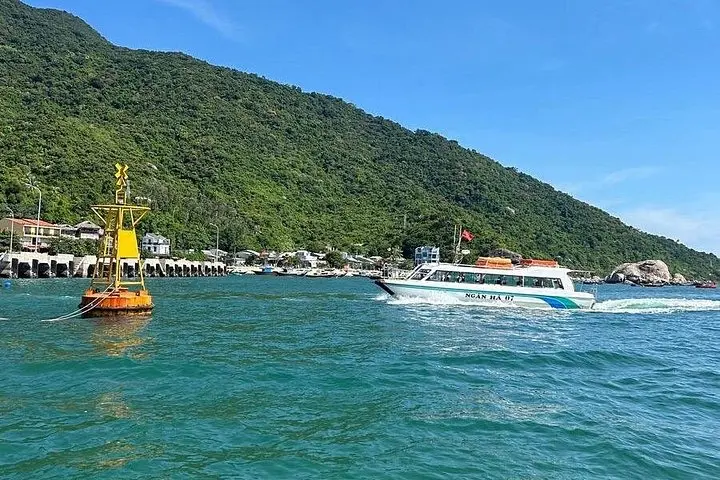
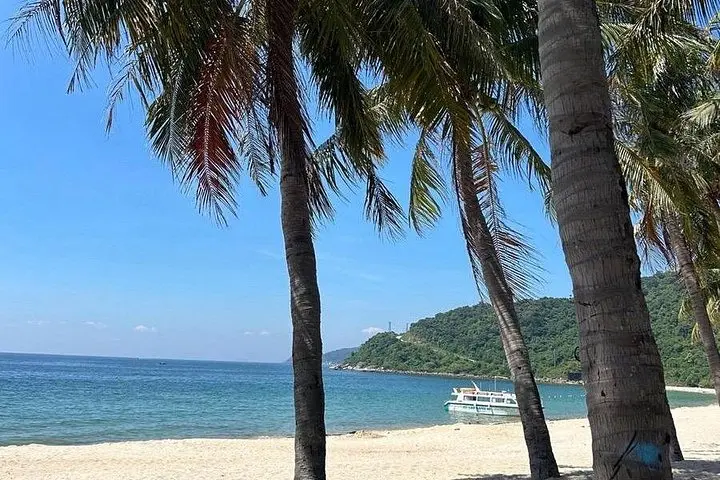
You step off a low-speedboat and the sea seems to push you onto shore: water that’s cool and transparent, a white-sand fringe and palms shading a small village where fishermen mend nets.
You step off a low-speedboat and the sea seems to push you onto shore: water that’s cool and transparent, a white-sand fringe and palms shading a small village where fishermen mend nets.
The Cham Islands (Cù Lao Chàm) sit a short run offshore from Hoi An and have long been a fishing and trading outpost. Geologically the islands are limestone outcrops with rocky headlands, sandy coves and coral gardens in the shallows; culturally they carry traces of the Champa people, visible in wells, small pagodas and market life on the main island.
A typical shared tour combines an hour-long speedboat crossing, a guided walk to the Champa Ancient Well and Hai Tang Pagoda, time in the local market, and a snorkel stop at Bãi Xếp or Hòn Tai among branching corals. Expect short, mostly flat walks between sites, clear swimming cays where colorful fish inspect your mask, and a simple local lunch served on the island.
Practical guidance: bring reef-safe sunscreen, a personal snorkel if you prefer a better fit, a lightweight towel and water shoes for walking on rock and sand. Morning departures are cooler and offer calmer seas; check tides if you’re prone to seasickness. The tour is accessible to most fitness levels but not recommended for travelers with spinal issues. Respect local fishing areas, avoid touching corals, and carry out any trash—these reefs are fragile but recoverable with low-impact visits.