THE ADVENTURE COLLECTIVE® · Independent discovery and booking for outdoor travel

Speedboat across clear water to the Cham Islands for guided snorkeling or an introductory dive, a visit to Hai Tang Pagoda and Champa Well, and a beach seafood lunch. Ideal for swimmers of all levels seeking a full-day marine escape from Hoi An or Da Nang.
Speedboat across clear water to the Cham Islands for guided snorkeling or an introductory dive, a visit to Hai Tang Pagoda and Champa Well, and a beach seafood lunch. Ideal for swimmers of all levels seeking a full-day marine escape from Hoi An or Da Nang.
The speedboat cuts cleanly through the South China Sea and the mainland falls away: blue becomes green, then a band of white sand and forested isles. On approach the Cham Islands announce themselves not with drama but with clarity—their reef edges rim the shallows like a comb, and fish scatter like punctuation under the surface.
Verified experiences and guided adventures in the surrounding area.
Operated by Saigon Homies Tours · Hoi An, Quang Nam Province
The speedboat cuts cleanly through the South China Sea and the mainland falls away: blue becomes green, then a band of white sand and forested isles. On approach the Cham Islands announce themselves not with drama but with clarity—their reef edges rim the shallows like a comb, and fish scatter like punctuation under the surface.
The islands are part of the Cu Lao Cham archipelago, long used by Cham sailors and fishermen; you’ll pass the small Hai Tang Pagoda and the old Champa Well—remnants of a trading culture that linked central Vietnam with the wider sea. Geologically the isles are coastal outcrops ringed by living coral; the marine zone is protected as a sanctuary, which helps keep coral gardens and reef fish abundant.
Expect a day of easy, hands-on ocean time: a 7-hour outing that includes boat transfer from Hoi An or Da Nang, guided snorkeling or an introductory dive, a shore visit to the main island’s village, and a seafood lunch by the beach. Visibility often ranges from 6–20 meters depending on season and tide; morning trips usually offer calmer water and better viewing. Guides supply masks, snorkels, and basic dive gear, but fit and hygiene vary—bring your own if you’re picky.
Practical notes: wear reef-safe sunscreen, a rash guard, and water shoes for rocky beaches. If you’re prone to seasickness, medicate before boarding and choose a morning departure. Respect the reef—no touching or taking—and listen to briefings before entering the water. The day is straightforward, sensory, and rooted in local seafaring life; it’s a compact ocean escape with immediate rewards for swimmers and divers alike.
No—many trips offer guided snorkeling and introductory (resort) dives for beginners; certified divers can join deeper dives with appropriate documentation.
Visibility is typically best in the dry season and mornings (roughly February–August), though local weather and tides cause variation year to year.
Basic snorkel and mask and standard dive equipment are provided, but bringing your own mask/snorkel is recommended for fit and hygiene.
Most day trips include a shore-side seafood lunch and AC transfer from Hoi An (surcharge may apply for Da Nang pickup); confirm pick-up details when booking.
Saigon Homies Tours operates guided outdoor trips and adventures with an emphasis on safety, stewardship, and memorable experiences.
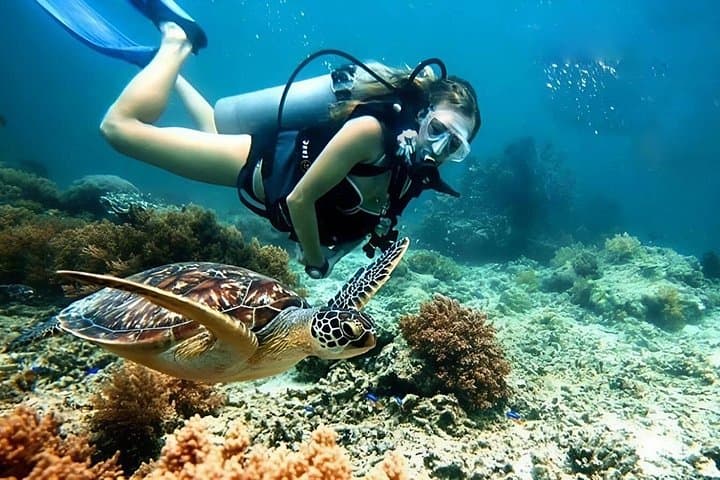
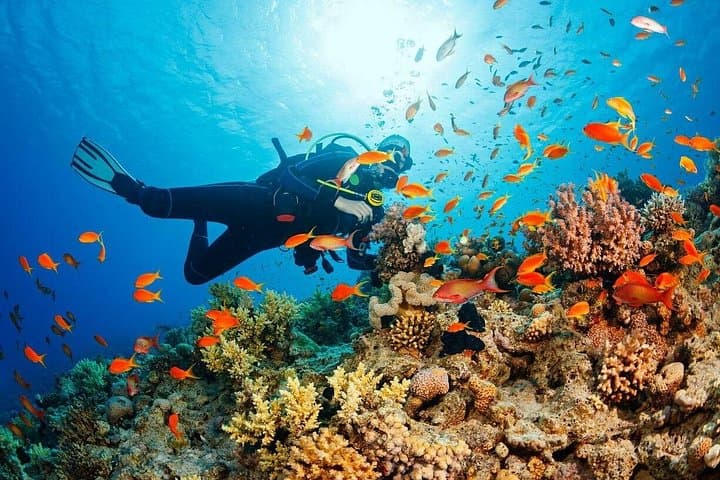
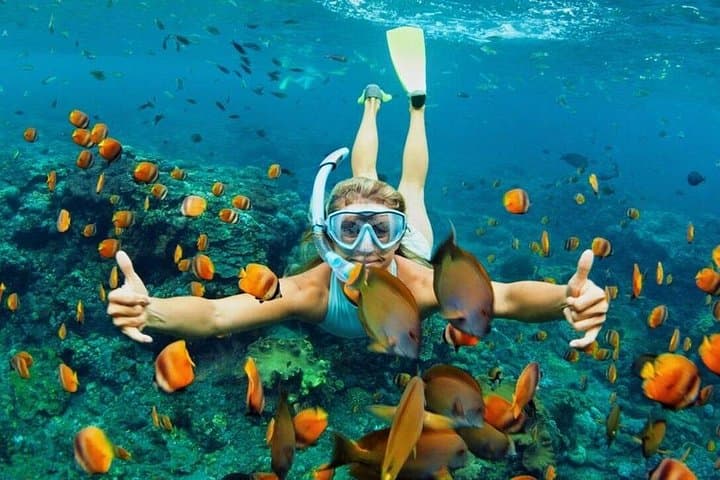
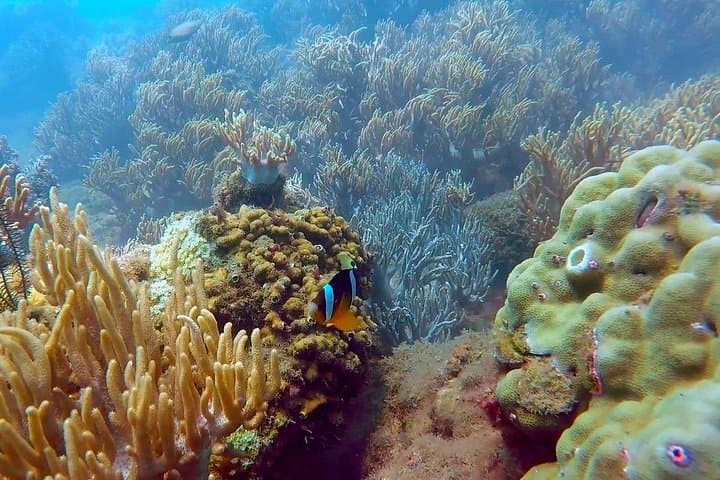
The speedboat cuts cleanly through the South China Sea and the mainland falls away: blue becomes green, then a band of white sand and forested isles. On approach the Cham Islands announce themselves not with drama but with clarity—their reef edges rim the shallows like a comb, and fish scatter like punctuation under the surface.
The speedboat cuts cleanly through the South China Sea and the mainland falls away: blue becomes green, then a band of white sand and forested isles. On approach the Cham Islands announce themselves not with drama but with clarity—their reef edges rim the shallows like a comb, and fish scatter like punctuation under the surface.
The islands are part of the Cu Lao Cham archipelago, long used by Cham sailors and fishermen; you’ll pass the small Hai Tang Pagoda and the old Champa Well—remnants of a trading culture that linked central Vietnam with the wider sea. Geologically the isles are coastal outcrops ringed by living coral; the marine zone is protected as a sanctuary, which helps keep coral gardens and reef fish abundant.
Expect a day of easy, hands-on ocean time: a 7-hour outing that includes boat transfer from Hoi An or Da Nang, guided snorkeling or an introductory dive, a shore visit to the main island’s village, and a seafood lunch by the beach. Visibility often ranges from 6–20 meters depending on season and tide; morning trips usually offer calmer water and better viewing. Guides supply masks, snorkels, and basic dive gear, but fit and hygiene vary—bring your own if you’re picky.
Practical notes: wear reef-safe sunscreen, a rash guard, and water shoes for rocky beaches. If you’re prone to seasickness, medicate before boarding and choose a morning departure. Respect the reef—no touching or taking—and listen to briefings before entering the water. The day is straightforward, sensory, and rooted in local seafaring life; it’s a compact ocean escape with immediate rewards for swimmers and divers alike.