THE ADVENTURE COLLECTIVE® · Independent discovery and booking for outdoor travel

Board a boat at Cua Dai and cross turquoise water to the Cham Islands, where coral gardens, beaches and a small fishing village await. This full-day snorkeling trip mixes easy water time with a seafood lunch and local culture.
Board a boat at Cua Dai and cross turquoise water to the Cham Islands, where coral gardens, beaches and a small fishing village await. This full-day snorkeling trip mixes easy water time with a seafood lunch and local culture.
A salt-bright wind carries the boat out of Cua Dai harbor and the coastline of Hoi An falls away — rice paddies and tiled roofs give way to open water. Within an hour the Cham Islands rise from the haze: steep granite islets crowned with scrub, sandy coves and clear water that invites a first dip.
Verified experiences and guided adventures in the surrounding area.
Operated by Chill Tourist · Hoi An, Quang Nam
A salt-bright wind carries the boat out of Cua Dai harbor and the coastline of Hoi An falls away — rice paddies and tiled roofs give way to open water. Within an hour the Cham Islands rise from the haze: steep granite islets crowned with scrub, sandy coves and clear water that invites a first dip.
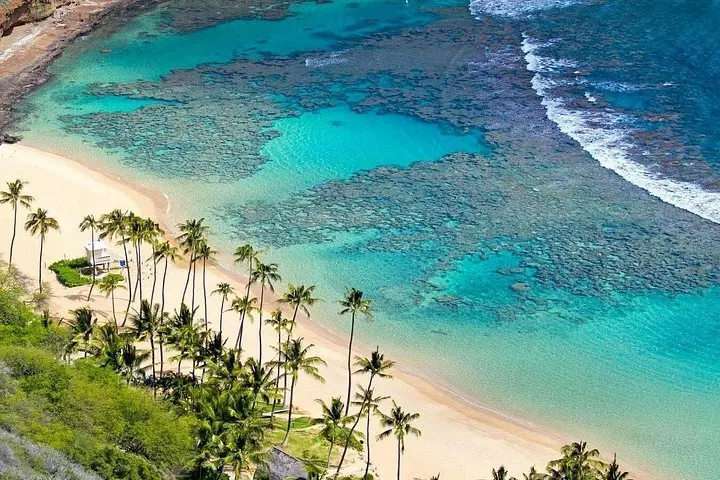
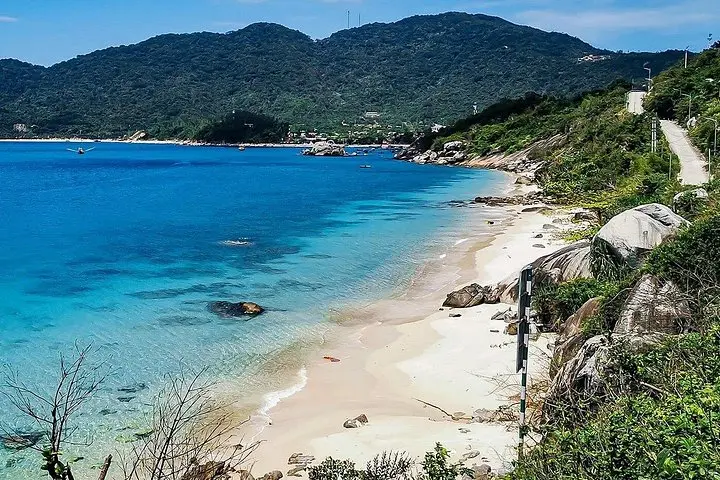
The islands are part of the Cu Lao Cham Marine Protected Area, a cluster with a history of sailors, fishermen and Cham culture that traces back centuries. Geology here is simple and bold: volcanic and metamorphic rock cliffs framing beaches and shallow reefs where coral gardens form terraces just below the surface. Small fishing hamlets and a handful of temples such as Hai Tang Pagoda give the place a lived-in, working feel — not a staged resort.
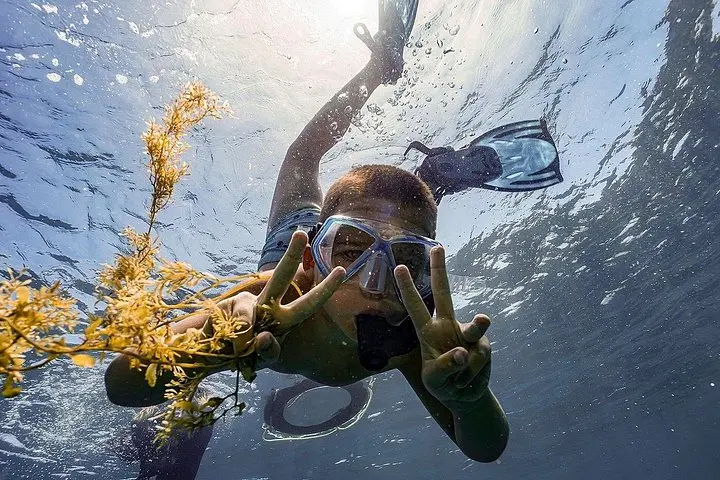
On a typical full-day tour, travelers boat to Lang Beach, don a mask and snorkel supplied by the operator, then follow coral slopes and swim among parrotfish, butterflyfish and the occasional sea turtle. After the water, a seaside seafood lunch and a stroll through the fishing village round out the day.
Practicalities shape the best experience: depart early for calmer seas, bring reef-safe sunscreen and a waterproof bag for electronics, and rent or confirm properly fitting snorkel gear if you’re particular about fit. Respect the marine reserve — avoid standing on coral and limit single-use plastics. The trip is approachable for most people, but those prone to seasickness should prepare; timing with the dry season improves visibility and comfort.
No — tours accommodate all levels; life vests are provided and guides stay nearby, but basic comfort in the water helps you enjoy snorkeling.
Yes — most operators supply masks, snorkels and fins, though many travelers bring personal masks for better fit and hygiene.
The dry season (roughly March–September) offers clearer water and calmer seas; the monsoon months (October–February) can bring rough water and reduced service.
Yes — avoid touching or standing on coral, do not feed or chase wildlife, and follow guide instructions to minimize impact.
Chill Tourist operates guided outdoor trips and adventures with an emphasis on safety, stewardship, and memorable experiences.

A salt-bright wind carries the boat out of Cua Dai harbor and the coastline of Hoi An falls away — rice paddies and tiled roofs give way to open water. Within an hour the Cham Islands rise from the haze: steep granite islets crowned with scrub, sandy coves and clear water that invites a first dip.
A salt-bright wind carries the boat out of Cua Dai harbor and the coastline of Hoi An falls away — rice paddies and tiled roofs give way to open water. Within an hour the Cham Islands rise from the haze: steep granite islets crowned with scrub, sandy coves and clear water that invites a first dip.
The islands are part of the Cu Lao Cham Marine Protected Area, a cluster with a history of sailors, fishermen and Cham culture that traces back centuries. Geology here is simple and bold: volcanic and metamorphic rock cliffs framing beaches and shallow reefs where coral gardens form terraces just below the surface. Small fishing hamlets and a handful of temples such as Hai Tang Pagoda give the place a lived-in, working feel — not a staged resort.
On a typical full-day tour, travelers boat to Lang Beach, don a mask and snorkel supplied by the operator, then follow coral slopes and swim among parrotfish, butterflyfish and the occasional sea turtle. After the water, a seaside seafood lunch and a stroll through the fishing village round out the day.
Practicalities shape the best experience: depart early for calmer seas, bring reef-safe sunscreen and a waterproof bag for electronics, and rent or confirm properly fitting snorkel gear if you’re particular about fit. Respect the marine reserve — avoid standing on coral and limit single-use plastics. The trip is approachable for most people, but those prone to seasickness should prepare; timing with the dry season improves visibility and comfort.