THE ADVENTURE COLLECTIVE® · Independent discovery and booking for outdoor travel

Skip the Taj crowds for a different kind of wild—an official Chambal River safari from the Agra region that puts you close to gharials, marsh crocodiles and migratory birds. Plan for a two-hour boat cruise with a trained naturalist; transport to the launch must be arranged separately.
Skip the Taj crowds for a different kind of wild—an official Chambal River safari from the Agra region that puts you close to gharials, marsh crocodiles and migratory birds. Plan for a two-hour boat cruise with a trained naturalist; transport to the launch must be arranged separately.
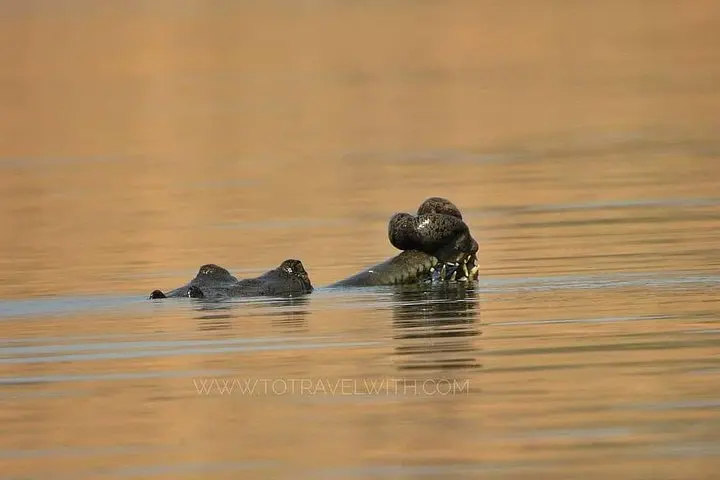
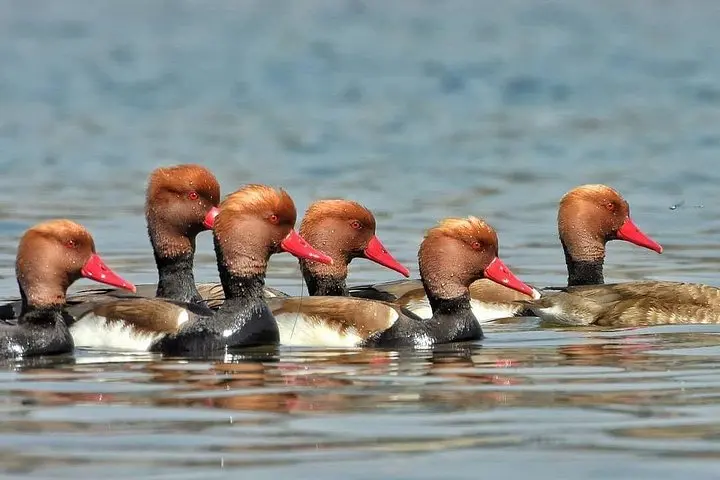
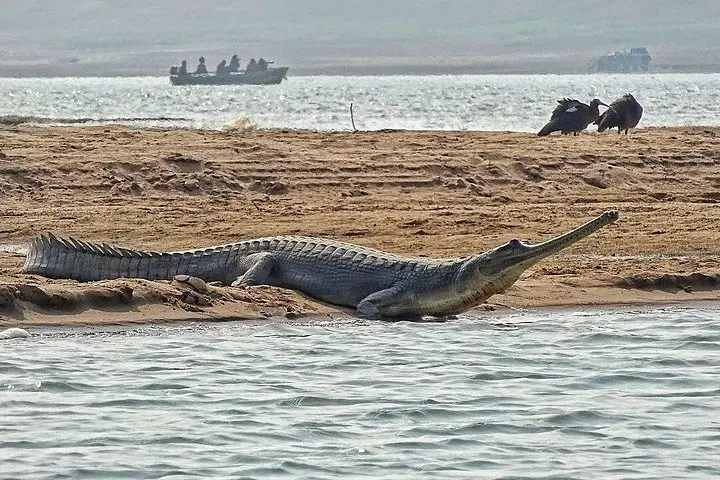
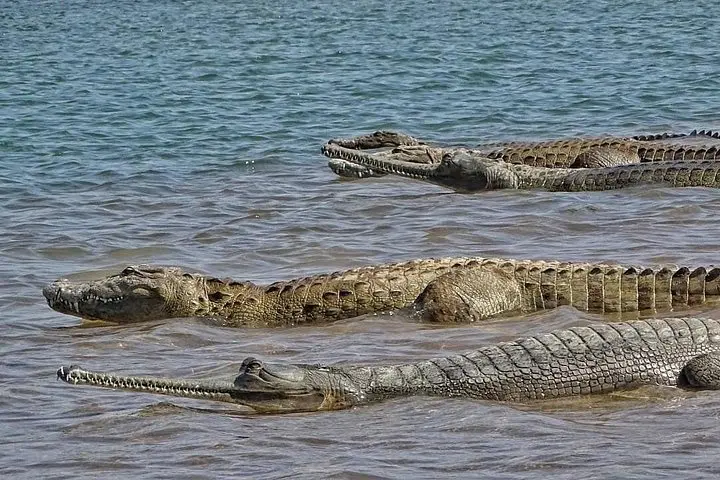
Early light cuts across the Chambal, the river pushing steadily through steep, eroded banks that once hid outlaws and shaped local folklore. On a morning river safari the engine’s hush gives way to bird calls; marsh crocodiles sun themselves on sandbars while the narrow snout of a gharial slips through glassy water. The naturalist aboard points out subtle cues — a ripple that might be a river dolphin, a cluster of terns, or the fresh prints of a jackal on the mud.
Verified experiences and guided adventures in the surrounding area.
Operated by Travel With · Bateshwar, Uttar Pradesh
Early light cuts across the Chambal, the river pushing steadily through steep, eroded banks that once hid outlaws and shaped local folklore. On a morning river safari the engine’s hush gives way to bird calls; marsh crocodiles sun themselves on sandbars while the narrow snout of a gharial slips through glassy water. The naturalist aboard points out subtle cues — a ripple that might be a river dolphin, a cluster of terns, or the fresh prints of a jackal on the mud.
Geology and history are on display: the Chambal’s dramatic badlands are carved by sediment and seasonal floods, creating islands and deep channels that support a surprisingly intact river ecosystem. Culturally, the river corridor links small temple towns and farming villages whose rhythms still depend on seasonal water flows. Conservation work here centers on gharial recovery, river dolphin surveys and protecting turtle nesting sites; the state-run sanctuary regulates launches and limits intrusion.
Practically, the typical tour includes a licensed naturalist, park entry, and a two-hour motorboat outing with life jackets provided; operators often meet guests in Agra but the launch is roughly a 65 km drive each way (arrange a taxi in advance). Wildlife sightings aren’t guaranteed — patience, a quiet boat and a good set of binoculars boost your odds.
Expect dusty roads to the launch, strong sun in summer, and excellent birding in winter and migration months. Follow your guide’s instructions, keep noise low, and never attempt to touch or feed animals. This is a safari that rewards slow observation: the river dares you to watch closely.
No—transport is not included. The launch is roughly a 65 km roundtrip from Agra; arrange a taxi or private transfer in advance.
The government-licensed outing typically includes a two-hour motorboat safari focused on spotting gharials, marsh crocodiles, turtles and riverine birds; dolphins and mammals are possible but not guaranteed.
The trip is rated easy and suitable for most fitness levels, but boarding a small motorboat requires some mobility; check with the operator about assistance for those with limited mobility.
Winter and migration months offer the best birding and more comfortable conditions; turtles and gharials are visible in warmer months when they bask more frequently.
Travel With operates guided outdoor trips and adventures with an emphasis on safety, stewardship, and memorable experiences.
Early light cuts across the Chambal, the river pushing steadily through steep, eroded banks that once hid outlaws and shaped local folklore. On a morning river safari the engine’s hush gives way to bird calls; marsh crocodiles sun themselves on sandbars while the narrow snout of a gharial slips through glassy water. The naturalist aboard points out subtle cues — a ripple that might be a river dolphin, a cluster of terns, or the fresh prints of a jackal on the mud.
Early light cuts across the Chambal, the river pushing steadily through steep, eroded banks that once hid outlaws and shaped local folklore. On a morning river safari the engine’s hush gives way to bird calls; marsh crocodiles sun themselves on sandbars while the narrow snout of a gharial slips through glassy water. The naturalist aboard points out subtle cues — a ripple that might be a river dolphin, a cluster of terns, or the fresh prints of a jackal on the mud.
Geology and history are on display: the Chambal’s dramatic badlands are carved by sediment and seasonal floods, creating islands and deep channels that support a surprisingly intact river ecosystem. Culturally, the river corridor links small temple towns and farming villages whose rhythms still depend on seasonal water flows. Conservation work here centers on gharial recovery, river dolphin surveys and protecting turtle nesting sites; the state-run sanctuary regulates launches and limits intrusion.
Practically, the typical tour includes a licensed naturalist, park entry, and a two-hour motorboat outing with life jackets provided; operators often meet guests in Agra but the launch is roughly a 65 km drive each way (arrange a taxi in advance). Wildlife sightings aren’t guaranteed — patience, a quiet boat and a good set of binoculars boost your odds.
Expect dusty roads to the launch, strong sun in summer, and excellent birding in winter and migration months. Follow your guide’s instructions, keep noise low, and never attempt to touch or feed animals. This is a safari that rewards slow observation: the river dares you to watch closely.