THE ADVENTURE COLLECTIVE® · Independent discovery and booking for outdoor travel

Combine a morning visit to Bateshwar’s Shiva temples with an afternoon Chambal boat safari to see gharials, crocodiles, and rare river dolphins. This full‑day excursion from Agra blends local history with close-up wildlife viewing on the Chambal River.
Combine a morning visit to Bateshwar’s Shiva temples with an afternoon Chambal boat safari to see gharials, crocodiles, and rare river dolphins. This full‑day excursion from Agra blends local history with close-up wildlife viewing on the Chambal River.
Morning light strips across the Yamuna as your car pulls off the highway and into the low, scrubby landscape toward Bateshwar. Stone temples rise along the riverbank—bell-studded shikhara, weathered steps—while the river beyond glints and calls with the promise of wildlife.
Verified experiences and guided adventures in the surrounding area.
Operated by My Tour Adviser · Bateshwar, Uttar Pradesh
Morning light strips across the Yamuna as your car pulls off the highway and into the low, scrubby landscape toward Bateshwar. Stone temples rise along the riverbank—bell-studded shikhara, weathered steps—while the river beyond glints and calls with the promise of wildlife.
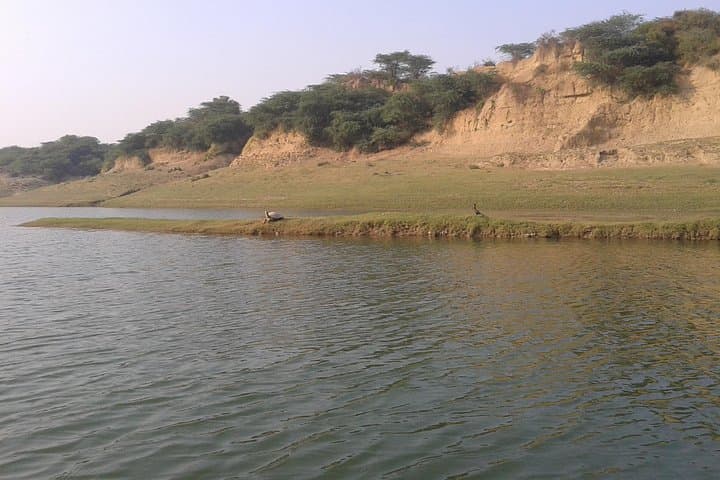
Bateshwar’s temple cluster dates back several centuries and was historically a pilgrimage and trade hub; today it frames the quieter, riverine world of the Chambal. Geologically the region is a broad alluvial plain where the Chambal has cut sandbanks and islands that become sunning points for gharials and nesting sites for riverine birds. Culturally, the contrast is striking: temple rituals early in the day, then the naturalist’s measured commentary as the boat nudges past marsh grasses.
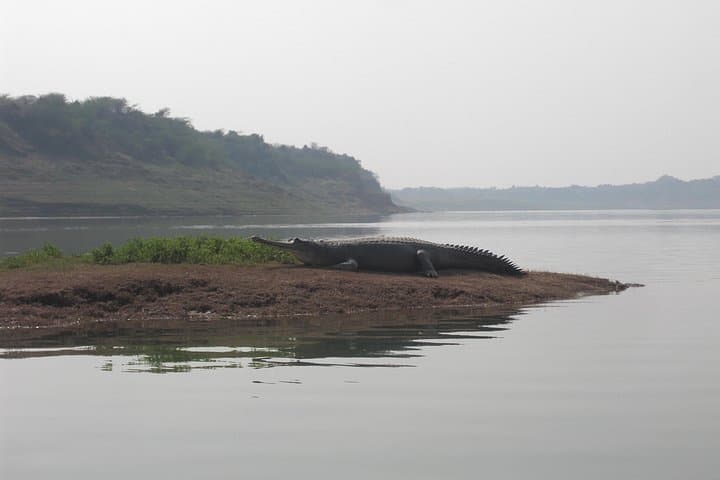
On the two‑hour motorboat safari expect close views of basking gharials and marsh crocodiles, and, if lucky, a glimpse of the endangered Gangetic dolphin surfacing in current eddies that seem to push you forward. Waders and raptors wheel above exposed sandbars; every sighting is best enjoyed from the boat’s quiet edge under your guide’s direction.
Practicalities: depart Agra early, wear sun protection and flat, grippy shoes for boarding. Boats are motorized and equipped with life vests; photography with a telephoto lens is ideal. River levels change seasonally—spring and post‑monsoon offer good bird activity; hot summer afternoons can be harsh, so schedule early or late slots. The trip pairs well with a short visit to Bateshwar’s temples and a simple lunch at an eco-lodge, offering a compact day where history and wild river life meet.
Expect about 1–1.5 hours drive to Bateshwar, a short transfer to the eco-lodge for lunch, and a roughly two‑hour motorboat safari on the Chambal before returning to Agra.
Common sightings include gharials and marsh crocodiles on sandbanks, a variety of waterbirds and, occasionally, the endangered Gangetic dolphin—sightings depend on season and river conditions.
Yes—boats are motorized and carry life jackets; children and non-swimmers should wear vests and follow crew instructions when boarding and moving on deck.
Late winter to spring and the post-monsoon months often provide high bird activity and visible sandbanks; early morning or late afternoon departures increase chances of dolphin and reptile sightings.
My Tour Adviser operates guided outdoor trips and adventures with an emphasis on safety, stewardship, and memorable experiences.
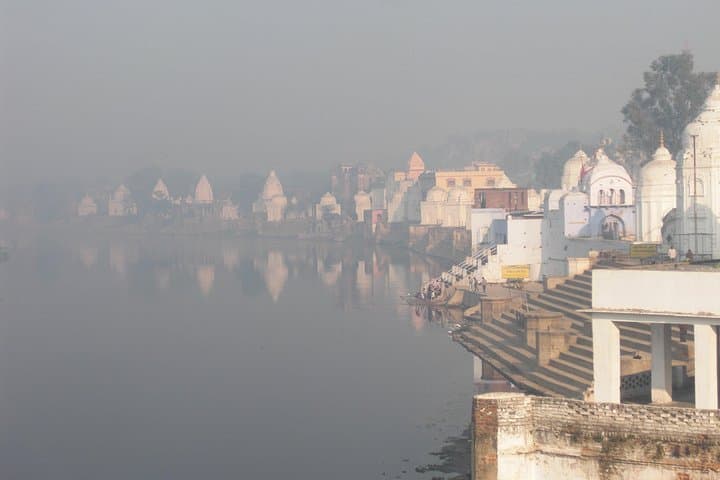
Morning light strips across the Yamuna as your car pulls off the highway and into the low, scrubby landscape toward Bateshwar. Stone temples rise along the riverbank—bell-studded shikhara, weathered steps—while the river beyond glints and calls with the promise of wildlife.
Morning light strips across the Yamuna as your car pulls off the highway and into the low, scrubby landscape toward Bateshwar. Stone temples rise along the riverbank—bell-studded shikhara, weathered steps—while the river beyond glints and calls with the promise of wildlife.
Bateshwar’s temple cluster dates back several centuries and was historically a pilgrimage and trade hub; today it frames the quieter, riverine world of the Chambal. Geologically the region is a broad alluvial plain where the Chambal has cut sandbanks and islands that become sunning points for gharials and nesting sites for riverine birds. Culturally, the contrast is striking: temple rituals early in the day, then the naturalist’s measured commentary as the boat nudges past marsh grasses.
On the two‑hour motorboat safari expect close views of basking gharials and marsh crocodiles, and, if lucky, a glimpse of the endangered Gangetic dolphin surfacing in current eddies that seem to push you forward. Waders and raptors wheel above exposed sandbars; every sighting is best enjoyed from the boat’s quiet edge under your guide’s direction.
Practicalities: depart Agra early, wear sun protection and flat, grippy shoes for boarding. Boats are motorized and equipped with life vests; photography with a telephoto lens is ideal. River levels change seasonally—spring and post‑monsoon offer good bird activity; hot summer afternoons can be harsh, so schedule early or late slots. The trip pairs well with a short visit to Bateshwar’s temples and a simple lunch at an eco-lodge, offering a compact day where history and wild river life meet.