THE ADVENTURE COLLECTIVE® · Independent discovery and booking for outdoor travel

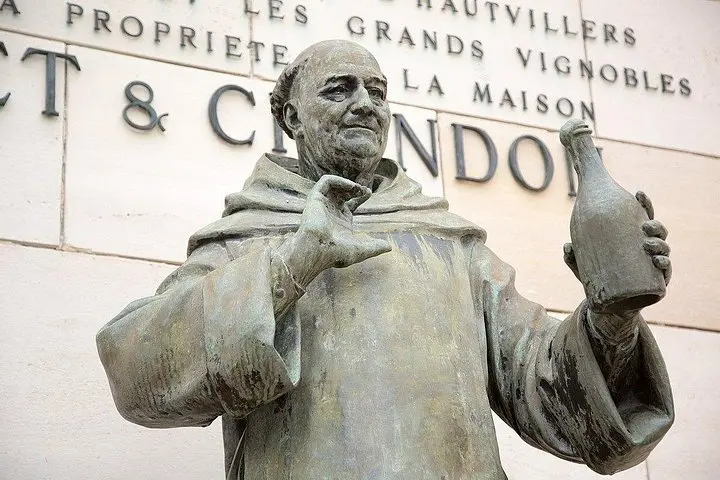
Head from Paris into the chalk hills of Champagne for a private day of cellar tours, tastings and history in Épernay and Reims. Descend into limestone galleries, stand at Dom Pérignon’s grave in Hautvillers and taste classic cuvées at world-famous houses.
Head from Paris into the chalk hills of Champagne for a private day of cellar tours, tastings and history in Épernay and Reims. Descend into limestone galleries, stand at Dom Pérignon’s grave in Hautvillers and taste classic cuvées at world-famous houses.
You step onto the coach in Paris and the city’s noise softens as the highway unfurls toward rolling vine terraces. After about two hours the land changes — neat rows of vines contour low chalky hills, and the air takes on a cool mineral edge. Hautvillers appears first: a village of stone streets, the grave of Dom Pérignon and a small hill that offers a sweeping view over the parcels that make Champagne.
Verified experiences and guided adventures in the surrounding area.
Operated by Galaxytour · Épernay, Grand Est
You step onto the coach in Paris and the city’s noise softens as the highway unfurls toward rolling vine terraces. After about two hours the land changes — neat rows of vines contour low chalky hills, and the air takes on a cool mineral edge. Hautvillers appears first: a village of stone streets, the grave of Dom Pérignon and a small hill that offers a sweeping view over the parcels that make Champagne.
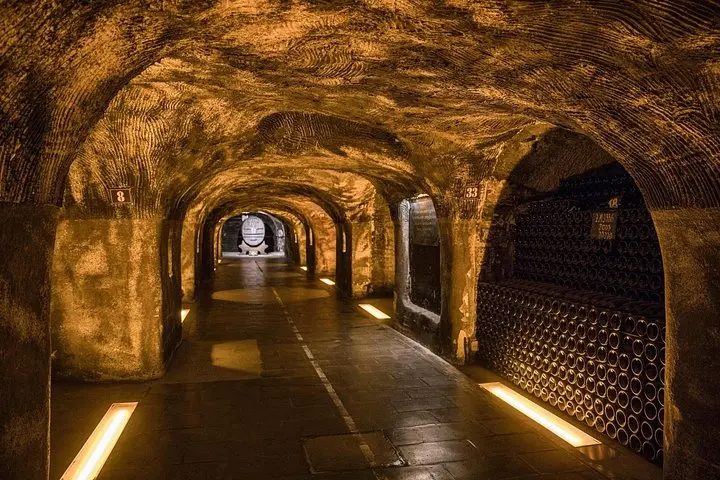
The day moves between human craft and geological curiosity. Épernay’s Avenue de Champagne hides a lattice of subterranean cellars hewn from chalk — perfect for aging and for even temperature and humidity. In Reims, the cathedral’s carved façade points to the city’s role in French monarchy; nearby cellar networks trace the same chalk strata that winemakers used to build their industry.
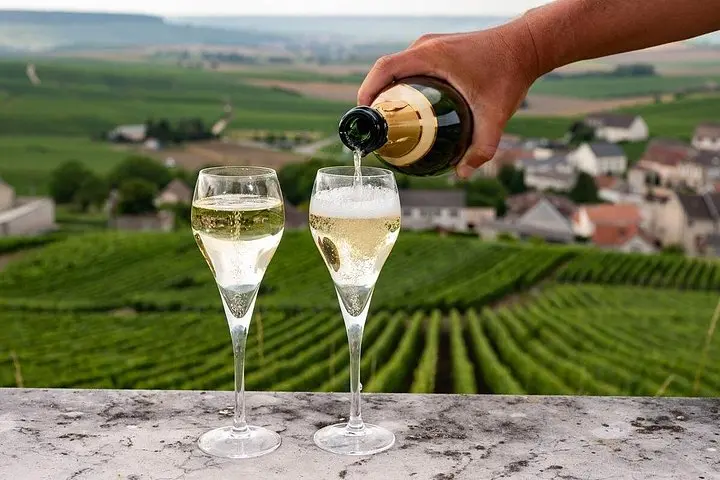
Culture here is built around patience: slow fermentations, long lees contact, and family growers who ration their bottles to maintain quality. Expect guided cellar descents, a structured tasting (two classic cuvées at Moët plus a house pairing at Pommery or Veuve Clicquot), and a relaxed lunch in Épernay.
Practicalities: bring ID for tastings, wear comfortable shoes for uneven cellar steps, and reserve early — houses limit daily visitors. The trip is full-day (8–10 hours) with mostly seated travel between stops and light walking at each site. Aim for morning departures to maximize tasting time and avoid the brief busiest windows at major houses.
Yes — guided tastings are included at the named Champagne houses (typically two glasses at Moët and a tasting at Pommery or Veuve Clicquot); offerings may vary by house.
Yes — private pickup and drop-off in Paris are included; you’ll confirm the exact pickup point when booking.
Minors can join but will receive non-alcoholic beverages during tastings; ID checks still apply for adults.
If a house is closed or fully booked, the operator will notify you and suggest alternative prestigious houses; some closures (e.g., January–February) are seasonal.
Galaxytour operates guided outdoor trips and adventures with an emphasis on safety, stewardship, and memorable experiences.
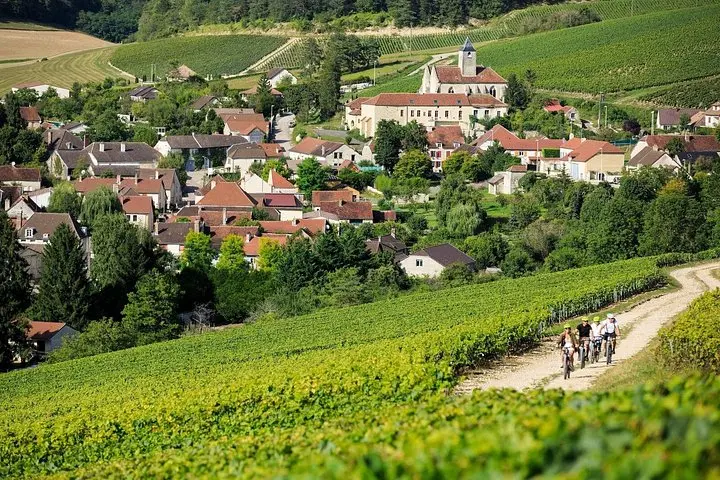
You step onto the coach in Paris and the city’s noise softens as the highway unfurls toward rolling vine terraces. After about two hours the land changes — neat rows of vines contour low chalky hills, and the air takes on a cool mineral edge. Hautvillers appears first: a village of stone streets, the grave of Dom Pérignon and a small hill that offers a sweeping view over the parcels that make Champagne.
You step onto the coach in Paris and the city’s noise softens as the highway unfurls toward rolling vine terraces. After about two hours the land changes — neat rows of vines contour low chalky hills, and the air takes on a cool mineral edge. Hautvillers appears first: a village of stone streets, the grave of Dom Pérignon and a small hill that offers a sweeping view over the parcels that make Champagne.
The day moves between human craft and geological curiosity. Épernay’s Avenue de Champagne hides a lattice of subterranean cellars hewn from chalk — perfect for aging and for even temperature and humidity. In Reims, the cathedral’s carved façade points to the city’s role in French monarchy; nearby cellar networks trace the same chalk strata that winemakers used to build their industry.
Culture here is built around patience: slow fermentations, long lees contact, and family growers who ration their bottles to maintain quality. Expect guided cellar descents, a structured tasting (two classic cuvées at Moët plus a house pairing at Pommery or Veuve Clicquot), and a relaxed lunch in Épernay.
Practicalities: bring ID for tastings, wear comfortable shoes for uneven cellar steps, and reserve early — houses limit daily visitors. The trip is full-day (8–10 hours) with mostly seated travel between stops and light walking at each site. Aim for morning departures to maximize tasting time and avoid the brief busiest windows at major houses.