THE ADVENTURE COLLECTIVE® · Independent discovery and booking for outdoor travel

Float above warm streams of bubbles at Champagne Reef with a local guide from Donny’s Watersports. This short, guided snorkel from Champagne Beach offers up-close views of volcanic vents, coral gardens, and turtles — perfect for families and cruise passengers wanting a memorable Caribbean swim.
Float above warm streams of bubbles at Champagne Reef with a local guide from Donny’s Watersports. This short, guided snorkel from Champagne Beach offers up-close views of volcanic vents, coral gardens, and turtles — perfect for families and cruise passengers wanting a memorable Caribbean swim.
You step off the low concrete stairs onto black sand warmed by the sun and the island’s slow breath. The sea at Champagne Reef hisses and puffs where volcanic vents meet the ocean floor; tiny columns of warm gas and water rise through kelp and coral like an effervescent current daring you to float above them. A local guide from Donny’s Watersports adjusts your mask with an easy authority, points to a line of bubbles shimmering under the surface, and leads the group into water that feels part warm spring, part rollicking Caribbean.
Verified experiences and guided adventures in the surrounding area.
Operated by Donny's Watersports · Roseau, Saint Mark Parish
You step off the low concrete stairs onto black sand warmed by the sun and the island’s slow breath. The sea at Champagne Reef hisses and puffs where volcanic vents meet the ocean floor; tiny columns of warm gas and water rise through kelp and coral like an effervescent current daring you to float above them. A local guide from Donny’s Watersports adjusts your mask with an easy authority, points to a line of bubbles shimmering under the surface, and leads the group into water that feels part warm spring, part rollicking Caribbean.
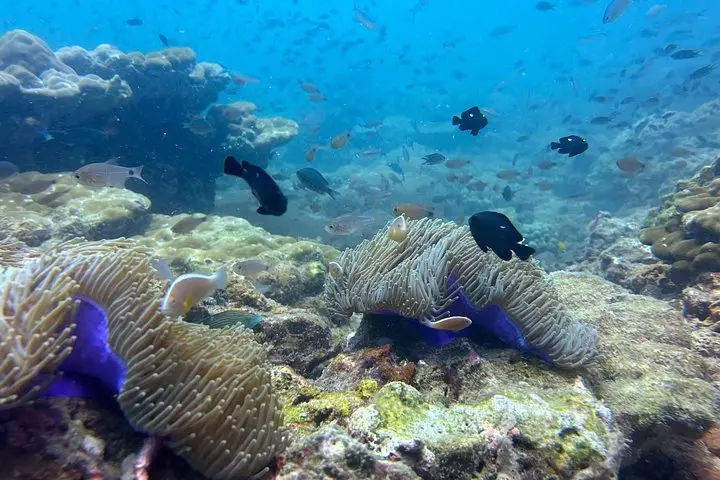
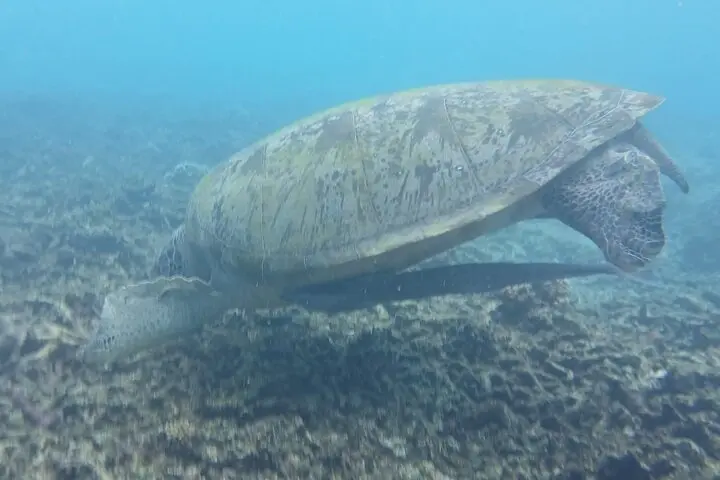
Champagne Reef is not an aquarium trick — it’s the visible face of Dominica’s volcanic plumbing. The island’s volcanic geology, carved by eruptions and hydrothermal vents, forces heated seawater and gas through fissures on the seafloor. Where the vents meet reef, bubbles stream up through coral gardens and attract a particular cast of sea life: grazing parrotfish, darting damselfish, and the occasional green sea turtle. For centuries, local communities have moved with these seas, fishing and navigating between coves; today, small, guide-led experiences aim to share that knowledge while limiting footprint on the reef.
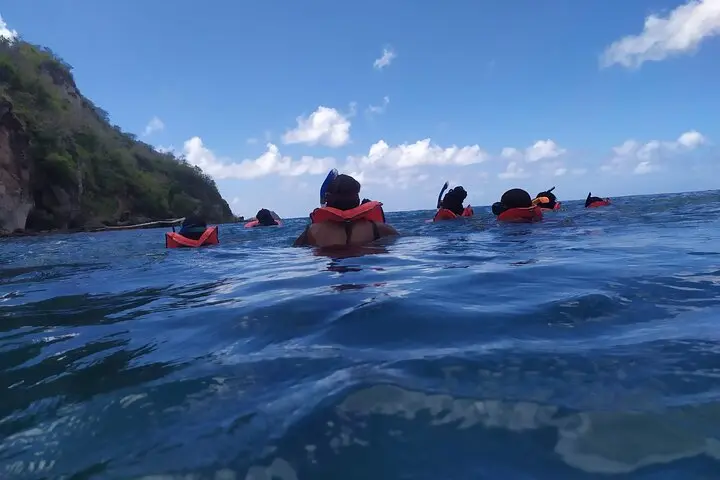
The tour begins directly from Champagne Beach (about 10–15 minutes south of Roseau). Guides brief you on marine etiquette — no touching coral, controlled finning, and how to float over vents safely — then hand out masks, fins, snorkels, and vests. The group slips into shallow water and follows a guided loop across bubble fields and a patchwork of soft and stony coral. Along the way, the guide points out species and explains how the reef is both resilient and vulnerable: currents can rearrange the sand; sunscreen chemicals and careless anchoring degrade coral over time.
Practical tips: meet Donny’s Watersports at the beachfront sign, arrive 15 minutes early for gear fitting, and expect the full activity to take about an hour. The water depth in the snorkeling zone is generally waist- to chest-deep, with short deeper channels; non-swimmers can use flotation vests. Bring reef-safe sunscreen, a snug mask (the ones provided are serviceable but personal masks fit better), and a waterproof camera if you want to capture the bubbles and turtles. Weather can close the reef; if the sea is rough or visibility drops, guides will reschedule.
For travelers, Champagne Reef is an efficient, high-impact slice of Dominica’s wild marine life — compact enough for cruise itineraries yet intimate enough to feel like a private discovery. Move slowly, let the bubbles lift your attention, and listen as the guide names fish and currents; the sea will keep showing you surprises so long as you give it room to breathe.
No — the tour is designed for a range of abilities; flotation vests are provided and guides stay close to less confident guests.
Champagne Beach is about a 10–15 minute drive south of Roseau; taxis are common and some cruise passengers can join shore excursions that include transport.
Yes — families are welcome; infant seats and flotation support are available, but check age rules and book accordingly.
Expect reef fish like parrotfish and butterflyfish, and often green sea turtles; encounters can’t be guaranteed but are common.
Yes — guides will cancel or reschedule trips during rough seas or low visibility for safety and conservation reasons.
Yes — a trained local guide from Donny’s Watersports accompanies the group, points out marine life, and enforces reef etiquette.
Donny's Watersports operates guided outdoor trips and adventures with an emphasis on safety, stewardship, and memorable experiences.
You step off the low concrete stairs onto black sand warmed by the sun and the island’s slow breath. The sea at Champagne Reef hisses and puffs where volcanic vents meet the ocean floor; tiny columns of warm gas and water rise through kelp and coral like an effervescent current daring you to float above them. A local guide from Donny’s Watersports adjusts your mask with an easy authority, points to a line of bubbles shimmering under the surface, and leads the group into water that feels part warm spring, part rollicking Caribbean.
You step off the low concrete stairs onto black sand warmed by the sun and the island’s slow breath. The sea at Champagne Reef hisses and puffs where volcanic vents meet the ocean floor; tiny columns of warm gas and water rise through kelp and coral like an effervescent current daring you to float above them. A local guide from Donny’s Watersports adjusts your mask with an easy authority, points to a line of bubbles shimmering under the surface, and leads the group into water that feels part warm spring, part rollicking Caribbean.
Champagne Reef is not an aquarium trick — it’s the visible face of Dominica’s volcanic plumbing. The island’s volcanic geology, carved by eruptions and hydrothermal vents, forces heated seawater and gas through fissures on the seafloor. Where the vents meet reef, bubbles stream up through coral gardens and attract a particular cast of sea life: grazing parrotfish, darting damselfish, and the occasional green sea turtle. For centuries, local communities have moved with these seas, fishing and navigating between coves; today, small, guide-led experiences aim to share that knowledge while limiting footprint on the reef.
The tour begins directly from Champagne Beach (about 10–15 minutes south of Roseau). Guides brief you on marine etiquette — no touching coral, controlled finning, and how to float over vents safely — then hand out masks, fins, snorkels, and vests. The group slips into shallow water and follows a guided loop across bubble fields and a patchwork of soft and stony coral. Along the way, the guide points out species and explains how the reef is both resilient and vulnerable: currents can rearrange the sand; sunscreen chemicals and careless anchoring degrade coral over time.
Practical tips: meet Donny’s Watersports at the beachfront sign, arrive 15 minutes early for gear fitting, and expect the full activity to take about an hour. The water depth in the snorkeling zone is generally waist- to chest-deep, with short deeper channels; non-swimmers can use flotation vests. Bring reef-safe sunscreen, a snug mask (the ones provided are serviceable but personal masks fit better), and a waterproof camera if you want to capture the bubbles and turtles. Weather can close the reef; if the sea is rough or visibility drops, guides will reschedule.
For travelers, Champagne Reef is an efficient, high-impact slice of Dominica’s wild marine life — compact enough for cruise itineraries yet intimate enough to feel like a private discovery. Move slowly, let the bubbles lift your attention, and listen as the guide names fish and currents; the sea will keep showing you surprises so long as you give it room to breathe.