THE ADVENTURE COLLECTIVE® · Independent discovery and booking for outdoor travel

A single-day trek from Pokhara to Chandakot delivers wide Annapurna views, village encounters and terraced fields without an overnight pack. Expect mixed trails, short climbs and a culturally rich route ideal for a half- to full-day outing.
A single-day trek from Pokhara to Chandakot delivers wide Annapurna views, village encounters and terraced fields without an overnight pack. Expect mixed trails, short climbs and a culturally rich route ideal for a half- to full-day outing.
The trail opens with a cool, roadside drive out of Pokhara and then a slow climb into terraces and small villages; Himalayan peaks puncture the sky ahead while rivers chatter below. As you step onto the dirt track at Lumle, the path alternates between packed earth, stone steps and farm tracks, and the air tightens with the scent of damp soil and wood smoke.
Verified experiences and guided adventures in the surrounding area.
Operated by Peak to Peak Tours and Treks Pvt Ltd · Pokhara, Gandaki Province
The trail opens with a cool, roadside drive out of Pokhara and then a slow climb into terraces and small villages; Himalayan peaks puncture the sky ahead while rivers chatter below. As you step onto the dirt track at Lumle, the path alternates between packed earth, stone steps and farm tracks, and the air tightens with the scent of damp soil and wood smoke.
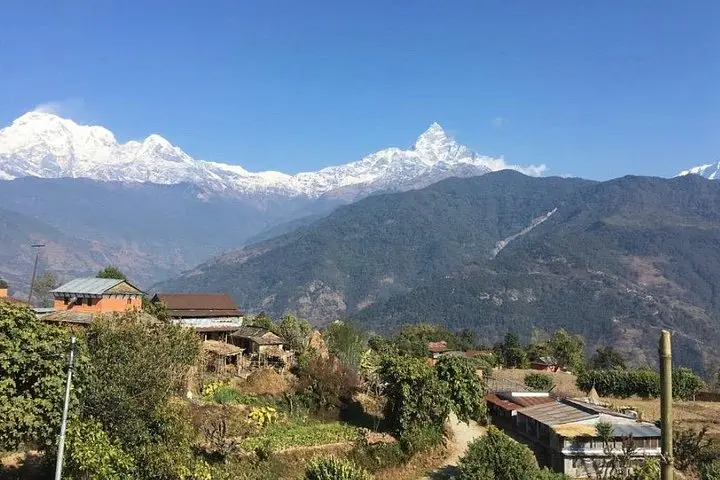
Chandakot sits on the lower flanks of the Annapurna foothills. Geologically the ridge is part of the folded lesser Himalaya—soft sedimentary rock carved into stepped fields and narrow gullies. The area is agricultural and predominantly Gurung and Magar territory; along the way you’ll pass small tea gardens, stone houses with corrugated roofs, and terraced fields that record generations of subsistence farming.
Culturally the walk is as much about people as peaks: children wave from trails, elders tend fields, and simple tea stops offer dal bhat or local biscuits. Historically, these routes linked hill villages with Pokhara’s markets; today they’re short treks for visitors seeking a big-mountain fix in a day.
Plan for 4–6 hours total (including drive), expect 8–12 km round-trip with roughly 400–600 m of ascent depending on start point. Trail footing is mixed—good hiking shoes, layered clothing for sun-to-cold swings, and 2 liters of water are practical musts. Start early for clear views of Annapurna and Dhaulagiri, and bring small change for village tea. The rhythm of the hike is steady: moderate climbs, short rests, and repeated rewards—panoramas that refuse to be ordinary.
The drive to Lumle or nearby trailheads is typically 30–60 minutes depending on traffic and exact pickup location in Pokhara.
No formal permit or guide is required for this day hike, but a local guide adds cultural context and route knowledge—many bookings include a licensed English-speaking guide.
Autumn (Sept–Nov) and spring (Mar–May) offer the clearest mountain views and stable weather; monsoon months can be muddy and winter mornings are cold but clear.
Small tea shops and homestays appear in villages along the route offering snacks and simple toilets, but facilities are basic—carry essentials.
Peak to Peak Tours and Treks Pvt Ltd operates guided outdoor trips and adventures with an emphasis on safety, stewardship, and memorable experiences.
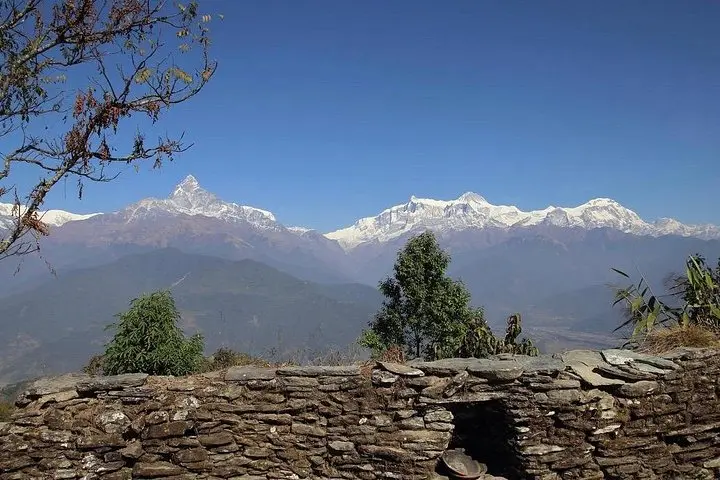
The trail opens with a cool, roadside drive out of Pokhara and then a slow climb into terraces and small villages; Himalayan peaks puncture the sky ahead while rivers chatter below. As you step onto the dirt track at Lumle, the path alternates between packed earth, stone steps and farm tracks, and the air tightens with the scent of damp soil and wood smoke.
The trail opens with a cool, roadside drive out of Pokhara and then a slow climb into terraces and small villages; Himalayan peaks puncture the sky ahead while rivers chatter below. As you step onto the dirt track at Lumle, the path alternates between packed earth, stone steps and farm tracks, and the air tightens with the scent of damp soil and wood smoke.
Chandakot sits on the lower flanks of the Annapurna foothills. Geologically the ridge is part of the folded lesser Himalaya—soft sedimentary rock carved into stepped fields and narrow gullies. The area is agricultural and predominantly Gurung and Magar territory; along the way you’ll pass small tea gardens, stone houses with corrugated roofs, and terraced fields that record generations of subsistence farming.
Culturally the walk is as much about people as peaks: children wave from trails, elders tend fields, and simple tea stops offer dal bhat or local biscuits. Historically, these routes linked hill villages with Pokhara’s markets; today they’re short treks for visitors seeking a big-mountain fix in a day.
Plan for 4–6 hours total (including drive), expect 8–12 km round-trip with roughly 400–600 m of ascent depending on start point. Trail footing is mixed—good hiking shoes, layered clothing for sun-to-cold swings, and 2 liters of water are practical musts. Start early for clear views of Annapurna and Dhaulagiri, and bring small change for village tea. The rhythm of the hike is steady: moderate climbs, short rests, and repeated rewards—panoramas that refuse to be ordinary.