THE ADVENTURE COLLECTIVE® · Independent discovery and booking for outdoor travel

Walk the narrow, product-specific lanes of Chandni Chowk with a private guide and round-trip transfer. This 3–4 hour tour mixes Mughal monuments, temple precincts and Asia’s largest spice market for a sensory, history-rich stroll.
Walk the narrow, product-specific lanes of Chandni Chowk with a private guide and round-trip transfer. This 3–4 hour tour mixes Mughal monuments, temple precincts and Asia’s largest spice market for a sensory, history-rich stroll.
Morning light cuts through a lane of fluttering shop signs and the call of a distant imam as you step from an air-conditioned car onto Chandni Chowk’s packed pavement. The street seems to lean in, urging you forward: rickshaws ping past, vendors sling sacks of grain, and the aroma of spices insists you follow it.
Verified experiences and guided adventures in the surrounding area.
Operated by SITA World Tours · New Delhi, Delhi
Morning light cuts through a lane of fluttering shop signs and the call of a distant imam as you step from an air-conditioned car onto Chandni Chowk’s packed pavement. The street seems to lean in, urging you forward: rickshaws ping past, vendors sling sacks of grain, and the aroma of spices insists you follow it.
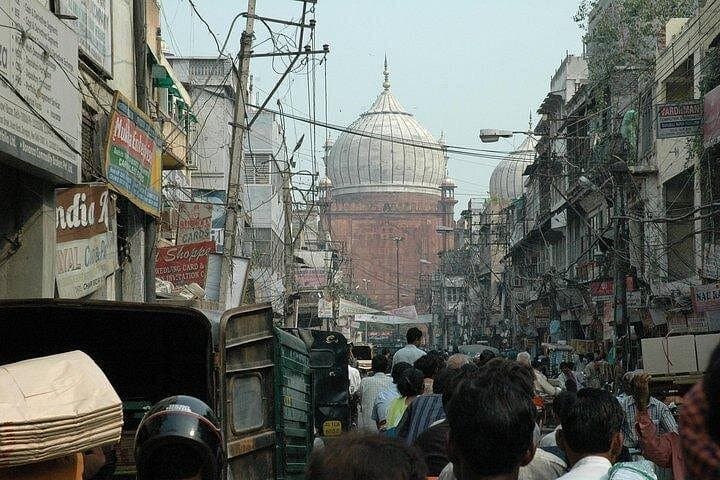
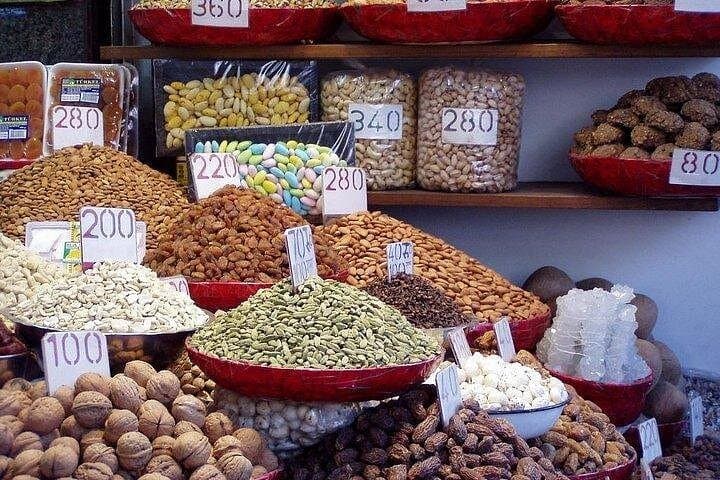
This three-to-four-hour walk threads together Mughal-era monuments and trade streets that have specialized by product for centuries. You’ll get a close view of Jama Masjid—one of India’s largest mosques—and a glimpse of the Red Fort’s red sandstone walls. The route passes the Digambar Jain Temple, the Gauri Shankar Hindu shrine and the Sisganj Gurdwara, sites that reflect Delhi’s layered religious history. Khari Baoli, Asia’s biggest spice market, is a sensory high point: sacks of dried red chiles, turmeric, and whole nutmeg stacked in geometric piles.
Geologically the area sits on the flat alluvial plain of the Yamuna, so expect little elevation change but plenty of uneven stone and crowd squeeze. Culturally, Chandni Chowk’s streets each stake a claim—textiles on one strip, jewelry on another—forming an old-school supply chain that still supplies the city.
Practical notes: the walk covers roughly 2–4 km with frequent stops and a short rickshaw hop; wear sturdy shoes, carry a refillable water bottle, and keep cash for small purchases. Travel light, follow your guide through narrow alleys, and schedule visits early or late in the day to avoid the fiercest crowds and midday heat.
The walk begins and ends at Jama Masjid; private transfer picks you up and returns you to your hotel in Delhi.
No; narrow lanes, rickshaws, and uneven surfaces make full accessibility difficult—those with significant mobility issues should consider alternatives.
The itinerary does not include formal tastings, though you can buy snacks from vendors—inform the guide of dietary or allergy restrictions first.
Groups are private with a maximum of eight people per booking as stated in the tour details.
SITA World Tours operates guided outdoor trips and adventures with an emphasis on safety, stewardship, and memorable experiences.
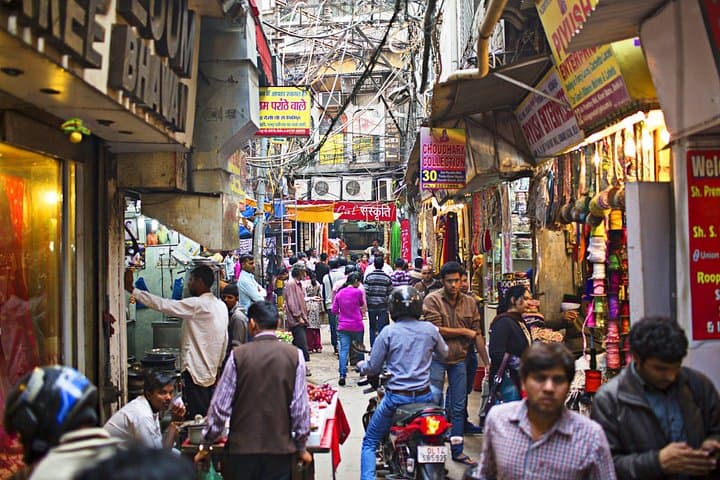
Morning light cuts through a lane of fluttering shop signs and the call of a distant imam as you step from an air-conditioned car onto Chandni Chowk’s packed pavement. The street seems to lean in, urging you forward: rickshaws ping past, vendors sling sacks of grain, and the aroma of spices insists you follow it.
Morning light cuts through a lane of fluttering shop signs and the call of a distant imam as you step from an air-conditioned car onto Chandni Chowk’s packed pavement. The street seems to lean in, urging you forward: rickshaws ping past, vendors sling sacks of grain, and the aroma of spices insists you follow it.
This three-to-four-hour walk threads together Mughal-era monuments and trade streets that have specialized by product for centuries. You’ll get a close view of Jama Masjid—one of India’s largest mosques—and a glimpse of the Red Fort’s red sandstone walls. The route passes the Digambar Jain Temple, the Gauri Shankar Hindu shrine and the Sisganj Gurdwara, sites that reflect Delhi’s layered religious history. Khari Baoli, Asia’s biggest spice market, is a sensory high point: sacks of dried red chiles, turmeric, and whole nutmeg stacked in geometric piles.
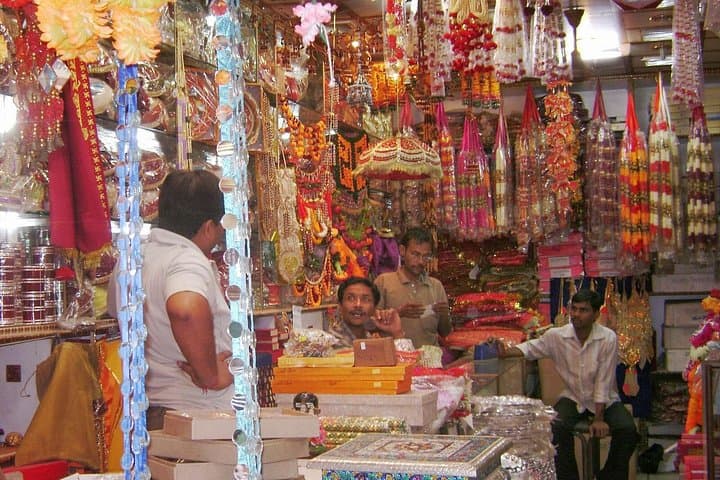
Geologically the area sits on the flat alluvial plain of the Yamuna, so expect little elevation change but plenty of uneven stone and crowd squeeze. Culturally, Chandni Chowk’s streets each stake a claim—textiles on one strip, jewelry on another—forming an old-school supply chain that still supplies the city.
Practical notes: the walk covers roughly 2–4 km with frequent stops and a short rickshaw hop; wear sturdy shoes, carry a refillable water bottle, and keep cash for small purchases. Travel light, follow your guide through narrow alleys, and schedule visits early or late in the day to avoid the fiercest crowds and midday heat.