THE ADVENTURE COLLECTIVE® · Independent discovery and booking for outdoor travel

Walk the packed lanes of Chandni Chowk from Jama Masjid with private transfers and a local guide. This three-hour tour mixes Mughal-era landmarks, spice-market detours and a short rickshaw ride through Old Delhi’s busiest corridors.
Walk the packed lanes of Chandni Chowk from Jama Masjid with private transfers and a local guide. This three-hour tour mixes Mughal-era landmarks, spice-market detours and a short rickshaw ride through Old Delhi’s busiest corridors.
A narrow lane opens like a pulse through Old Delhi—rickshaw bells, a swirl of saffron and turmeric dust in the air, and the Jama Masjid dome cutting a sharp silhouette overhead. This three-hour guided stroll threads the busiest arteries of Chandni Chowk, starting and ending at Jama Masjid, moving past courtyards, temple facades and the stacked fronts of spice traders.
Verified experiences and guided adventures in the surrounding area.
Operated by SITA World Tours · New Delhi, Delhi
A narrow lane opens like a pulse through Old Delhi—rickshaw bells, a swirl of saffron and turmeric dust in the air, and the Jama Masjid dome cutting a sharp silhouette overhead. This three-hour guided stroll threads the busiest arteries of Chandni Chowk, starting and ending at Jama Masjid, moving past courtyards, temple facades and the stacked fronts of spice traders.
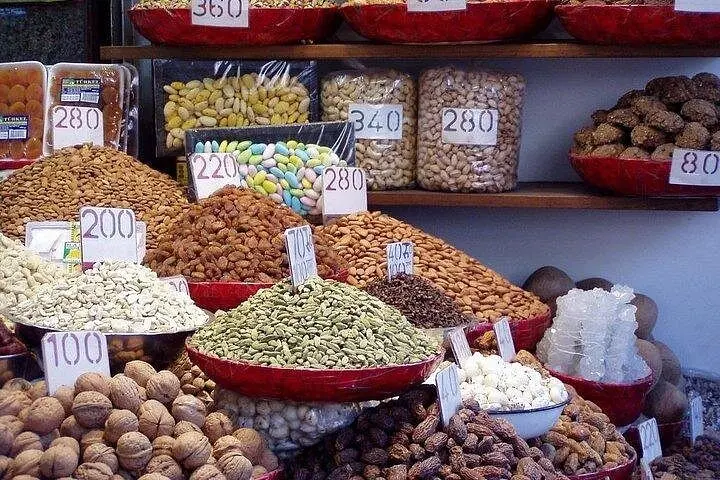
Chandni Chowk is a living chapter of Mughal Delhi; the street plan dates to Shah Jahan’s city and sits close to the Red Fort. You pass sites tied to multiple faiths: the Digambar Jain Temple with its bird hospital, the Gauri Shankar Hindu shrine, and the Sisganj Gurdwara marking a pivotal Sikh history moment. The market itself—Khari Baoli—has been Asia’s spice hub for centuries, its sacks and barrels a geological echo of the region’s alluvial plains that long supported trade and settlement.
Practicalities are direct: the tour includes round-trip private transfer in an air-conditioned vehicle and bottled water, and a professional guide steers you through narrow alleys and a short rickshaw ride. Expect crowded streets, uneven pavements and sensory overload—moderate fitness helps. Wear grippy shoes, carry a small daypack and plan for early morning or late afternoon to avoid peak heat. Respect local customs when photographing religious sites and keep belongings close in the bustle. With a cap on eight guests, the experience balances personal attention with the pulsing life of one of Delhi’s oldest commercial veins.
The walk starts and ends at Jama Masjid; round-trip private transfers to and from your hotel are included.
Crowded narrow lanes make strollers impractical; infants must sit on an adult’s lap and children should be supervised.
Yes—Khari Baoli and Chandni Chowk vendors sell spices and street food; ask your guide for reputable stalls and hygiene tips.
Cash is commonly used for small purchases and tips; tipping guides is appreciated—confirm card acceptance with your operator beforehand.
SITA World Tours operates guided outdoor trips and adventures with an emphasis on safety, stewardship, and memorable experiences.
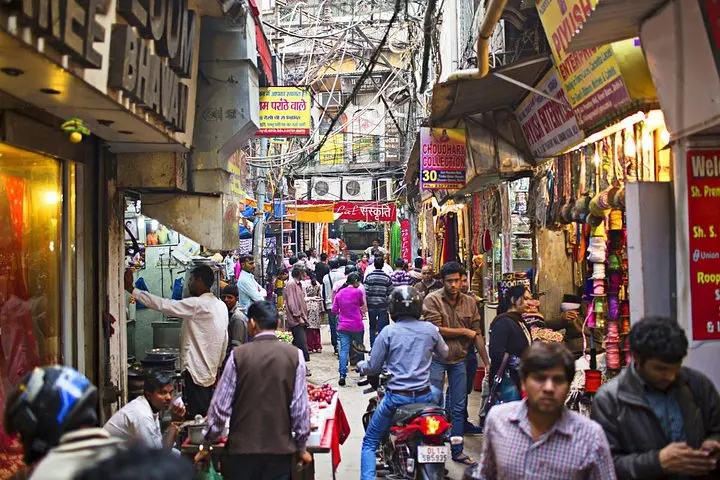
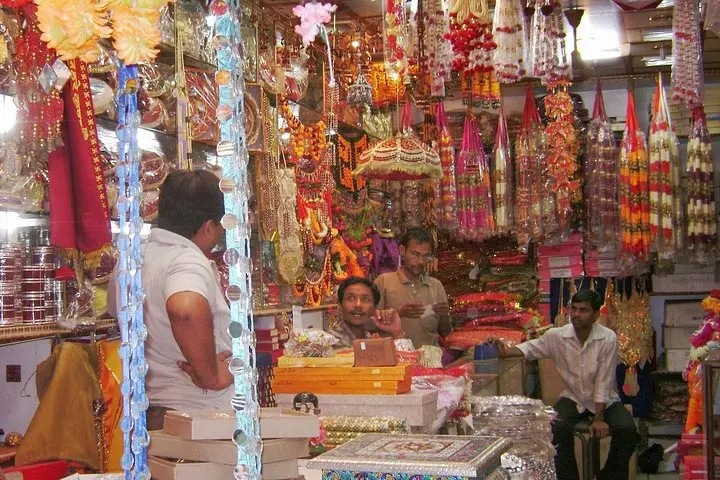
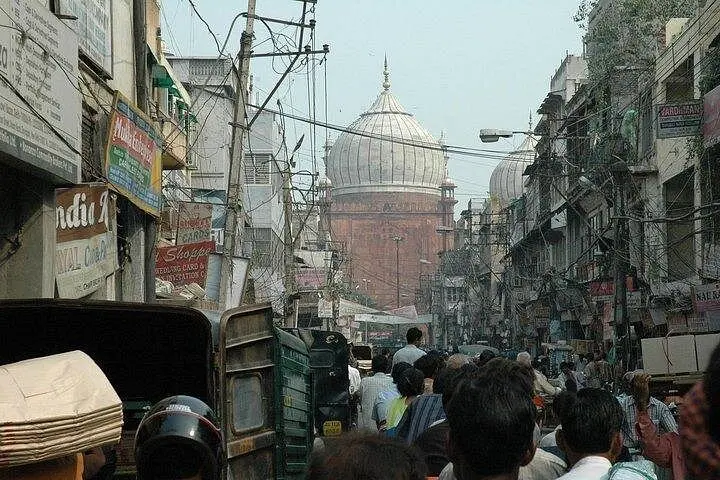
A narrow lane opens like a pulse through Old Delhi—rickshaw bells, a swirl of saffron and turmeric dust in the air, and the Jama Masjid dome cutting a sharp silhouette overhead. This three-hour guided stroll threads the busiest arteries of Chandni Chowk, starting and ending at Jama Masjid, moving past courtyards, temple facades and the stacked fronts of spice traders.
A narrow lane opens like a pulse through Old Delhi—rickshaw bells, a swirl of saffron and turmeric dust in the air, and the Jama Masjid dome cutting a sharp silhouette overhead. This three-hour guided stroll threads the busiest arteries of Chandni Chowk, starting and ending at Jama Masjid, moving past courtyards, temple facades and the stacked fronts of spice traders.
Chandni Chowk is a living chapter of Mughal Delhi; the street plan dates to Shah Jahan’s city and sits close to the Red Fort. You pass sites tied to multiple faiths: the Digambar Jain Temple with its bird hospital, the Gauri Shankar Hindu shrine, and the Sisganj Gurdwara marking a pivotal Sikh history moment. The market itself—Khari Baoli—has been Asia’s spice hub for centuries, its sacks and barrels a geological echo of the region’s alluvial plains that long supported trade and settlement.
Practicalities are direct: the tour includes round-trip private transfer in an air-conditioned vehicle and bottled water, and a professional guide steers you through narrow alleys and a short rickshaw ride. Expect crowded streets, uneven pavements and sensory overload—moderate fitness helps. Wear grippy shoes, carry a small daypack and plan for early morning or late afternoon to avoid peak heat. Respect local customs when photographing religious sites and keep belongings close in the bustle. With a cap on eight guests, the experience balances personal attention with the pulsing life of one of Delhi’s oldest commercial veins.