THE ADVENTURE COLLECTIVE® · Independent discovery and booking for outdoor travel

Put on a hanbok and step through Changdeokgung’s gates: this practical guide explains what to expect from a 1.5–4 hour palace rental, where to get the best photos, and how to plan your visit to maximize time in the gardens.
Put on a hanbok and step through Changdeokgung’s gates: this practical guide explains what to expect from a 1.5–4 hour palace rental, where to get the best photos, and how to plan your visit to maximize time in the gardens.
A light drizzle glosses the flagstones outside Changdeokgung as a cluster of color—silks and patterned collars—moves through the palace gate. Wearing a hanbok here is as much about timing as it is about textiles: the robes catch courtyard light, and the palace gardens seem to lean in, watching visitors step into a living page of Joseon-era Seoul.
Verified experiences and guided adventures in the surrounding area.
Operated by Hanboknam · Seoul, Seoul
A light drizzle glosses the flagstones outside Changdeokgung as a cluster of color—silks and patterned collars—moves through the palace gate. Wearing a hanbok here is as much about timing as it is about textiles: the robes catch courtyard light, and the palace gardens seem to lean in, watching visitors step into a living page of Joseon-era Seoul.
Changdeokgung dates to the early 15th century and later served as a principal Joseon palace; its wood pavilions and stone bridges reflect Confucian court planning more than formal symmetry. The complex’s Huwon (Secret Garden) was designed as a private landscape of ponds, terraces, and pines—an intentionally calm counterpoint to the city’s bustle. While there’s no dramatic geology, the palace sits against the rising flank of Bugaksan, giving the grounds a gentle, sloping hush.
Expect a cultural experience that blends costume, photography, and a short interpretive window into Korean dress: rentals usually run 1.5–4 hours and include basic styling, optional accessories, and locker storage. Staff will help fit sizes from S–XL and provide hair styling with themed hanbok options available for more elaborate shoots.
Practical guidance: arrive with ID, book time slots in advance to avoid peak crowding, and choose footwear you can slip on and off quickly (many areas request soft soles). Pay attention to return times—late fees apply—and treat the garments gently to avoid damage charges. For better photos, schedule a morning slot when light is soft and the palace is quieter. With straightforward preparation, a hanbok rental here turns a museum visit into a tactile, memorable cultural exchange.
Rental windows typically range from 1.5 to 4 hours during operating hours; selection and return time are strictly enforced.
Yes—hanbok is welcomed and often grants faster entry; however, follow posted rules for restricted indoor areas and avoid stepping on padded or roped-off sections.
Yes; sizes from S–XL are available for all genders, and you can choose traditional or themed hanboks and optional hair styling.
Late returns incur per-10-minute fees (rates depend on type); stains or damage will be charged according to the rental agreement—handle garments with care.
Hanboknam operates guided outdoor trips and adventures with an emphasis on safety, stewardship, and memorable experiences.
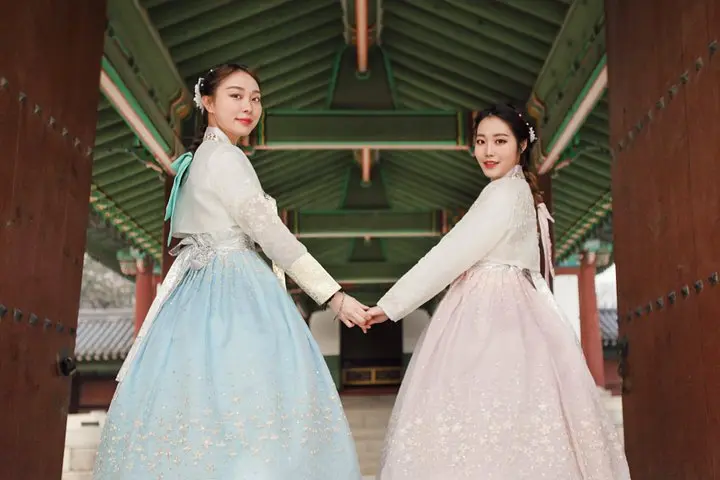
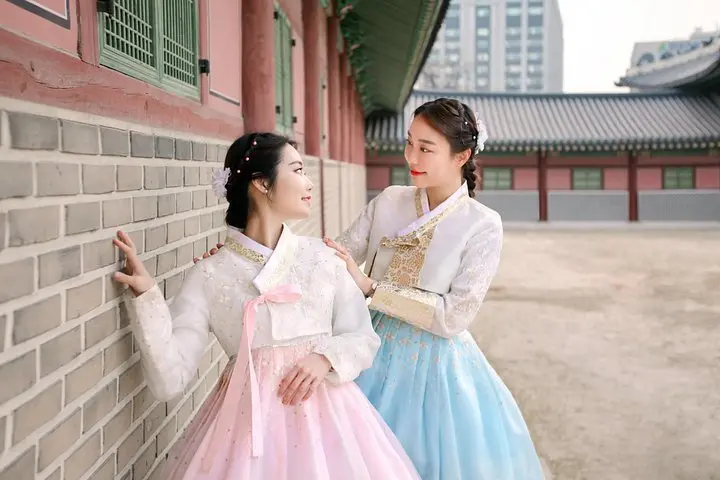
A light drizzle glosses the flagstones outside Changdeokgung as a cluster of color—silks and patterned collars—moves through the palace gate. Wearing a hanbok here is as much about timing as it is about textiles: the robes catch courtyard light, and the palace gardens seem to lean in, watching visitors step into a living page of Joseon-era Seoul.
A light drizzle glosses the flagstones outside Changdeokgung as a cluster of color—silks and patterned collars—moves through the palace gate. Wearing a hanbok here is as much about timing as it is about textiles: the robes catch courtyard light, and the palace gardens seem to lean in, watching visitors step into a living page of Joseon-era Seoul.
Changdeokgung dates to the early 15th century and later served as a principal Joseon palace; its wood pavilions and stone bridges reflect Confucian court planning more than formal symmetry. The complex’s Huwon (Secret Garden) was designed as a private landscape of ponds, terraces, and pines—an intentionally calm counterpoint to the city’s bustle. While there’s no dramatic geology, the palace sits against the rising flank of Bugaksan, giving the grounds a gentle, sloping hush.
Expect a cultural experience that blends costume, photography, and a short interpretive window into Korean dress: rentals usually run 1.5–4 hours and include basic styling, optional accessories, and locker storage. Staff will help fit sizes from S–XL and provide hair styling with themed hanbok options available for more elaborate shoots.
Practical guidance: arrive with ID, book time slots in advance to avoid peak crowding, and choose footwear you can slip on and off quickly (many areas request soft soles). Pay attention to return times—late fees apply—and treat the garments gently to avoid damage charges. For better photos, schedule a morning slot when light is soft and the palace is quieter. With straightforward preparation, a hanbok rental here turns a museum visit into a tactile, memorable cultural exchange.