THE ADVENTURE COLLECTIVE® · Independent discovery and booking for outdoor travel

Pedal through one of the world’s largest urban parks to visit Chapultepec Castle, the National Anthropology Museum and hidden cultural gems. This 3–5 hour bike tour mixes museum time with leafy lakefront rides—great for families and culture-minded cyclists.
Pedal through one of the world’s largest urban parks to visit Chapultepec Castle, the National Anthropology Museum and hidden cultural gems. This 3–5 hour bike tour mixes museum time with leafy lakefront rides—great for families and culture-minded cyclists.
The morning light in Chapultepec cuts through plane trees and varnishes the lake; your tires whisper along paved paths as the city resettles behind you. On two wheels the park opens differently — broad avenues, hidden staircases and plazas that lead to museums perched above the canopy.
Verified experiences and guided adventures in the surrounding area.
Operated by Frida Tours · Mexico City, Ciudad de México
The morning light in Chapultepec cuts through plane trees and varnishes the lake; your tires whisper along paved paths as the city resettles behind you. On two wheels the park opens differently — broad avenues, hidden staircases and plazas that lead to museums perched above the canopy.
This ride threads modern leisure with deep history: Chapultepec Hill holds a castle that was an imperial residence and battlefield, while the National Anthropology Museum collects millennia of Mesoamerican civilizations. Geologically the park sits on ancient lakebed soils that shaped Mexico City’s low, flat basin; culturally the grounds have been a civic stage since pre-Hispanic times.
Expect museum interiors—stone sculptures, Cortés-era rooms, Frida-adjacent collections—interleaved with leafy sections of Second Section Park and a stop at the Cárcamo and Tláloc fountain to study Rivera’s water murals. You’ll also take brief cable car sections for a different perspective over the park’s expanse.
Practical edge: the tour runs 3–5 hours and needs moderate fitness and confident basic bike handling. Wear closed shoes, bring sun protection, and carry a small daypack for water and documents; museums require compliant bags and may have security checks. Timing matters—start early to avoid crowds and midday heat, and check ticket inclusions if you want a specific museum entrance. This itinerary balances culture and movement, letting you pedal between epochs rather than stand in a single gallery—ideal for families and visitors who want context with their cardio.
Yes — the tour includes entrance to either the Anthropology Museum or Chapultepec Castle as specified; additional sites like the Cárcamo and certain cable car sections are listed in the itinerary.
Yes — the tour is family-friendly and noted as good for children and teens, but participants should be comfortable riding a bike and able to follow group safety instructions.
The tour lasts approximately 180–300 minutes (3–5 hours) and is rated moderate — expect several miles of relaxed cycling with museum walks and short stair climbs.
The standard shared tour includes entrance to one museum (Anthropology or Chapultepec Castle); private options may allow customized stops and additional museum entrances.
Frida Tours operates guided outdoor trips and adventures with an emphasis on safety, stewardship, and memorable experiences.
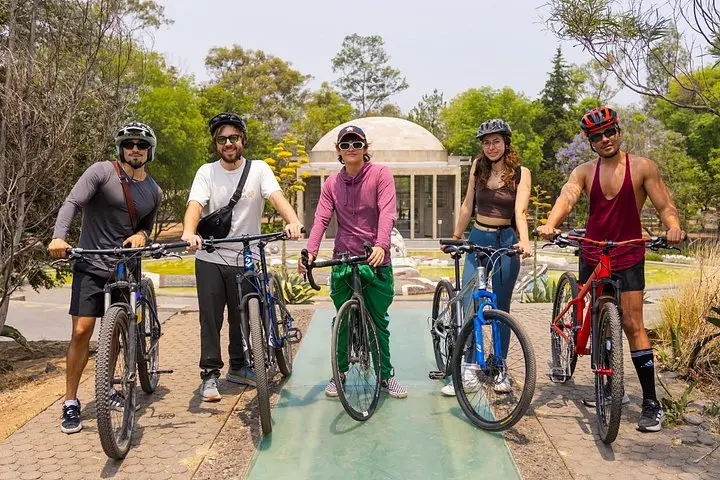
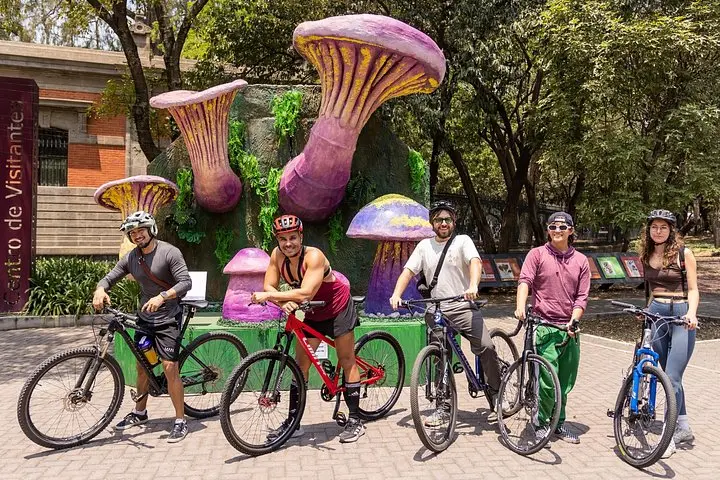
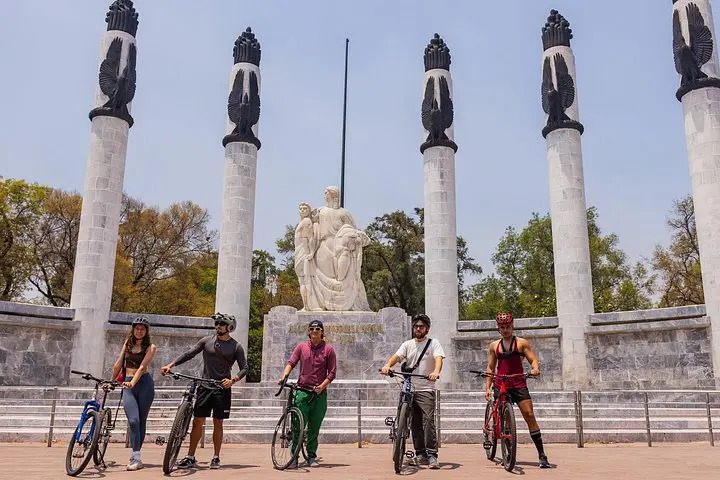
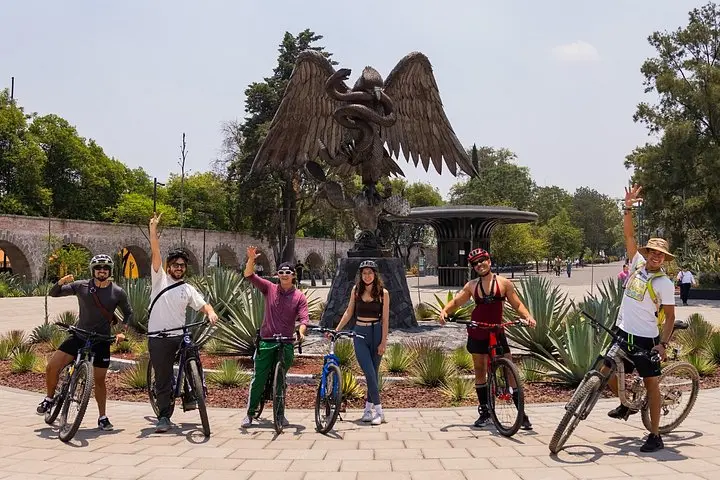
The morning light in Chapultepec cuts through plane trees and varnishes the lake; your tires whisper along paved paths as the city resettles behind you. On two wheels the park opens differently — broad avenues, hidden staircases and plazas that lead to museums perched above the canopy.
The morning light in Chapultepec cuts through plane trees and varnishes the lake; your tires whisper along paved paths as the city resettles behind you. On two wheels the park opens differently — broad avenues, hidden staircases and plazas that lead to museums perched above the canopy.
This ride threads modern leisure with deep history: Chapultepec Hill holds a castle that was an imperial residence and battlefield, while the National Anthropology Museum collects millennia of Mesoamerican civilizations. Geologically the park sits on ancient lakebed soils that shaped Mexico City’s low, flat basin; culturally the grounds have been a civic stage since pre-Hispanic times.
Expect museum interiors—stone sculptures, Cortés-era rooms, Frida-adjacent collections—interleaved with leafy sections of Second Section Park and a stop at the Cárcamo and Tláloc fountain to study Rivera’s water murals. You’ll also take brief cable car sections for a different perspective over the park’s expanse.
Practical edge: the tour runs 3–5 hours and needs moderate fitness and confident basic bike handling. Wear closed shoes, bring sun protection, and carry a small daypack for water and documents; museums require compliant bags and may have security checks. Timing matters—start early to avoid crowds and midday heat, and check ticket inclusions if you want a specific museum entrance. This itinerary balances culture and movement, letting you pedal between epochs rather than stand in a single gallery—ideal for families and visitors who want context with their cardio.