THE ADVENTURE COLLECTIVE® · Independent discovery and booking for outdoor travel

Spend a day moving between Chapultepec’s hilltop history and the National Museum of Anthropology’s sweeping galleries. This guided tour from Mexico City covers transport, entrance tickets, and expert narration across a 6–7 hour cultural route.
Spend a day moving between Chapultepec’s hilltop history and the National Museum of Anthropology’s sweeping galleries. This guided tour from Mexico City covers transport, entrance tickets, and expert narration across a 6–7 hour cultural route.
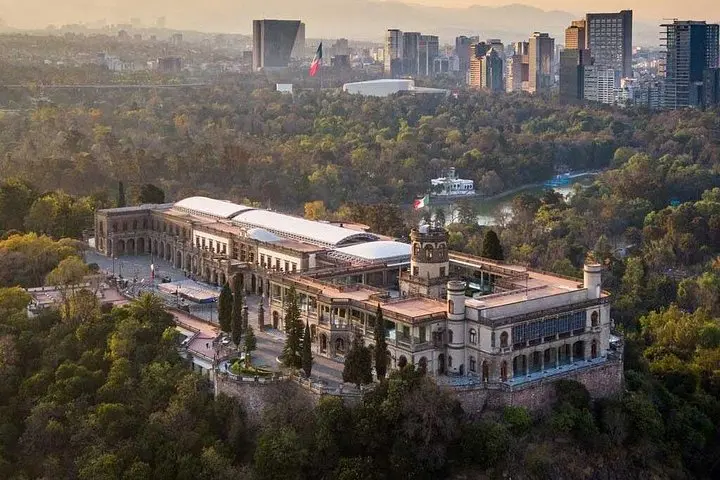
You step off the air-conditioned van and the city opens into green: Chapultepec Park stretches ahead, an unexpected forest in the center of a sprawling metropolis. The guide—on WhatsApp since the night before—leads the small group up the stone path toward Castillo de Chapultepec. The castle’s terraces catch the light, and beyond them the grid of Mexico City unfurls, volcano silhouettes soft on the horizon.
Verified experiences and guided adventures in the surrounding area.
Operated by Vive Disfruta Mexico · Mexico City, Mexico City
You step off the air-conditioned van and the city opens into green: Chapultepec Park stretches ahead, an unexpected forest in the center of a sprawling metropolis. The guide—on WhatsApp since the night before—leads the small group up the stone path toward Castillo de Chapultepec. The castle’s terraces catch the light, and beyond them the grid of Mexico City unfurls, volcano silhouettes soft on the horizon.
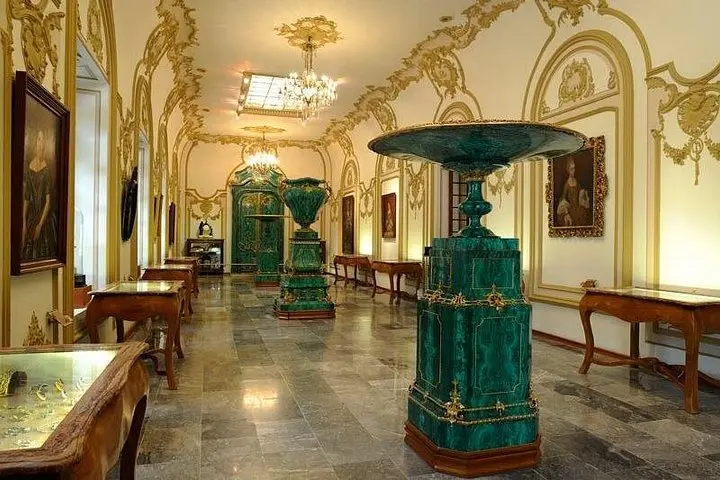
This full‑day tour pairs two of the capital’s most revealing sites. Chapultepec Hill has been a place of refuge and ritual since pre‑Hispanic times; Aztec nobility used the springs here, and later colonial and republican leaders reshaped the slopes. The castle itself was refashioned by viceroys, became Emperor Maximilian’s residence in the 1860s, and then the official president’s home until 1940—its rooms are a timeline of Mexico’s political and architectural shifts.
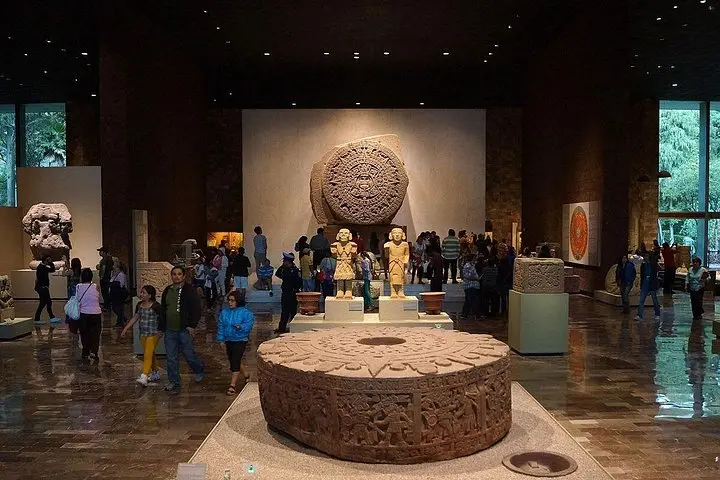
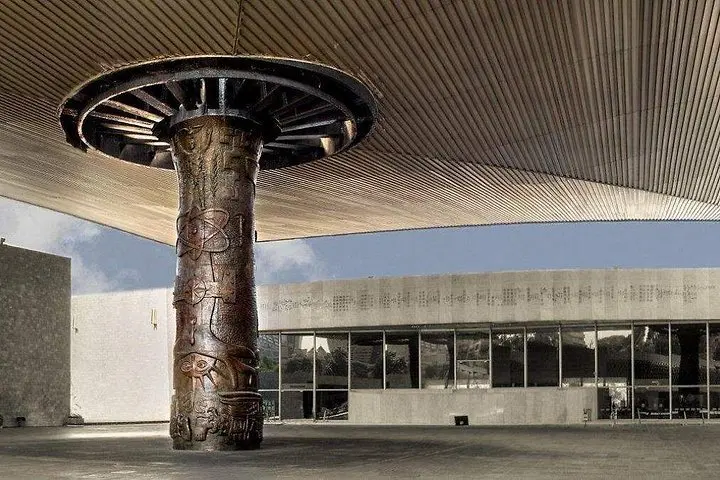
Equally indispensable is the National Museum of Anthropology. Opened in the 1960s on a modernist platform, its halls house stone sculptures, Teotihuacan relics, and the Aztec calendar stone under a cavernous, cantilevered roof. Exhibits don’t just display artifacts; they frame the practices, languages, and cosmologies that persist in contemporary Mexico.
Geology shapes both stops: Chapultepec sits on the ancient lakebed that formed much of the Valley of Mexico, its basalt and volcanic deposits visible on paths and outcrops. The museum’s design deliberately places artifacts against light and shadow to evoke temporal depth, asking visitors to move slowly and read context as much as object labels.
Practicalities: expect a 6–7 hour outing with roundtrip transport from central CDMX. The tour includes entrance tickets and an English‑speaking guide; pickup is coordinated via WhatsApp, so confirm your hotel address and mobile number a day before. Wear broken‑in walking shoes—there’s uneven stone at the castle and long gallery floors at the museum. Carry a refillable water bottle, sunscreen, and an ID for any discounts. Security screenings are standard at both sites; plan for lines, arrive early to beat the busiest hours, and remember the tour requires a minimum of two participants.
Culturally, let small courtyards and mural walls dictate your pace—ask about the portraits, ask how objects were recovered—and give vendors space at the park edge; many are artisans working in traditional crafts. For photographers, terraces and museum skylights offer crisp compositions; for travelers, the rhythm of lawns, museums, and viewpoints makes this a day where history feels present and manageable. By sunset, you’ll return to the city with fresh context for its streets, monuments, and the long human story that shaped them.
Yes—tickets to Chapultepec Castle and the National Museum of Anthropology are included in the tour price.
You must message the tour operator via WhatsApp at +52 442 540 2477 the night before to confirm pickup time and location.
The tour notes stroller access and is suitable for most fitness levels, but the castle includes stairs and uneven surfaces—contact the operator to discuss specific accessibility needs.
Guides typically operate in Spanish and English; confirm language preference when you book or via the WhatsApp contact.
The tour requires a minimum of two people; if the minimum isn't reached the trip will be canceled and payments refunded.
Small backpacks are usually allowed but may be subject to security checks; large bags might need to be checked or left at lockers.
Vive Disfruta Mexico operates guided outdoor trips and adventures with an emphasis on safety, stewardship, and memorable experiences.
You step off the air-conditioned van and the city opens into green: Chapultepec Park stretches ahead, an unexpected forest in the center of a sprawling metropolis. The guide—on WhatsApp since the night before—leads the small group up the stone path toward Castillo de Chapultepec. The castle’s terraces catch the light, and beyond them the grid of Mexico City unfurls, volcano silhouettes soft on the horizon.
You step off the air-conditioned van and the city opens into green: Chapultepec Park stretches ahead, an unexpected forest in the center of a sprawling metropolis. The guide—on WhatsApp since the night before—leads the small group up the stone path toward Castillo de Chapultepec. The castle’s terraces catch the light, and beyond them the grid of Mexico City unfurls, volcano silhouettes soft on the horizon.
This full‑day tour pairs two of the capital’s most revealing sites. Chapultepec Hill has been a place of refuge and ritual since pre‑Hispanic times; Aztec nobility used the springs here, and later colonial and republican leaders reshaped the slopes. The castle itself was refashioned by viceroys, became Emperor Maximilian’s residence in the 1860s, and then the official president’s home until 1940—its rooms are a timeline of Mexico’s political and architectural shifts.
Equally indispensable is the National Museum of Anthropology. Opened in the 1960s on a modernist platform, its halls house stone sculptures, Teotihuacan relics, and the Aztec calendar stone under a cavernous, cantilevered roof. Exhibits don’t just display artifacts; they frame the practices, languages, and cosmologies that persist in contemporary Mexico.
Geology shapes both stops: Chapultepec sits on the ancient lakebed that formed much of the Valley of Mexico, its basalt and volcanic deposits visible on paths and outcrops. The museum’s design deliberately places artifacts against light and shadow to evoke temporal depth, asking visitors to move slowly and read context as much as object labels.
Practicalities: expect a 6–7 hour outing with roundtrip transport from central CDMX. The tour includes entrance tickets and an English‑speaking guide; pickup is coordinated via WhatsApp, so confirm your hotel address and mobile number a day before. Wear broken‑in walking shoes—there’s uneven stone at the castle and long gallery floors at the museum. Carry a refillable water bottle, sunscreen, and an ID for any discounts. Security screenings are standard at both sites; plan for lines, arrive early to beat the busiest hours, and remember the tour requires a minimum of two participants.
Culturally, let small courtyards and mural walls dictate your pace—ask about the portraits, ask how objects were recovered—and give vendors space at the park edge; many are artisans working in traditional crafts. For photographers, terraces and museum skylights offer crisp compositions; for travelers, the rhythm of lawns, museums, and viewpoints makes this a day where history feels present and manageable. By sunset, you’ll return to the city with fresh context for its streets, monuments, and the long human story that shaped them.