THE ADVENTURE COLLECTIVE® · Independent discovery and booking for outdoor travel

Climb above the Chili River in the Chilina Valley and trade Arequipa’s plaza for volcanic ridgelines. Charcani offers three hours of guided rock climbing—routes for first-timers and experienced climbers—with sweeping views of the region’s volcanoes.
Climb above the Chili River in the Chilina Valley and trade Arequipa’s plaza for volcanic ridgelines. Charcani offers three hours of guided rock climbing—routes for first-timers and experienced climbers—with sweeping views of the region’s volcanoes.
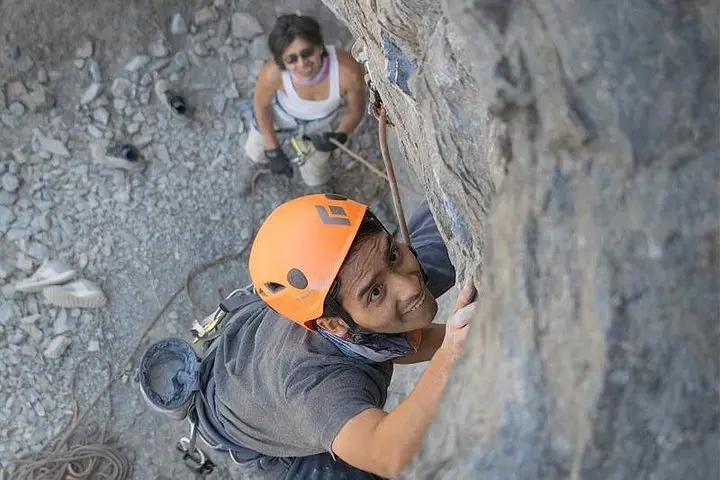
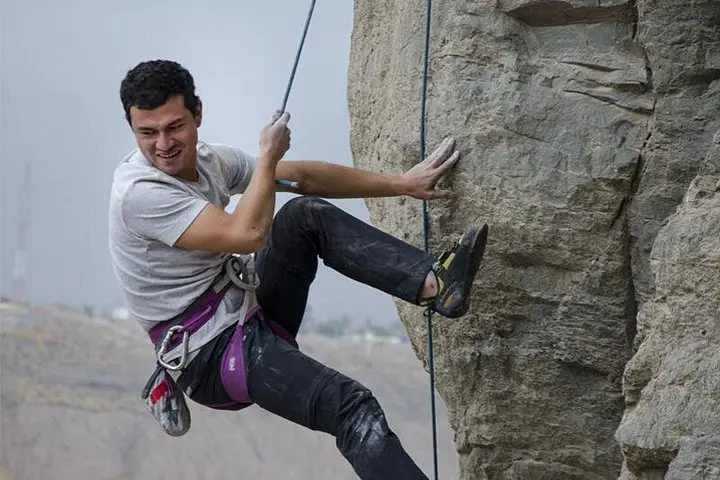
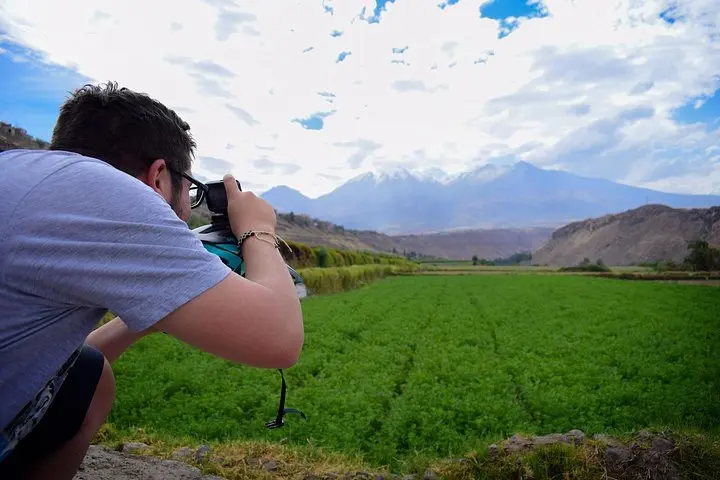
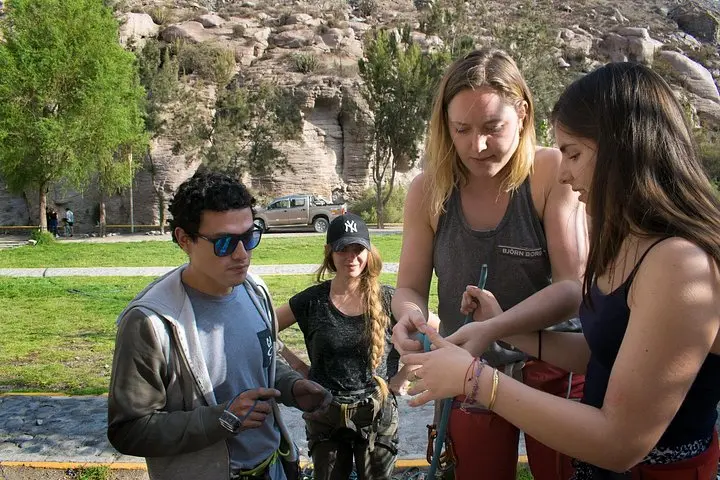
You step out of the van and the city noise thins. The Chili River runs dark and fast below, carving a narrow valley that opens to a row of volcanic shoulders—Misti, Chachani and Pichu Pichu—watching like old sentries. Charcani's cliffs rise abruptly from scrub and terraced fields; bolts glint in the sun and the wind carries the smell of baked earth. Guides unfurl ropes, fit harnesses and introduce basic commands, and in thirty minutes the first climber is moving up a smooth wall that gives and holds like well-tempered stone.
Verified experiences and guided adventures in the surrounding area.
Operated by SKY VIAJES Y TURISMO · Arequipa, Arequipa
You step out of the van and the city noise thins. The Chili River runs dark and fast below, carving a narrow valley that opens to a row of volcanic shoulders—Misti, Chachani and Pichu Pichu—watching like old sentries. Charcani's cliffs rise abruptly from scrub and terraced fields; bolts glint in the sun and the wind carries the smell of baked earth. Guides unfurl ropes, fit harnesses and introduce basic commands, and in thirty minutes the first climber is moving up a smooth wall that gives and holds like well-tempered stone.
This stretch of the Chilina Valley sits at the edge of Arequipa's high desert, a landscape shaped by repeated volcanic eruptions and the patient work of the river. Much of the built environment in Arequipa uses sillar—a light volcanic tuff—so the rock here has the same volcanic origin but can vary from compact and grippy to crumbly in places. The Sanctuary of the Virgen de Chapi nearby has been a pilgrimage site for centuries, and the valley fields below still run on canal irrigation systems introduced before the colonial era.
Charcani is deliberately accessible: routes range from gentle top-rope lines for first-timers to steeper sport climbs for more experienced hands. Climbs are short but concentrated, which makes the area perfect for a half-day outing followed by a late lunch back in town. Expect panoramic city-to-volcano views at each belay; the landscape gives itself slowly and rewards attention.
Practical notes: the activity lasts about four hours including transport and instruction, with roughly three hours on the wall. Arequipa sits at 2,300–2,400 meters, so light breathlessness is normal—move deliberately until you acclimatize. The operator provides full climbing equipment and shoes, but bring a daypack with water, sun protection and a warm midlayer for the wind-exposed belay stations. Groups are small (max eight) and guides tailor problems to ability, running a quick skills session for novices before sending you up.
Timing matters: mornings are calmer and drier during the rainy season; afternoons can bring squalls. Leave room in your day to stroll Arequipa’s colonial center after returning—the plaza and local picanterías make a fine reward for climbed routes.
If you're a first-time climber or a seasoned lead climber wanting short sport lines with dramatic views, Charcani delivers one of Arequipa’s most efficient outdoor escapes: a compact climbing day that pairs technical movement with volcanic panoramas and a direct line back into town.
No—guides provide an introductory training session and fit equipment; routes are chosen to match each participant's skill level.
Full climbing equipment, rock shoes, helmets, guide service, snacks and hotel pickup within Arequipa are included.
Routes range from beginner-friendly top-rope lines to steeper sport routes for more advanced climbers; difficulty is tailored during the session.
The Chilina Valley is a short drive from central Arequipa—plan on roughly 20–40 minutes depending on traffic and pickup location.
Yes—Arequipa sits around 2,300–2,400 m. Those prone to altitude sickness should take it easy beforehand and hydrate well.
Older children and fit teens can usually participate, but operators require details on height and weight and may limit participation for safety.
SKY VIAJES Y TURISMO operates guided outdoor trips and adventures with an emphasis on safety, stewardship, and memorable experiences.
You step out of the van and the city noise thins. The Chili River runs dark and fast below, carving a narrow valley that opens to a row of volcanic shoulders—Misti, Chachani and Pichu Pichu—watching like old sentries. Charcani's cliffs rise abruptly from scrub and terraced fields; bolts glint in the sun and the wind carries the smell of baked earth. Guides unfurl ropes, fit harnesses and introduce basic commands, and in thirty minutes the first climber is moving up a smooth wall that gives and holds like well-tempered stone.
You step out of the van and the city noise thins. The Chili River runs dark and fast below, carving a narrow valley that opens to a row of volcanic shoulders—Misti, Chachani and Pichu Pichu—watching like old sentries. Charcani's cliffs rise abruptly from scrub and terraced fields; bolts glint in the sun and the wind carries the smell of baked earth. Guides unfurl ropes, fit harnesses and introduce basic commands, and in thirty minutes the first climber is moving up a smooth wall that gives and holds like well-tempered stone.
This stretch of the Chilina Valley sits at the edge of Arequipa's high desert, a landscape shaped by repeated volcanic eruptions and the patient work of the river. Much of the built environment in Arequipa uses sillar—a light volcanic tuff—so the rock here has the same volcanic origin but can vary from compact and grippy to crumbly in places. The Sanctuary of the Virgen de Chapi nearby has been a pilgrimage site for centuries, and the valley fields below still run on canal irrigation systems introduced before the colonial era.
Charcani is deliberately accessible: routes range from gentle top-rope lines for first-timers to steeper sport climbs for more experienced hands. Climbs are short but concentrated, which makes the area perfect for a half-day outing followed by a late lunch back in town. Expect panoramic city-to-volcano views at each belay; the landscape gives itself slowly and rewards attention.
Practical notes: the activity lasts about four hours including transport and instruction, with roughly three hours on the wall. Arequipa sits at 2,300–2,400 meters, so light breathlessness is normal—move deliberately until you acclimatize. The operator provides full climbing equipment and shoes, but bring a daypack with water, sun protection and a warm midlayer for the wind-exposed belay stations. Groups are small (max eight) and guides tailor problems to ability, running a quick skills session for novices before sending you up.
Timing matters: mornings are calmer and drier during the rainy season; afternoons can bring squalls. Leave room in your day to stroll Arequipa’s colonial center after returning—the plaza and local picanterías make a fine reward for climbed routes.
If you're a first-time climber or a seasoned lead climber wanting short sport lines with dramatic views, Charcani delivers one of Arequipa’s most efficient outdoor escapes: a compact climbing day that pairs technical movement with volcanic panoramas and a direct line back into town.