THE ADVENTURE COLLECTIVE® · Independent discovery and booking for outdoor travel

Wander Charleston’s narrow alleys and discover Rainbow Row, historic courtyards, and off‑beat passages on this intimate two-hour walking tour. Perfect for history lovers and photographers who want a quieter, up‑close look at the city’s layered past.
Wander Charleston’s narrow alleys and discover Rainbow Row, historic courtyards, and off‑beat passages on this intimate two-hour walking tour. Perfect for history lovers and photographers who want a quieter, up‑close look at the city’s layered past.
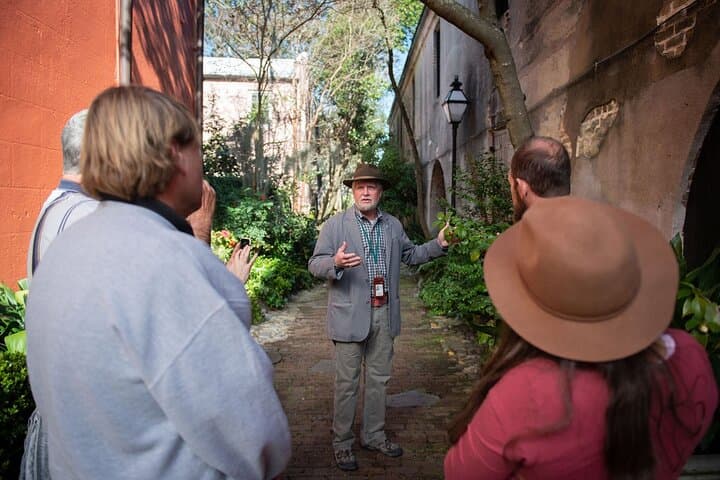
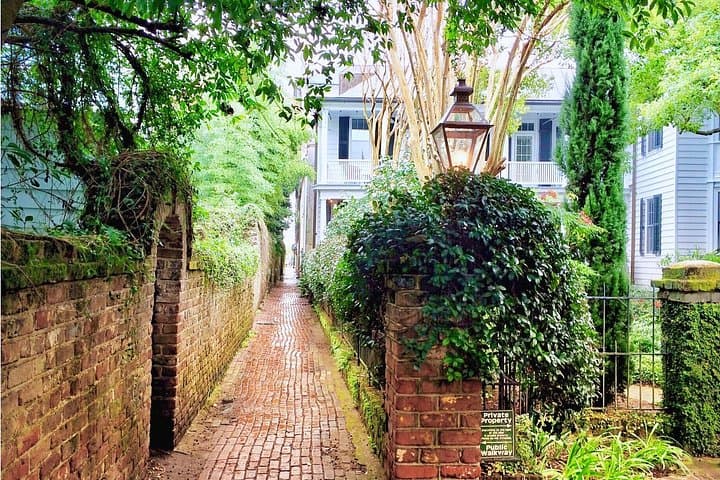
You meet under the shade tree north of the Old Exchange Building, the bench wobbling gently on weathered cobbles. The guide unfurls a map as gulls wheel above the Cooper River; ahead are narrow lanes where brick walls, wrought iron, and shuttered homes press close enough to hear footsteps echo.
Verified experiences and guided adventures in the surrounding area.
Operated by Lowcountry Walking Tours · Charleston, South Carolina
You meet under the shade tree north of the Old Exchange Building, the bench wobbling gently on weathered cobbles. The guide unfurls a map as gulls wheel above the Cooper River; ahead are narrow lanes where brick walls, wrought iron, and shuttered homes press close enough to hear footsteps echo.
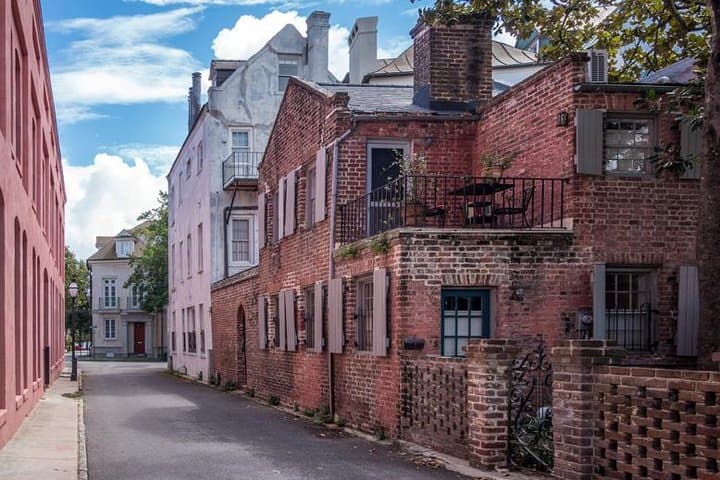
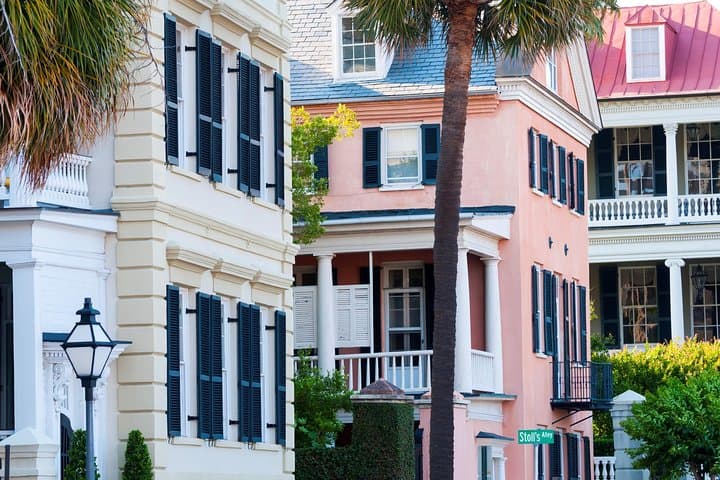
This two-hour walk threads through Charleston’s Historic District — South of Broad and the French Quarter — slipping into four to six alleys that reveal everyday sightlines missed from the main streets. The route passes Rainbow Row’s pastel facades, the Old Exchange’s Georgian face, and Philadelphia Alley’s compressed intimacy. Charleston’s story is visible here: port-era commerce, antebellum wealth, and the layered culture of the Lowcountry, including Gullah influences visible in crafts and place names.
Geologically the city occupies a low sandy peninsula between tidal rivers, so expect flat terrain, cobbles, and occasional raised sidewalks. The architecture ranges from Georgian to Federal and Greek Revival; the alleys were practical passages for tradespeople and now offer cooler microclimates in summer.
Practical guide: arrive 15 minutes early at 122 E Bay St; tours leave promptly. Wear supportive shoes for uneven cobbles, bring water and sun protection, and be prepared to pause for photography without blocking narrow paths. Small-group size (max ~13) keeps the pace conversational but stay mindful of residents — many alleys are adjacent to private homes. Morning or late-afternoon departures are best for softer light and cooler temperatures.
Meet on the north side of the Old Exchange Building at 122 E Bay St (corner of Gillon St and East Bay St); tours both start and finish there.
Yes; the tour is stroller-accessible but cobbles can be bumpy — infants and small children should be supervised.
No — stops include exterior views of sites like Rainbow Row and Philadephia Alley; the tour does not enter buildings.
Generally up to about 13 guests, which keeps the experience conversational and intimate.
Lowcountry Walking Tours operates guided outdoor trips and adventures with an emphasis on safety, stewardship, and memorable experiences.
You meet under the shade tree north of the Old Exchange Building, the bench wobbling gently on weathered cobbles. The guide unfurls a map as gulls wheel above the Cooper River; ahead are narrow lanes where brick walls, wrought iron, and shuttered homes press close enough to hear footsteps echo.
You meet under the shade tree north of the Old Exchange Building, the bench wobbling gently on weathered cobbles. The guide unfurls a map as gulls wheel above the Cooper River; ahead are narrow lanes where brick walls, wrought iron, and shuttered homes press close enough to hear footsteps echo.
This two-hour walk threads through Charleston’s Historic District — South of Broad and the French Quarter — slipping into four to six alleys that reveal everyday sightlines missed from the main streets. The route passes Rainbow Row’s pastel facades, the Old Exchange’s Georgian face, and Philadelphia Alley’s compressed intimacy. Charleston’s story is visible here: port-era commerce, antebellum wealth, and the layered culture of the Lowcountry, including Gullah influences visible in crafts and place names.
Geologically the city occupies a low sandy peninsula between tidal rivers, so expect flat terrain, cobbles, and occasional raised sidewalks. The architecture ranges from Georgian to Federal and Greek Revival; the alleys were practical passages for tradespeople and now offer cooler microclimates in summer.
Practical guide: arrive 15 minutes early at 122 E Bay St; tours leave promptly. Wear supportive shoes for uneven cobbles, bring water and sun protection, and be prepared to pause for photography without blocking narrow paths. Small-group size (max ~13) keeps the pace conversational but stay mindful of residents — many alleys are adjacent to private homes. Morning or late-afternoon departures are best for softer light and cooler temperatures.