THE ADVENTURE COLLECTIVE® · Independent discovery and booking for outdoor travel

A three‑hour, walkable brunch tour through Upper King Street that pairs historic architecture with modern Southern bites — warm biscuits, creamy shrimp and grits, and a secret dish. Ideal for food lovers who want a paced, local introduction to Charleston’s evolving culinary scene.
A three‑hour, walkable brunch tour through Upper King Street that pairs historic architecture with modern Southern bites — warm biscuits, creamy shrimp and grits, and a secret dish. Ideal for food lovers who want a paced, local introduction to Charleston’s evolving culinary scene.
You step onto King Street and the city speaks in clinks and steam—espresso machines, a biscuit oven sighing open, conversations folding around historic brick facades. The tour begins in front of the William Aiken House and moves north along Upper King, where a three‑hour loop threads contemporary restaurants through preserved antebellum architecture.
Verified experiences and guided adventures in the surrounding area.
Operated by Secret Food Tours · Charleston, South Carolina
You step onto King Street and the city speaks in clinks and steam—espresso machines, a biscuit oven sighing open, conversations folding around historic brick facades. The tour begins in front of the William Aiken House and moves north along Upper King, where a three‑hour loop threads contemporary restaurants through preserved antebellum architecture.
King Street itself is more than a culinary strip; it’s a living timeline. Once named for the King of England, the avenue grew alongside Charleston’s railroad and mercantile boom; the William Aiken House and depot buildings nearby recall that industrial heritage. Geologically, Charleston sits on low, riverine coastal plain—streets rise only a few feet above sea level—so urban growth here has always wrestled with tides and sediment that shaped its marshy margins.
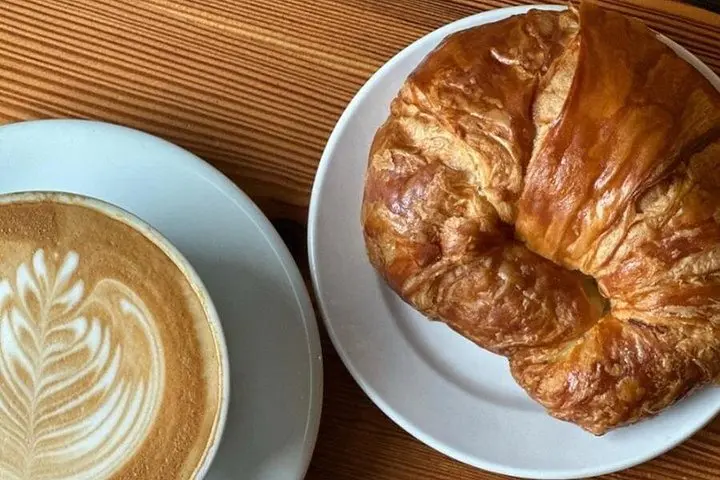
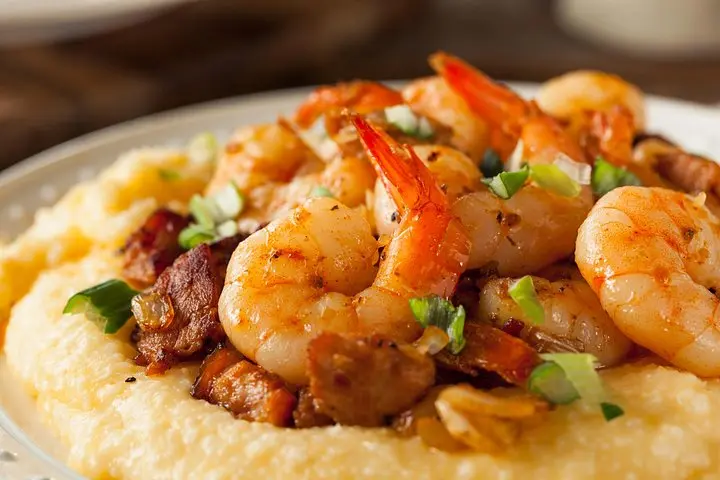
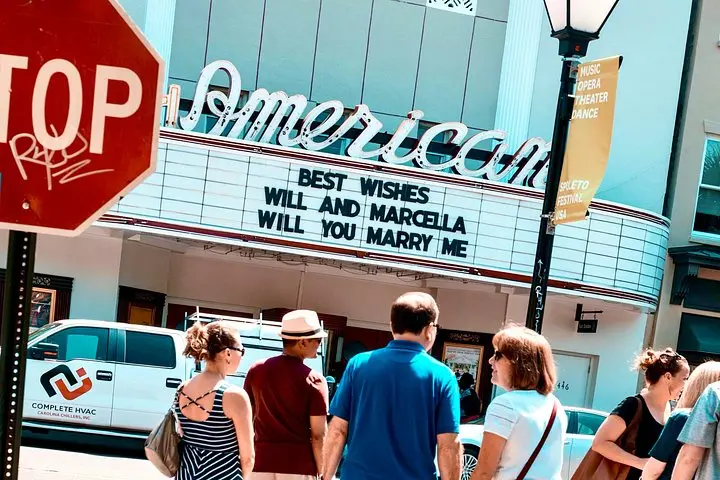
Culturally, Upper King is where modern Southern cuisine experiments with local shrimp, grits, pimento cheese and seasonal produce. Guides point out restored movie palaces, converted warehouses, and quiet courtyards hiding behind storefronts. Expect bites that range from warm flaky biscuits to creamy shrimp and grits, plus a secret dish and regional drinks.
Practical guide: the route covers roughly 1.5–2 miles of mostly flat, paved sidewalks with frequent stops. Wear comfortable walking shoes, carry a small bottle of water, and arrive 15 minutes early to check in. The tour accommodates most dietary needs if notified in advance but is not wheelchair accessible. Best taken mid‑morning on weekdays to avoid heavy crowds; allow extra time afterward for shopping or Marion Square’s farmers market.
Yes — the operator asks that you contact them before the tour to arrange alternatives; some substitutions are available but require advance notice.
No — the route involves a fair amount of walking and is not suitable for guests requiring wheelchair access or special assistance.
Some locations may offer a small alcoholic beverage as part of tastings, but availability depends on venue policies and the local legal drinking age of 21.
Expect approximately 1.5–2 miles total over three hours with frequent stops for sampling and short talks from the guide.
Secret Food Tours operates guided outdoor trips and adventures with an emphasis on safety, stewardship, and memorable experiences.

You step onto King Street and the city speaks in clinks and steam—espresso machines, a biscuit oven sighing open, conversations folding around historic brick facades. The tour begins in front of the William Aiken House and moves north along Upper King, where a three‑hour loop threads contemporary restaurants through preserved antebellum architecture.
You step onto King Street and the city speaks in clinks and steam—espresso machines, a biscuit oven sighing open, conversations folding around historic brick facades. The tour begins in front of the William Aiken House and moves north along Upper King, where a three‑hour loop threads contemporary restaurants through preserved antebellum architecture.
King Street itself is more than a culinary strip; it’s a living timeline. Once named for the King of England, the avenue grew alongside Charleston’s railroad and mercantile boom; the William Aiken House and depot buildings nearby recall that industrial heritage. Geologically, Charleston sits on low, riverine coastal plain—streets rise only a few feet above sea level—so urban growth here has always wrestled with tides and sediment that shaped its marshy margins.
Culturally, Upper King is where modern Southern cuisine experiments with local shrimp, grits, pimento cheese and seasonal produce. Guides point out restored movie palaces, converted warehouses, and quiet courtyards hiding behind storefronts. Expect bites that range from warm flaky biscuits to creamy shrimp and grits, plus a secret dish and regional drinks.
Practical guide: the route covers roughly 1.5–2 miles of mostly flat, paved sidewalks with frequent stops. Wear comfortable walking shoes, carry a small bottle of water, and arrive 15 minutes early to check in. The tour accommodates most dietary needs if notified in advance but is not wheelchair accessible. Best taken mid‑morning on weekdays to avoid heavy crowds; allow extra time afterward for shopping or Marion Square’s farmers market.