THE ADVENTURE COLLECTIVE® · Independent discovery and booking for outdoor travel

Explore Charleston on a two-hour walking tour that pairs colonial architecture with the plants and people who shaped the city. Learn how gardens signaled status, which species were imported, and the role of gardeners in Charleston’s history.
Explore Charleston on a two-hour walking tour that pairs colonial architecture with the plants and people who shaped the city. Learn how gardens signaled status, which species were imported, and the role of gardeners in Charleston’s history.
Morning light spills across brick alleys and the live oaks bow their branches over narrow streets as a guide leads a small group from Washington Square Park. The city breathes history here—salt air off the Cooper River, clipped hedges beside 18th-century facades—and the tour pairs Charleston’s human story with the plants that helped shape it.
Verified experiences and guided adventures in the surrounding area.
Operated by Charleston History and Horticultural Tours · Charleston, South Carolina
Morning light spills across brick alleys and the live oaks bow their branches over narrow streets as a guide leads a small group from Washington Square Park. The city breathes history here—salt air off the Cooper River, clipped hedges beside 18th-century facades—and the tour pairs Charleston’s human story with the plants that helped shape it.
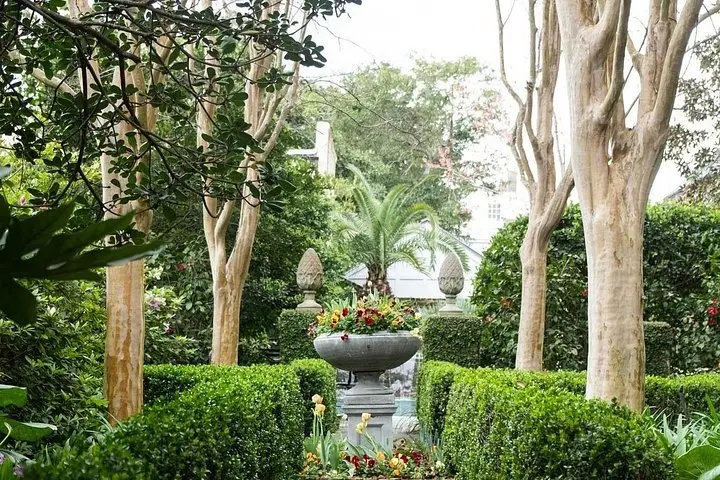
Walkers move through rows of preserved homes and hidden alleys while learning why settlers chose this harbor, how wealth from trade translated into formal gardens, and how European nurserymen and colonial correspondents like John Bartram exchanged species across the Atlantic. Architecture and horticulture intertwine: gambrel roofs, ironwork, and brick gardens reflect status and survival in a city that endured wars, hurricanes, and economic shifts.
The guide stops at house museums, points out historic live oaks that shaded early landings, and explains sites tied to the Revolution and Civil War. Expect clear explanations of plant provenance—camellias, magnolias, and palms—and how enslaved and immigrant gardeners influenced Charleston’s landscapes.
Practical side: this is a two-hour, primarily on-foot, outdoor tour with intermittent photo stops and short walks down uneven pavements and cobblestones. Comfortable shoes and sun protection matter; much of the interpretation happens outdoors with no building entrances included. Mornings are cooler and quieter; late afternoons bring softer light for photography. Bring a refillable water bottle, wear layers for coastal breezes, and allow extra time before or after the tour to explore nearby museums and the waterfront promenade.
The tour lasts about two hours and starts at Washington Square Park next to Charleston City Hall.
No—this is an outdoor walking tour and does not include interior admissions; there will be stops for photos and interpretation only.
Infants and small children can use strollers, but parts of the route include narrow alleys and uneven pavement that may be challenging.
The tour may be canceled for severe weather; check cancellation policy and consider booking earlier or later in the day to avoid storms.
Charleston History and Horticultural Tours operates guided outdoor trips and adventures with an emphasis on safety, stewardship, and memorable experiences.
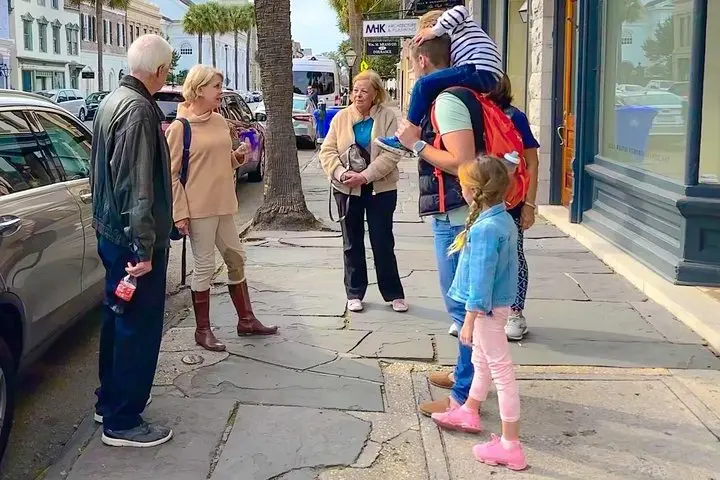
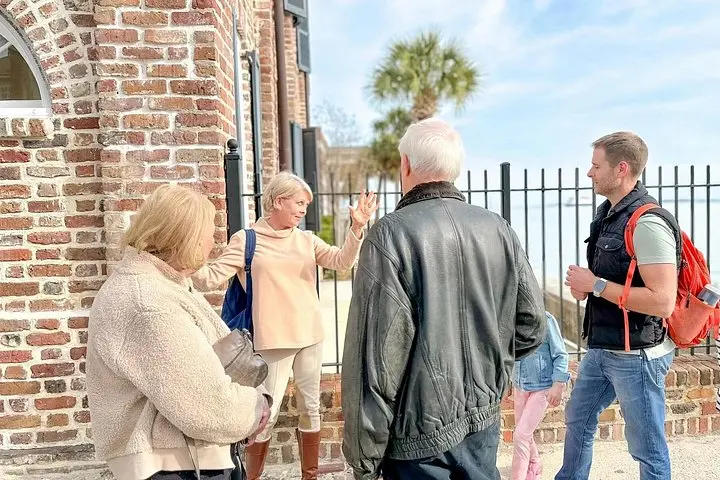
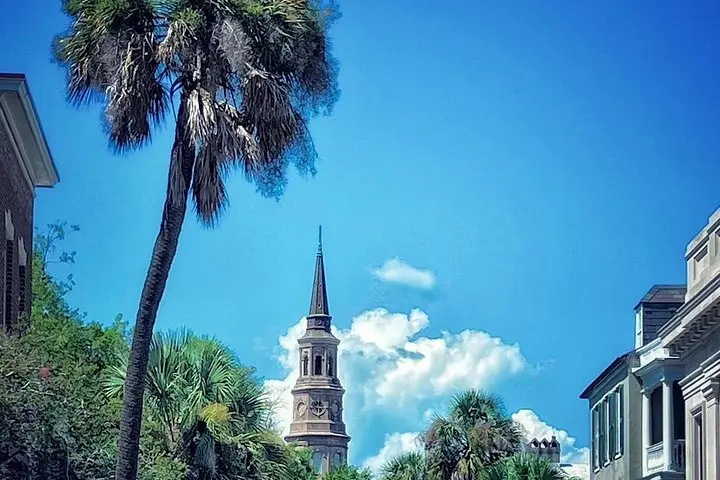
Morning light spills across brick alleys and the live oaks bow their branches over narrow streets as a guide leads a small group from Washington Square Park. The city breathes history here—salt air off the Cooper River, clipped hedges beside 18th-century facades—and the tour pairs Charleston’s human story with the plants that helped shape it.
Morning light spills across brick alleys and the live oaks bow their branches over narrow streets as a guide leads a small group from Washington Square Park. The city breathes history here—salt air off the Cooper River, clipped hedges beside 18th-century facades—and the tour pairs Charleston’s human story with the plants that helped shape it.
Walkers move through rows of preserved homes and hidden alleys while learning why settlers chose this harbor, how wealth from trade translated into formal gardens, and how European nurserymen and colonial correspondents like John Bartram exchanged species across the Atlantic. Architecture and horticulture intertwine: gambrel roofs, ironwork, and brick gardens reflect status and survival in a city that endured wars, hurricanes, and economic shifts.
The guide stops at house museums, points out historic live oaks that shaded early landings, and explains sites tied to the Revolution and Civil War. Expect clear explanations of plant provenance—camellias, magnolias, and palms—and how enslaved and immigrant gardeners influenced Charleston’s landscapes.
Practical side: this is a two-hour, primarily on-foot, outdoor tour with intermittent photo stops and short walks down uneven pavements and cobblestones. Comfortable shoes and sun protection matter; much of the interpretation happens outdoors with no building entrances included. Mornings are cooler and quieter; late afternoons bring softer light for photography. Bring a refillable water bottle, wear layers for coastal breezes, and allow extra time before or after the tour to explore nearby museums and the waterfront promenade.