THE ADVENTURE COLLECTIVE® · Independent discovery and booking for outdoor travel

Walk two hours through Charleston’s painted streets and seawalls, hearing stories of merchants, Gullah culture, and Civil War defenses. This small-group tour blends close-up architecture with local lore and practical tips for getting the most out of a city walk.
Walk two hours through Charleston’s painted streets and seawalls, hearing stories of merchants, Gullah culture, and Civil War defenses. This small-group tour blends close-up architecture with local lore and practical tips for getting the most out of a city walk.
You step off Meeting Street into a pulse of painted brick and live oaks, the harbor breathing salt and history into the air. Guides lead the group along cobblestone lanes where merchants, soldiers and freed people once moved—each alleyway giving up an anecdote, each house a scar from centuries of change.
Verified experiences and guided adventures in the surrounding area.
Operated by Charleston History Tours · Charleston, South Carolina
You step off Meeting Street into a pulse of painted brick and live oaks, the harbor breathing salt and history into the air. Guides lead the group along cobblestone lanes where merchants, soldiers and freed people once moved—each alleyway giving up an anecdote, each house a scar from centuries of change.
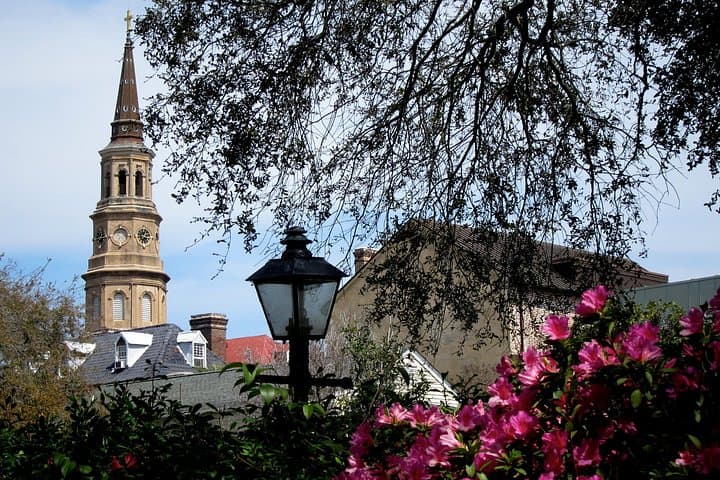
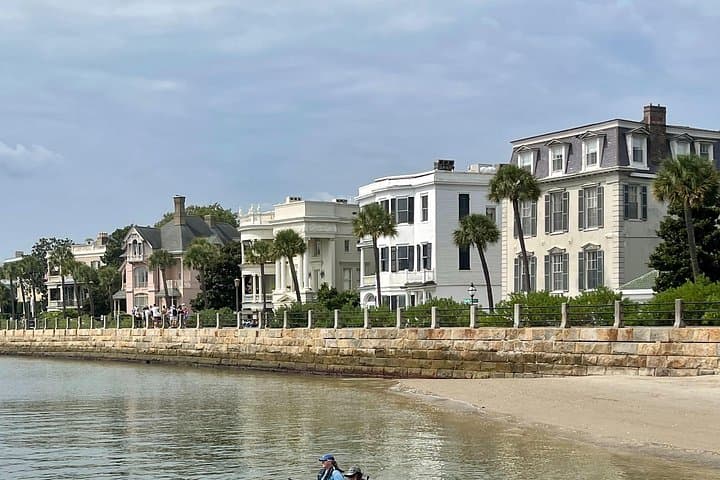
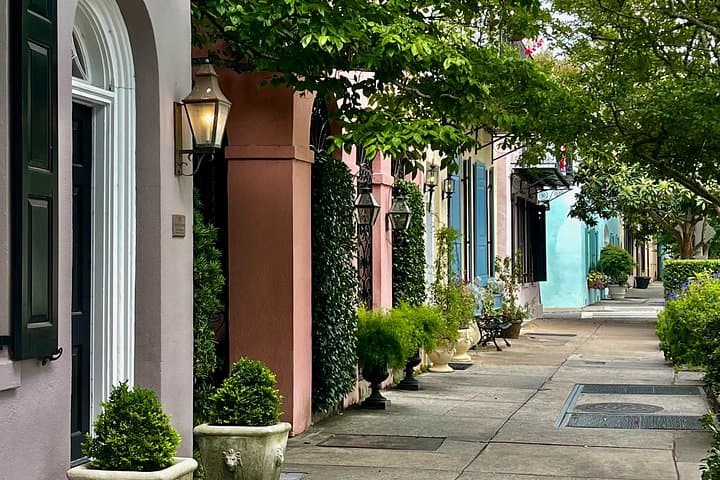
Charleston was founded in 1670 and its streets preserve layers: colonial commerce, Gullah culture, antebellum wealth and Civil War fortifications. The geology is gentle—low coastal plain, tidal creeks and a harbor that shaped the city's trade—so the tour reads as much as a civic map as a history lesson. Architecture dominates: pastel Federal and Georgian façades like Rainbow Row, Gothic Revival churches, and the defensive sweep of the Battery that faces Charleston Harbor.
Local culture is tangible: the Gullah language and cuisine still thread through neighborhoods, private gardens open behind wrought-iron gates, and a theatrical tradition persists around Dock Street. Expect small-group anecdotes about pirates, plantation economies, and the politics that made Charleston central to early American history.
Practical guide: this is a two-hour, primarily flat walking tour starting at Charleston City Hall (Meeting St.). Wear comfortable, supportive shoes for uneven brick and cobbles, bring water and sun protection for summer, and plan to move at a steady walking pace with brief stops at key sites. Public restrooms and a water fountain are available near the start. If rain threatens, check cancellation policy at least 24 hours ahead. The tour balances storytelling with on-the-ground navigation—ideal for travelers who want history told where it happened, not from behind glass.
The meeting point is in front of Charleston City Hall on Meeting Street; the tour also ends at the same location.
Yes—transportation options and the main route are wheelchair accessible, though some historic alleys have uneven surfaces; contact the operator for specific accommodations.
Families are welcome; the pace suits older children and teens but requires two hours of walking, so plan accordingly.
Charleston History Tours operates guided outdoor trips and adventures with an emphasis on safety, stewardship, and memorable experiences.
You step off Meeting Street into a pulse of painted brick and live oaks, the harbor breathing salt and history into the air. Guides lead the group along cobblestone lanes where merchants, soldiers and freed people once moved—each alleyway giving up an anecdote, each house a scar from centuries of change.
You step off Meeting Street into a pulse of painted brick and live oaks, the harbor breathing salt and history into the air. Guides lead the group along cobblestone lanes where merchants, soldiers and freed people once moved—each alleyway giving up an anecdote, each house a scar from centuries of change.
Charleston was founded in 1670 and its streets preserve layers: colonial commerce, Gullah culture, antebellum wealth and Civil War fortifications. The geology is gentle—low coastal plain, tidal creeks and a harbor that shaped the city's trade—so the tour reads as much as a civic map as a history lesson. Architecture dominates: pastel Federal and Georgian façades like Rainbow Row, Gothic Revival churches, and the defensive sweep of the Battery that faces Charleston Harbor.
Local culture is tangible: the Gullah language and cuisine still thread through neighborhoods, private gardens open behind wrought-iron gates, and a theatrical tradition persists around Dock Street. Expect small-group anecdotes about pirates, plantation economies, and the politics that made Charleston central to early American history.
Practical guide: this is a two-hour, primarily flat walking tour starting at Charleston City Hall (Meeting St.). Wear comfortable, supportive shoes for uneven brick and cobbles, bring water and sun protection for summer, and plan to move at a steady walking pace with brief stops at key sites. Public restrooms and a water fountain are available near the start. If rain threatens, check cancellation policy at least 24 hours ahead. The tour balances storytelling with on-the-ground navigation—ideal for travelers who want history told where it happened, not from behind glass.