THE ADVENTURE COLLECTIVE® · Independent discovery and booking for outdoor travel

Spend a full day exploring Charleston’s tidal creeks and marsh flats with a RedFin guide—an 8‑hour inshore charter that pairs local knowledge with tournament‑level experience. Expect tailing redfish, flounder from the mud, and hands‑on instruction for anglers of every level.
Spend a full day exploring Charleston’s tidal creeks and marsh flats with a RedFin guide—an 8‑hour inshore charter that pairs local knowledge with tournament‑level experience. Expect tailing redfish, flounder from the mud, and hands‑on instruction for anglers of every level.
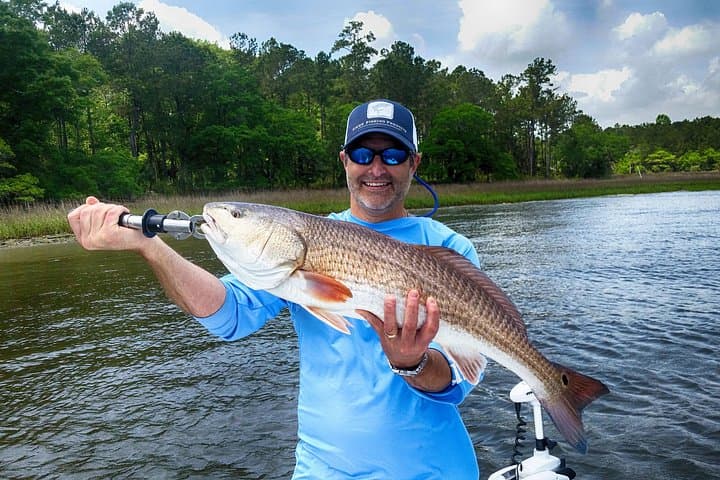
The morning light along Charleston’s lowcountry arrives slow and brassy, pushing along tidal creeks that smell faintly of mud and salt. On the deck of a familiar RedFin skiff the harbor slips away and the marsh opens like a map: oyster bars, grass flats, and narrow inlets that hold redfish like secrets. The captain checks lines, the cooler hums with ice and water, and the expectation of a solid day of inshore fishing settles in with the tide.
Verified experiences and guided adventures in the surrounding area.
Operated by RedFin Charters · Charleston, South Carolina
The morning light along Charleston’s lowcountry arrives slow and brassy, pushing along tidal creeks that smell faintly of mud and salt. On the deck of a familiar RedFin skiff the harbor slips away and the marsh opens like a map: oyster bars, grass flats, and narrow inlets that hold redfish like secrets. The captain checks lines, the cooler hums with ice and water, and the expectation of a solid day of inshore fishing settles in with the tide.
This is the kind of trip that reads like local lore. Charleston’s estuaries—shaped after the last Ice Age and continually rewritten by tides—have been working ports and food sources for generations. The Gullah-Geechee communities and historic shrimping and oystering industries shaped shoreline life here; today guides translate that knowledge into where to cast at low tide and how to read a tailing fish in a scatter of marsh grass.
Geologically the region is a shallow coastal plain: wide, flat, and tidal. That simplicity creates complexity for anglers. Inlets funnel bait, sand and mud flats hold flounder, and marsh edges hide oversized redfish that tail in the grass. The guides on this RedFin charter bring that local intelligence: seasoned captains, a legacy of tournament fishing, and gear tuned for inshore species.
Culturally the trip is part nature, part instruction. You’re not just boating; you’re standing where generations of coastal Carolinians learned how the tides move, where to anchor without crushing an oyster bed, and how to respect fragile marsh habitats. Expect to see osprey on pylons, dolphins riding the bow wave, and shrimp boats ghosting the horizon.
Practically: the charter leaves from SeaBreeze Marina for an 8-hour guided day that includes rods, tackle and licenses. It’s set up for all ability levels—beginners catch alongside experienced anglers—so bring a positive attitude and some basic questions. Wear non-slip shoes, polarized sunglasses and a sun shirt; the sun off the water is relentless. Hydration and a small, motion-friendly snack will keep energy steady through the tide changes. If you get queasy, take preventative medication before boarding.
The crew runs like a team: they will show you knotwork, baiting, and the exact instinctive cast that makes the difference in a marsh run. Respect for the water is part of the deal—expect to follow catch-and-release guidance on some species and local bag limits on others. When a fish breaks the surface, the boat tightens into efficient choreography: net ready, camera prepped, applause in the salt air. By the time you pull back toward the marina the light has shifted and the day’s memory sits salted and real—an eight-hour, hands-on lesson in how this coast feeds and teaches.
Yes — the charter provides the required South Carolina licenses for participants as part of the trip inclusions.
Meet at SeaBreeze Marina; follow posted signs to park behind the boat lifts, walk toward the marina building and over the bridge to the meeting point under the RedFin flags.
Typical inshore targets include redfish, spotted sea trout and flounder, with occasional sheepshead and black drum depending on season and tide.
All sales are final; however the operator will cancel for severe weather and reschedule when possible—no refunds are provided for cancellations by guests.
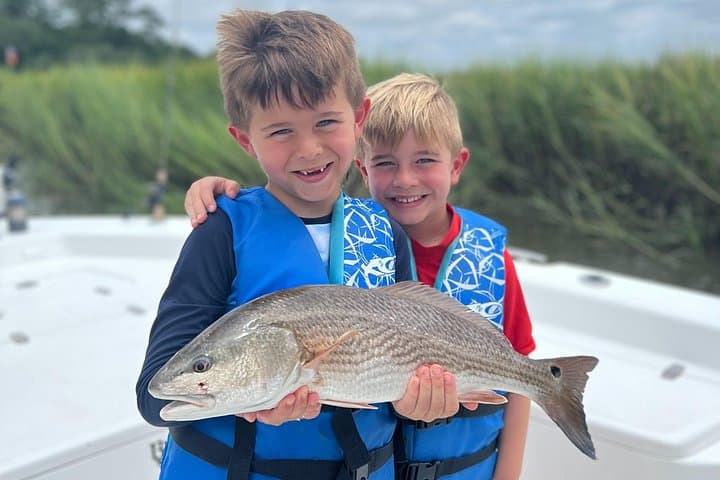
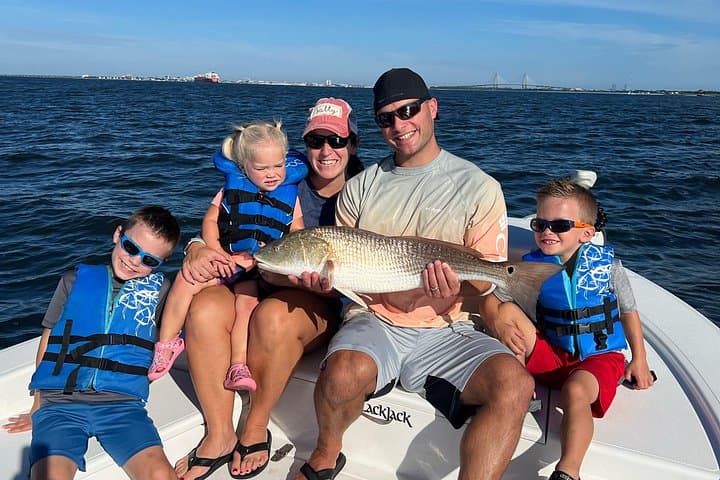
Yes — families are welcome; infants must sit on an adult’s lap and appropriate supervision is required for younger children on deck.
Tipping is customary for charters—15–20% of the trip cost is a common guideline for good service.
RedFin Charters operates guided outdoor trips and adventures with an emphasis on safety, stewardship, and memorable experiences.

The morning light along Charleston’s lowcountry arrives slow and brassy, pushing along tidal creeks that smell faintly of mud and salt. On the deck of a familiar RedFin skiff the harbor slips away and the marsh opens like a map: oyster bars, grass flats, and narrow inlets that hold redfish like secrets. The captain checks lines, the cooler hums with ice and water, and the expectation of a solid day of inshore fishing settles in with the tide.
The morning light along Charleston’s lowcountry arrives slow and brassy, pushing along tidal creeks that smell faintly of mud and salt. On the deck of a familiar RedFin skiff the harbor slips away and the marsh opens like a map: oyster bars, grass flats, and narrow inlets that hold redfish like secrets. The captain checks lines, the cooler hums with ice and water, and the expectation of a solid day of inshore fishing settles in with the tide.
This is the kind of trip that reads like local lore. Charleston’s estuaries—shaped after the last Ice Age and continually rewritten by tides—have been working ports and food sources for generations. The Gullah-Geechee communities and historic shrimping and oystering industries shaped shoreline life here; today guides translate that knowledge into where to cast at low tide and how to read a tailing fish in a scatter of marsh grass.
Geologically the region is a shallow coastal plain: wide, flat, and tidal. That simplicity creates complexity for anglers. Inlets funnel bait, sand and mud flats hold flounder, and marsh edges hide oversized redfish that tail in the grass. The guides on this RedFin charter bring that local intelligence: seasoned captains, a legacy of tournament fishing, and gear tuned for inshore species.
Culturally the trip is part nature, part instruction. You’re not just boating; you’re standing where generations of coastal Carolinians learned how the tides move, where to anchor without crushing an oyster bed, and how to respect fragile marsh habitats. Expect to see osprey on pylons, dolphins riding the bow wave, and shrimp boats ghosting the horizon.
Practically: the charter leaves from SeaBreeze Marina for an 8-hour guided day that includes rods, tackle and licenses. It’s set up for all ability levels—beginners catch alongside experienced anglers—so bring a positive attitude and some basic questions. Wear non-slip shoes, polarized sunglasses and a sun shirt; the sun off the water is relentless. Hydration and a small, motion-friendly snack will keep energy steady through the tide changes. If you get queasy, take preventative medication before boarding.
The crew runs like a team: they will show you knotwork, baiting, and the exact instinctive cast that makes the difference in a marsh run. Respect for the water is part of the deal—expect to follow catch-and-release guidance on some species and local bag limits on others. When a fish breaks the surface, the boat tightens into efficient choreography: net ready, camera prepped, applause in the salt air. By the time you pull back toward the marina the light has shifted and the day’s memory sits salted and real—an eight-hour, hands-on lesson in how this coast feeds and teaches.