THE ADVENTURE COLLECTIVE® · Independent discovery and booking for outdoor travel

Discover Charleston in a single day with a private guide: historic downtown, waterfront promenades, Mt. Pleasant’s Old Village, and your choice of a plantation visit. This seven-hour VIP tour mixes architecture, coastal scenery, and layered history with practical comfort.
Discover Charleston in a single day with a private guide: historic downtown, waterfront promenades, Mt. Pleasant’s Old Village, and your choice of a plantation visit. This seven-hour VIP tour mixes architecture, coastal scenery, and layered history with practical comfort.
You step off Meeting Street into humid air that smells faintly of salt and magnolia — a city whose streets quietly hold three centuries of commerce, conflict, and culture.
Verified experiences and guided adventures in the surrounding area.
Operated by DTours · Charleston, South Carolina
You step off Meeting Street into humid air that smells faintly of salt and magnolia — a city whose streets quietly hold three centuries of commerce, conflict, and culture.
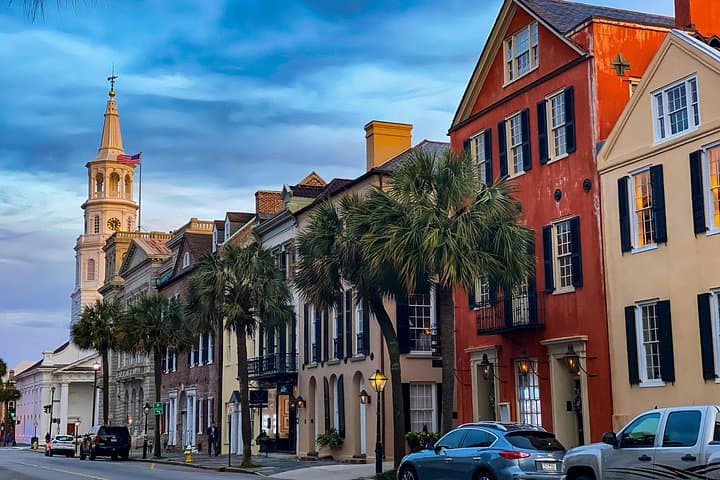
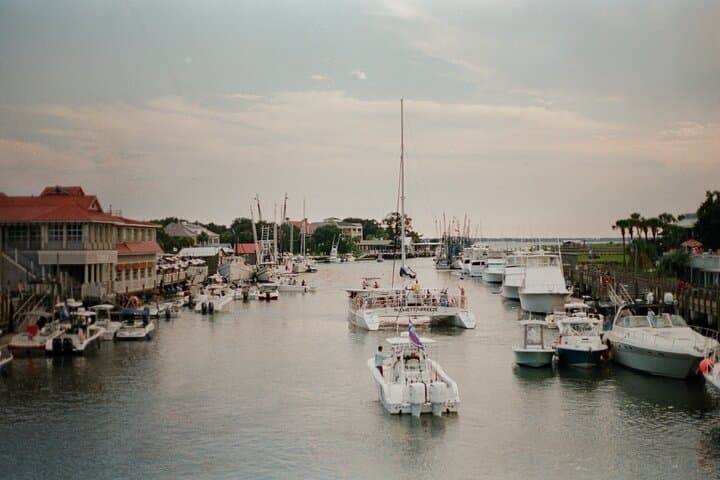
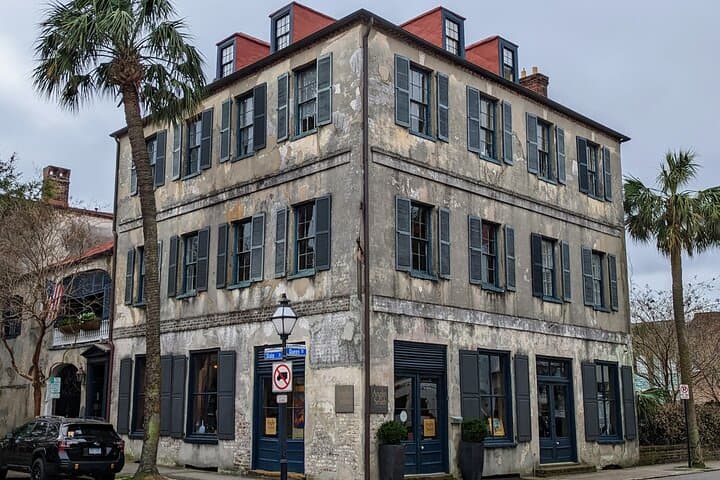
The tour threads past the Battery’s seawall where iron cannons still point over the harbor and into the cramped alleys of the French Quarter. Guides move at an unhurried pace, pointing out 18th- and 19th-century facades, Rainbow Row’s cheery paint, and the wide pier at Waterfront Park that juts into the Cooper River like an invitation. Afternoon drives take you across the bridge to Mt. Pleasant’s Old Village and the mangrove-lined creeks where shrimp boats and dolphins cross paths.
Charleston’s story is layered: colonial trade, Revolutionary fervor, antebellum plantations, and the hard history of the transatlantic slave trade that landed at Gadsden’s Wharf. Geologically, the Lowcountry is a tidal plain — marshes, barrier islands, and estuaries sculpted by long, patient currents. Culture here is shaped by coastal foodways, Gullah traditions, and architecture adapted to heat and hurricanes.
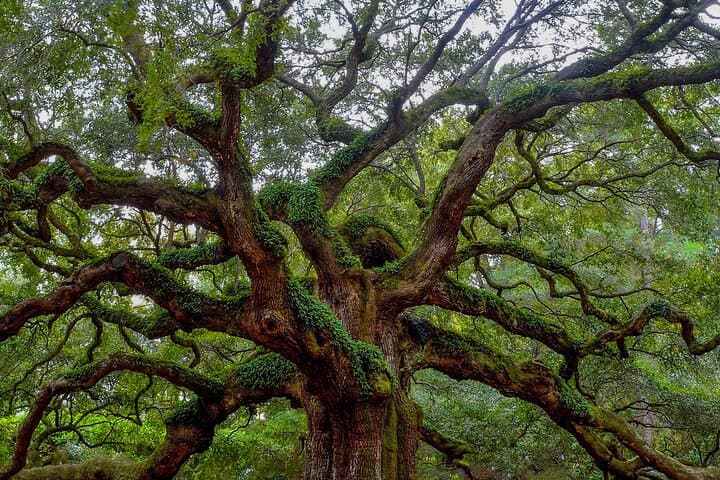
Practically, expect a full seven-hour private experience with an air-conditioned vehicle, bottled water, and a midday lunch break (own expense). Choose between Boone Hall’s live oak allee and McLeod’s preserved outbuildings for a plantation visit. Comfortable walking shoes, sun protection, and a charged phone for photos are essential. The route is largely low-impact but includes short walks and boardwalk sections; schedule morning starts in summer to avoid the worst heat. Guides handle navigation and context — you bring curiosity and respect for complex history.
The private tour is approximately seven hours (420 minutes) and typically starts and ends at the Charleston Visitor Center on Meeting Street near the Charleston Museum.
Admission to Boone Hall or McLeod Historic Site is not included; guests choose one plantation to visit and pay any entry fees separately if required.
The tour is described as suitable for all fitness levels; however, short walks, uneven surfaces, and steps at historic sites may limit accessibility—advise the operator of mobility needs when booking.
Lunch is not included in the tour price; there will be a scheduled lunch break in either downtown Charleston or Mt. Pleasant, depending on guest preference.
DTours operates guided outdoor trips and adventures with an emphasis on safety, stewardship, and memorable experiences.
You step off Meeting Street into humid air that smells faintly of salt and magnolia — a city whose streets quietly hold three centuries of commerce, conflict, and culture.
You step off Meeting Street into humid air that smells faintly of salt and magnolia — a city whose streets quietly hold three centuries of commerce, conflict, and culture.
The tour threads past the Battery’s seawall where iron cannons still point over the harbor and into the cramped alleys of the French Quarter. Guides move at an unhurried pace, pointing out 18th- and 19th-century facades, Rainbow Row’s cheery paint, and the wide pier at Waterfront Park that juts into the Cooper River like an invitation. Afternoon drives take you across the bridge to Mt. Pleasant’s Old Village and the mangrove-lined creeks where shrimp boats and dolphins cross paths.
Charleston’s story is layered: colonial trade, Revolutionary fervor, antebellum plantations, and the hard history of the transatlantic slave trade that landed at Gadsden’s Wharf. Geologically, the Lowcountry is a tidal plain — marshes, barrier islands, and estuaries sculpted by long, patient currents. Culture here is shaped by coastal foodways, Gullah traditions, and architecture adapted to heat and hurricanes.
Practically, expect a full seven-hour private experience with an air-conditioned vehicle, bottled water, and a midday lunch break (own expense). Choose between Boone Hall’s live oak allee and McLeod’s preserved outbuildings for a plantation visit. Comfortable walking shoes, sun protection, and a charged phone for photos are essential. The route is largely low-impact but includes short walks and boardwalk sections; schedule morning starts in summer to avoid the worst heat. Guides handle navigation and context — you bring curiosity and respect for complex history.