THE ADVENTURE COLLECTIVE® · Independent discovery and booking for outdoor travel

Explore Charlotte on a focused 90-minute walking tour that traces the city’s colonial roots through its rise as a banking center. Expect paved sidewalks, accessible stops at museums and historic sites, and local context delivered by a knowledgeable guide.
Explore Charlotte on a focused 90-minute walking tour that traces the city’s colonial roots through its rise as a banking center. Expect paved sidewalks, accessible stops at museums and historic sites, and local context delivered by a knowledgeable guide.
Step off the curb at the Queen Charlotte statue and the city opens like a map under your feet—brick facades giving way to glass towers, live oaks leaning over sidewalks, and the steady hum of Uptown Charlotte pressing forward.
Verified experiences and guided adventures in the surrounding area.
Operated by QC Rides · Charlotte, North Carolina
Step off the curb at the Queen Charlotte statue and the city opens like a map under your feet—brick facades giving way to glass towers, live oaks leaning over sidewalks, and the steady hum of Uptown Charlotte pressing forward.
This 90-minute walk threads colonial origins into the modern finance skyline: Charlotte was named for Queen Charlotte of Mecklenburg-Strelitz, grew through textile and gold booms, then climbed into national prominence as a banking hub in the 20th century. Beneath the streets the Piedmont’s gentle bedrock and river valleys shaped early trade routes; above, civic buildings and arcades chart the city’s changing tastes in architecture from Beaux-Arts to contemporary glass.
Guides point out civic institutions—the Mint Museum, Blumenthal Center, and historic burial grounds—while explaining cultural shifts, civil rights history, and Charlotte’s sports and pop-culture landmarks. The Latta Arcade’s skylight and old cotton-grading details are small civic surprises; the city’s parks and the nearby Little Sugar Creek greenway hint at local efforts to reconnect urban life with nature.
Practical guidance: expect paved sidewalks, frequent crossings, and light elevation—this is an accessible, urban route suitable for most fitness levels. Bring a refillable bottle, sun protection for summer tours, and a light layer in spring or fall. Photography stops are brief; plan questions for the guide and time your arrival 10 minutes early. Public transit and parking are nearby; restrooms are available at several points along the route. This walk is compact but rich—an efficient way to learn how Charlotte’s past and present continue to shape its streets.
Meet at the Queen Charlotte statue at 200 N College St; arrive 10 minutes early to check in with the guide.
Yes—routes use paved sidewalks and are listed as wheelchair and stroller accessible; notify guides of special needs when booking.
Yes—public restrooms and cafes are located along the route, but bringing small change or using a nearby museum facility is recommended.
Full refunds are available if you cancel at least 24 hours before the scheduled departure; tours may be canceled for bad weather.
QC Rides operates guided outdoor trips and adventures with an emphasis on safety, stewardship, and memorable experiences.
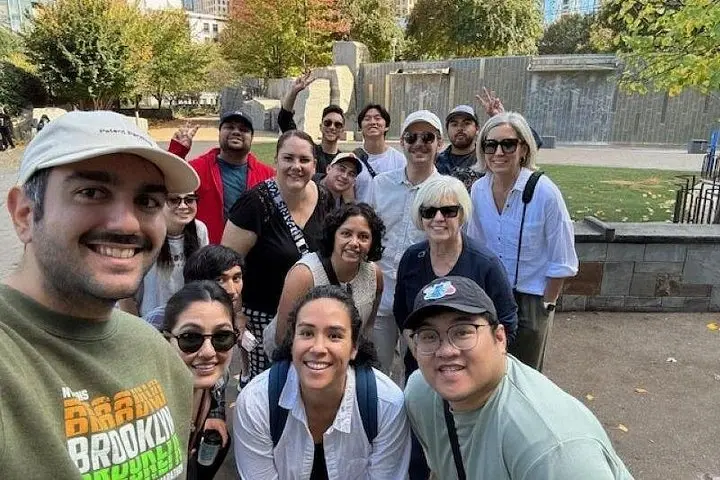
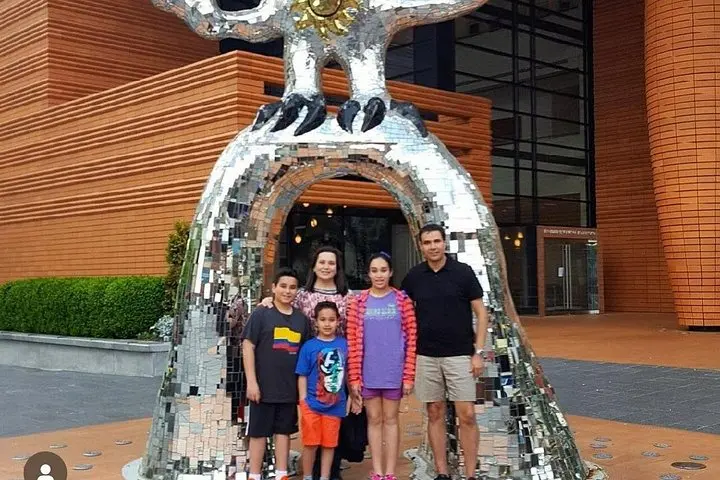
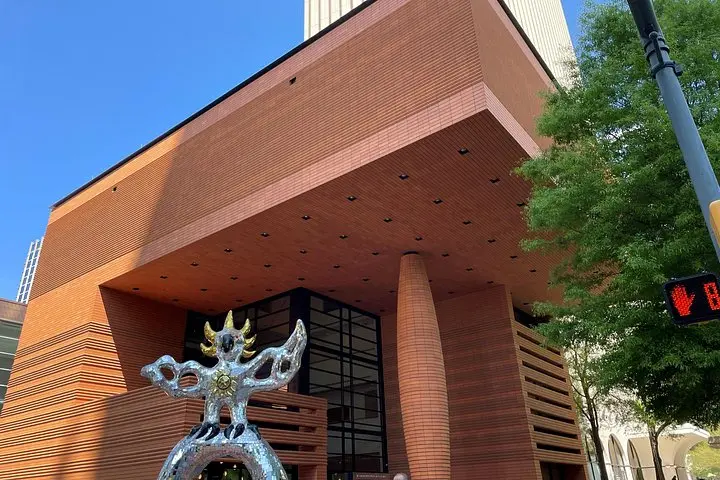
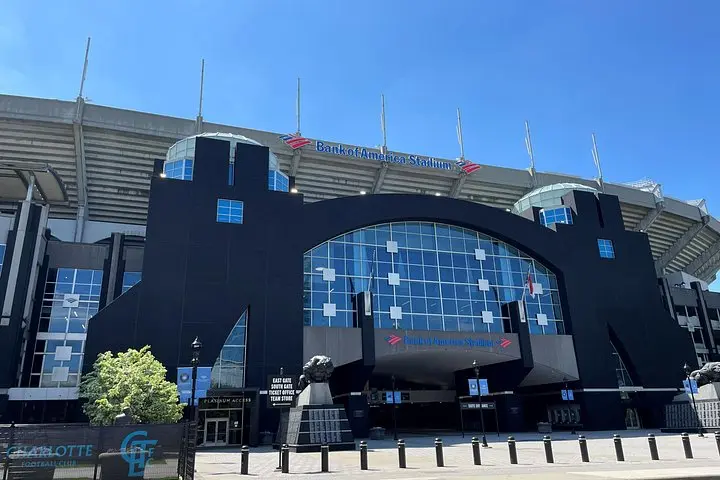
Step off the curb at the Queen Charlotte statue and the city opens like a map under your feet—brick facades giving way to glass towers, live oaks leaning over sidewalks, and the steady hum of Uptown Charlotte pressing forward.
Step off the curb at the Queen Charlotte statue and the city opens like a map under your feet—brick facades giving way to glass towers, live oaks leaning over sidewalks, and the steady hum of Uptown Charlotte pressing forward.
This 90-minute walk threads colonial origins into the modern finance skyline: Charlotte was named for Queen Charlotte of Mecklenburg-Strelitz, grew through textile and gold booms, then climbed into national prominence as a banking hub in the 20th century. Beneath the streets the Piedmont’s gentle bedrock and river valleys shaped early trade routes; above, civic buildings and arcades chart the city’s changing tastes in architecture from Beaux-Arts to contemporary glass.
Guides point out civic institutions—the Mint Museum, Blumenthal Center, and historic burial grounds—while explaining cultural shifts, civil rights history, and Charlotte’s sports and pop-culture landmarks. The Latta Arcade’s skylight and old cotton-grading details are small civic surprises; the city’s parks and the nearby Little Sugar Creek greenway hint at local efforts to reconnect urban life with nature.
Practical guidance: expect paved sidewalks, frequent crossings, and light elevation—this is an accessible, urban route suitable for most fitness levels. Bring a refillable bottle, sun protection for summer tours, and a light layer in spring or fall. Photography stops are brief; plan questions for the guide and time your arrival 10 minutes early. Public transit and parking are nearby; restrooms are available at several points along the route. This walk is compact but rich—an efficient way to learn how Charlotte’s past and present continue to shape its streets.