THE ADVENTURE COLLECTIVE® · Independent discovery and booking for outdoor travel

Nine days that stitch together Nicaragua's biggest draws: volcano adventure, colonial cities, crater lagoons, and island volcanoes. This private tour balances active hikes and boat time with cultural stops for a compact, well-paced introduction to the country.
Nine days that stitch together Nicaragua's biggest draws: volcano adventure, colonial cities, crater lagoons, and island volcanoes. This private tour balances active hikes and boat time with cultural stops for a compact, well-paced introduction to the country.
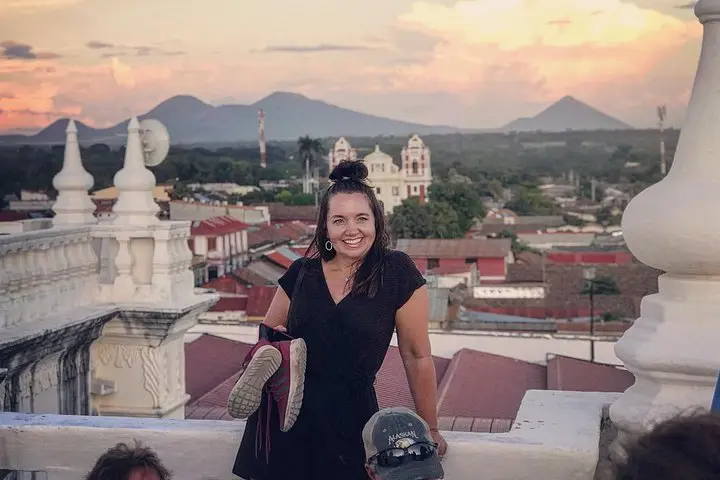
You arrive in Managua and the air feels warm and urgent—the kind that promises hard sun, sudden rain, and landscapes that refuse to stand still. The first day moves you quickly into León, where narrow streets climb past ochre churches and the cathedral roof throws a wide view of a range of volcanoes. Over nine days the route reads like a compact primer to Nicaragua: an active volcanic slope to hike and board down, a crater lagoon to float in, an island of twin cones to explore, and a Pacific crescent beach that slows the pace to tide and sand.
Verified experiences and guided adventures in the surrounding area.
Operated by Vamos Travel Nic · León, León Department
You arrive in Managua and the air feels warm and urgent—the kind that promises hard sun, sudden rain, and landscapes that refuse to stand still. The first day moves you quickly into León, where narrow streets climb past ochre churches and the cathedral roof throws a wide view of a range of volcanoes. Over nine days the route reads like a compact primer to Nicaragua: an active volcanic slope to hike and board down, a crater lagoon to float in, an island of twin cones to explore, and a Pacific crescent beach that slows the pace to tide and sand.
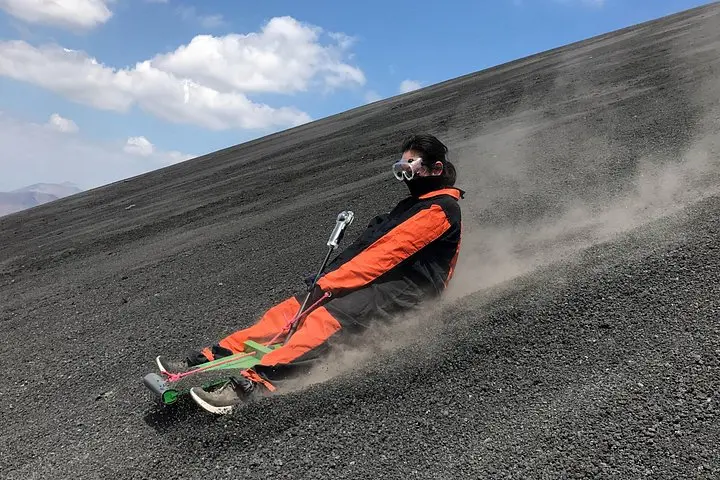
Geology is the backbone of this trip. Cerro Negro, the youngest volcano in Central America, is a raw, ash-strewn flank that invites a steep, gritty ascent and the odd thrill of volcano boarding. Ometepe rises from Lake Nicaragua as two volcanic engines—Concepción and Maderas—still shaping soils, springs, and small agricultural terraces. Granada, founded in 1524, remains one of the region's best-preserved colonial settlements: its architecture maps Spanish influence, indigenous resilience, and decades of regional history in faded paint and carved balconies.
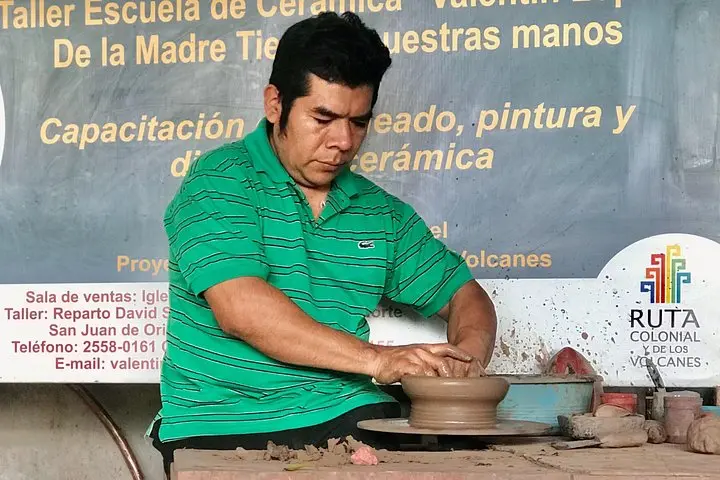
Culture threads through each stop. In León, revolutionary murals and a bustling market pulse against the colonial backdrop; in the communities by San Jacinto the earth literally bubbles—fumaroles and mud pots that local guides explain with a mix of science and folklore. Boats between Granada's islets and across Lake Nicaragua deliver not just views but conversations with guides who grew up on these waters. Food is direct and regional: freshwater fish, gallo pinto, and tropical fruit sold roadside in small paper cones.
Practical guidance sits beneath the poetry. Expect varied terrain: volcanic ash slopes, forested trails on Maderas, rocky shorelines, and flat, sandy beaches. Days alternate active and relaxed—plan for early starts to beat heat, sturdy footwear for hikes, and a light dry bag for boat legs. A private guide and transport simplify logistics but bring cash for small entrances, tips, and village purchases. Healthwise, drink bottled or treated water, use reef-safe sunscreen, and vaccinate according to travel advisories.
The trip is both a physical and sensory pacing: the pull of climbing ash, the cool clarity of Ojo de Agua, the slow lap of Granada's islets under a low sun. For travelers who want a deep, bookable slice of Nicaragua—history, geology, water, and beaches arranged into a single, coherent route—this nine-day private tour delivers a clear, varied itinerary that rewards preparation and curiosity.
Moderate: expect several half-day hikes (Cerro Negro and Maderas) and active walking tours in colonial cities; guide notes recommend moderate fitness.
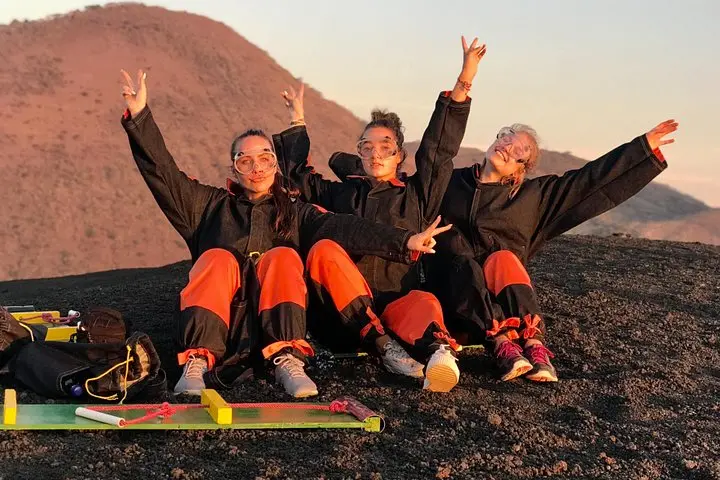
Operators provide boards, goggles and instruction; it's an adrenaline activity on volcanic ash—follow guides and wear long sleeves and goggles to limit scrapes.
Bring local córdobas for small purchases and tips; US dollars are widely accepted in tourist areas but change may be given in córdobas.
Yes—private transport and boat tours on Lake Nicaragua and Granada islets are included per the itinerary and inclusions list.
This is a private tour and can typically be customized—discuss slower pacing or alternative activities with the operator at booking.
The tour provides transport, guides, entrance fees, water and snacks; confirm lodging and full meal details with the supplier before booking.
Vamos Travel Nic operates guided outdoor trips and adventures with an emphasis on safety, stewardship, and memorable experiences.
You arrive in Managua and the air feels warm and urgent—the kind that promises hard sun, sudden rain, and landscapes that refuse to stand still. The first day moves you quickly into León, where narrow streets climb past ochre churches and the cathedral roof throws a wide view of a range of volcanoes. Over nine days the route reads like a compact primer to Nicaragua: an active volcanic slope to hike and board down, a crater lagoon to float in, an island of twin cones to explore, and a Pacific crescent beach that slows the pace to tide and sand.
You arrive in Managua and the air feels warm and urgent—the kind that promises hard sun, sudden rain, and landscapes that refuse to stand still. The first day moves you quickly into León, where narrow streets climb past ochre churches and the cathedral roof throws a wide view of a range of volcanoes. Over nine days the route reads like a compact primer to Nicaragua: an active volcanic slope to hike and board down, a crater lagoon to float in, an island of twin cones to explore, and a Pacific crescent beach that slows the pace to tide and sand.
Geology is the backbone of this trip. Cerro Negro, the youngest volcano in Central America, is a raw, ash-strewn flank that invites a steep, gritty ascent and the odd thrill of volcano boarding. Ometepe rises from Lake Nicaragua as two volcanic engines—Concepción and Maderas—still shaping soils, springs, and small agricultural terraces. Granada, founded in 1524, remains one of the region's best-preserved colonial settlements: its architecture maps Spanish influence, indigenous resilience, and decades of regional history in faded paint and carved balconies.
Culture threads through each stop. In León, revolutionary murals and a bustling market pulse against the colonial backdrop; in the communities by San Jacinto the earth literally bubbles—fumaroles and mud pots that local guides explain with a mix of science and folklore. Boats between Granada's islets and across Lake Nicaragua deliver not just views but conversations with guides who grew up on these waters. Food is direct and regional: freshwater fish, gallo pinto, and tropical fruit sold roadside in small paper cones.
Practical guidance sits beneath the poetry. Expect varied terrain: volcanic ash slopes, forested trails on Maderas, rocky shorelines, and flat, sandy beaches. Days alternate active and relaxed—plan for early starts to beat heat, sturdy footwear for hikes, and a light dry bag for boat legs. A private guide and transport simplify logistics but bring cash for small entrances, tips, and village purchases. Healthwise, drink bottled or treated water, use reef-safe sunscreen, and vaccinate according to travel advisories.
The trip is both a physical and sensory pacing: the pull of climbing ash, the cool clarity of Ojo de Agua, the slow lap of Granada's islets under a low sun. For travelers who want a deep, bookable slice of Nicaragua—history, geology, water, and beaches arranged into a single, coherent route—this nine-day private tour delivers a clear, varied itinerary that rewards preparation and curiosity.