THE ADVENTURE COLLECTIVE® · Independent discovery and booking for outdoor travel

Board a short-night coach from Reykjavík to remote viewing spots for a chance to see dancing auroral curtains. This accessible, three-hour tour focuses on maximizing sky visibility with expert guides and convenient pickup.
Board a short-night coach from Reykjavík to remote viewing spots for a chance to see dancing auroral curtains. This accessible, three-hour tour focuses on maximizing sky visibility with expert guides and convenient pickup.
A pale coach slides out of Reykjavík into the nitrogen-bright night and the city’s sodium lamps fall away like breadcrumbs. Participants settle into thick blankets as the sky widens—a black bowl where green curtains and violet strands can suddenly appear. The tour places travelers beyond light pollution on quiet coastal or high-ground vantage points, where the auroral oval often threads above lava fields and winter-bare moss.
Verified experiences and guided adventures in the surrounding area.
Operated by Ride Iceland. · Reykjavík, Capital Region
A pale coach slides out of Reykjavík into the nitrogen-bright night and the city’s sodium lamps fall away like breadcrumbs. Participants settle into thick blankets as the sky widens—a black bowl where green curtains and violet strands can suddenly appear. The tour places travelers beyond light pollution on quiet coastal or high-ground vantage points, where the auroral oval often threads above lava fields and winter-bare moss.
Iceland’s auroras are born from solar wind colliding with atoms high above a tectonically active island. The country’s geology—young basalt plains punctuated by rhyolite ridges—frames the show, and local folklore long treated the northern lights as omens and story-markers in the sagas. Modern Reykjavíkers treat aurora season as communal: people trade viewing tips, hot chocolate recipes, and weather-app alerts.
Practically, the operator offers hotel pickup and a roughly three-hour window that includes driving to optimized spots and waiting for clear skies. Guides monitor KP-index forecasts and clouds, and may move between locations. Tours are private-friendly and wheelchair-accessible; expect a mix of roadside stops and short, uneven walks to viewpoints. Dress for wind, wet ground, and long stationary periods—insulation and a windproof shell are essential. Camera-ready visitors should bring a tripod, wide lens, and a remote or 10–20 second exposure plan; phone cameras can capture brighter displays but struggle in faint shows.
Timing matters: autumn through early spring gives the best odds, and tours will cancel or reschedule in severe weather. Bring a thermos, patience, and a sense of wonder—the aurora can appear suddenly and then vanish, daring viewers to stay alert and keep looking upward.
Late September through March offers the longest, darkest nights and the best odds; clear, moonless nights increase visibility.
Visibility depends on solar activity and cloud cover; reputable tours monitor conditions and may move to clearer sites, but sightings are never guaranteed.
Yes—this operator lists wheelchair-accessible transport and short, easy walks; notify in advance for special assistance or infant seats.
Start with manual mode: wide aperture (f/2.8–f/4), ISO 800–1600, and 8–20 second exposures; adjust based on brightness and movement.
Ride Iceland. operates guided outdoor trips and adventures with an emphasis on safety, stewardship, and memorable experiences.
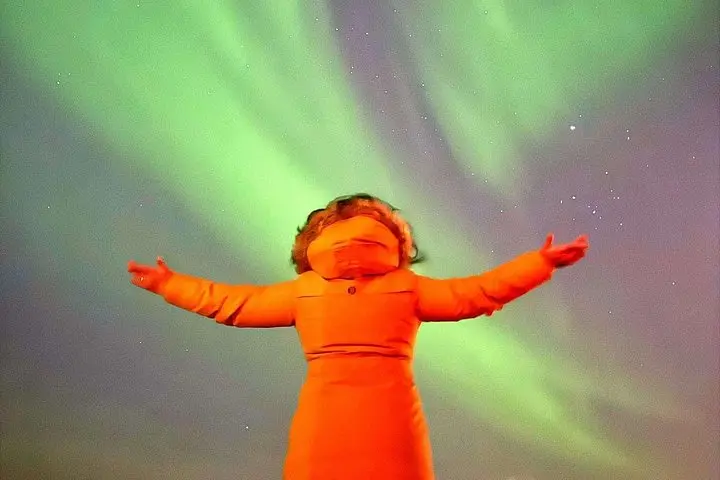
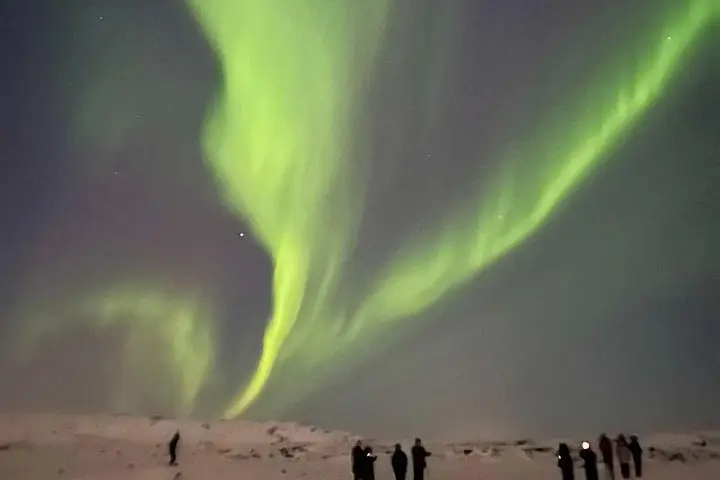
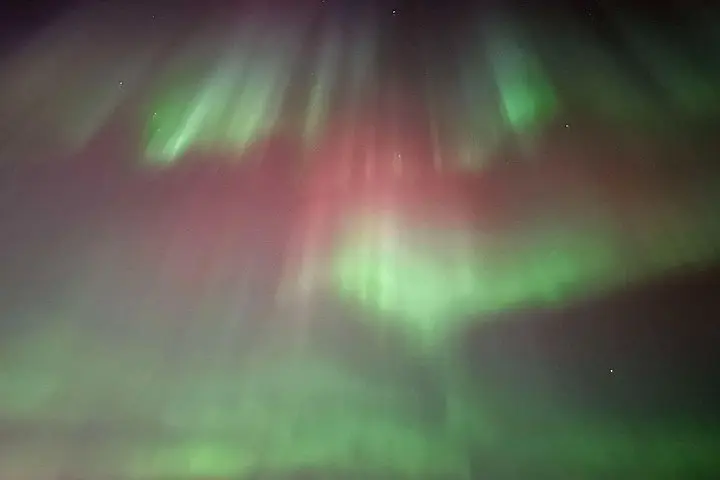
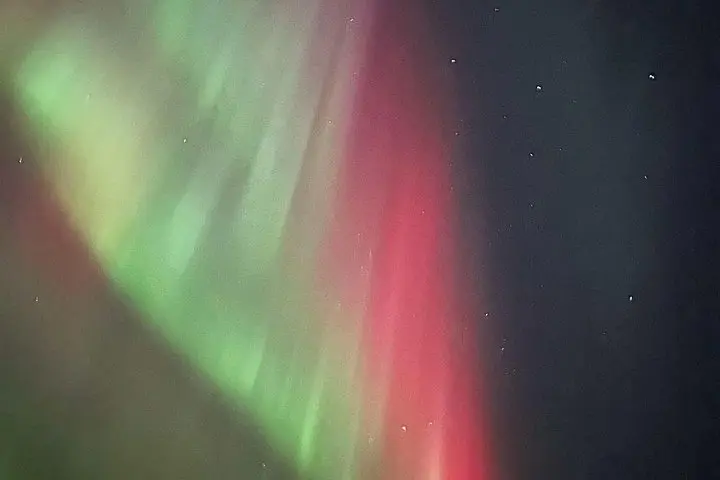
A pale coach slides out of Reykjavík into the nitrogen-bright night and the city’s sodium lamps fall away like breadcrumbs. Participants settle into thick blankets as the sky widens—a black bowl where green curtains and violet strands can suddenly appear. The tour places travelers beyond light pollution on quiet coastal or high-ground vantage points, where the auroral oval often threads above lava fields and winter-bare moss.
A pale coach slides out of Reykjavík into the nitrogen-bright night and the city’s sodium lamps fall away like breadcrumbs. Participants settle into thick blankets as the sky widens—a black bowl where green curtains and violet strands can suddenly appear. The tour places travelers beyond light pollution on quiet coastal or high-ground vantage points, where the auroral oval often threads above lava fields and winter-bare moss.
Iceland’s auroras are born from solar wind colliding with atoms high above a tectonically active island. The country’s geology—young basalt plains punctuated by rhyolite ridges—frames the show, and local folklore long treated the northern lights as omens and story-markers in the sagas. Modern Reykjavíkers treat aurora season as communal: people trade viewing tips, hot chocolate recipes, and weather-app alerts.
Practically, the operator offers hotel pickup and a roughly three-hour window that includes driving to optimized spots and waiting for clear skies. Guides monitor KP-index forecasts and clouds, and may move between locations. Tours are private-friendly and wheelchair-accessible; expect a mix of roadside stops and short, uneven walks to viewpoints. Dress for wind, wet ground, and long stationary periods—insulation and a windproof shell are essential. Camera-ready visitors should bring a tripod, wide lens, and a remote or 10–20 second exposure plan; phone cameras can capture brighter displays but struggle in faint shows.
Timing matters: autumn through early spring gives the best odds, and tours will cancel or reschedule in severe weather. Bring a thermos, patience, and a sense of wonder—the aurora can appear suddenly and then vanish, daring viewers to stay alert and keep looking upward.