THE ADVENTURE COLLECTIVE® · Independent discovery and booking for outdoor travel

Ride out of Reykjavík with a private driver and pro photographer to hunt the aurora across Iceland’s black sands and rift valleys. This four-hour tour combines real-time forecasts, warm transport, and on-site photo guidance so you arrive ready to capture the lights.
Ride out of Reykjavík with a private driver and pro photographer to hunt the aurora across Iceland’s black sands and rift valleys. This four-hour tour combines real-time forecasts, warm transport, and on-site photo guidance so you arrive ready to capture the lights.
The heater hums, frost cracking like thin glass on the window, and the van slides out of Reykjavík into a sky the color of raw slate. Within an hour the city lights have thinned to a ribbon and the guide radios in a pullout where the horizon is wide and dark. The photographer—part technician, part storyteller—steps out first, tripod in hand, scanning the sky for the first tremor of light. When the aurora arrives it moves like a living brushstroke: green fingers unfurl, pink veins stitch through, and the camera clicks become part of the night’s percussion.
Verified experiences and guided adventures in the surrounding area.
Operated by Iceland Highlights Travel Agency · Reykjavík, Capital Region
The heater hums, frost cracking like thin glass on the window, and the van slides out of Reykjavík into a sky the color of raw slate. Within an hour the city lights have thinned to a ribbon and the guide radios in a pullout where the horizon is wide and dark. The photographer—part technician, part storyteller—steps out first, tripod in hand, scanning the sky for the first tremor of light. When the aurora arrives it moves like a living brushstroke: green fingers unfurl, pink veins stitch through, and the camera clicks become part of the night’s percussion.
Iceland sits on an intersection of forces that make aurora-watching special. Geologically young and perpetually raw, the island’s volcanic plains and rift valleys are the product of the Mid-Atlantic Ridge, and those open skies are framed by stark lava fields and ocean inlets. Culturally, the lights have threaded through Norse sagas and modern Instagram feeds alike; locals once told of spirits and omens, now meteorologists and photographers translate geomagnetic storms into a more precise language of KP-indexes and cloud cover percentages.
This private, four-hour tour leans on local expertise. Guides monitor aurora forecasts and weather models to pick the best vantage—some nights that’s Þingvellir’s clear horizons, other nights the wind-scraped coasts near Reykjanes or the quieter fishing harbor at Þorlákshöfn. The trip is accessible: drivers will pick you up at your hotel and the vehicle is equipped for winter conditions. A photographer joins the group and delivers edited images of you under the lights, so you don’t have to fumble with exposure settings while the sky performs.
Practicality matters in a chase like this. The aurora is seasonal—visible from late August through April—and depends on solar activity and clear skies. Dress for Icelandic winter: layered insulation, windproof shell, warm boots, and gloves that allow camera control. Bring a tripod and a camera with manual controls (the photographer can help if you’re new to long exposures). Expect to be outside in sub-freezing temperatures for stretches; the van is your warm base between displays.
Timing and expectations: tours run around four hours, with pickup roughly 30 minutes before departure. Cancellation policies generally require 24-hour notice for a refund. If conditions are poor, guides may still attempt alternative sites, but clouds and local weather remain the final arbiter.
On a clear night, the aurora doesn’t just appear—it engages. It rises, hesitates, and then arcs across the sky, daring you to keep watching. This tour gives you the space, the expertise, and the photographs to remember not just the lights themselves, but the precise moment you stood beneath them and the cold air that made that glow feel earned.
Aim for late September through March for the longest nights and most consistent darkness; aurora season in Iceland runs roughly late August to April.
Seeing the aurora depends on solar activity and cloud cover—guides maximize chances by monitoring forecasts, but sightings cannot be guaranteed.
Yes: a professional photographer accompanies the tour and will provide edited photos of you under the lights as part of the experience.
Yes—this tour is suitable for all ages and fitness levels, though expect short walks on uneven surfaces and cold conditions.
The operator lists wheelchair-accessible transport; however, viewing locations may vary—confirm specifics and any assistance needs when booking.
Start with manual mode: aperture f/2.8–f/4, shutter 5–15 seconds, ISO 800–3200; adjust based on aurora brightness and test shots—your guide/photographer can help refine settings.
Iceland Highlights Travel Agency operates guided outdoor trips and adventures with an emphasis on safety, stewardship, and memorable experiences.
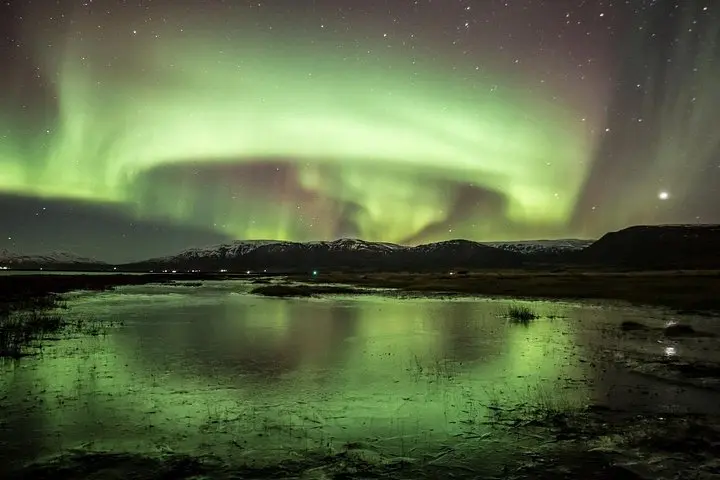
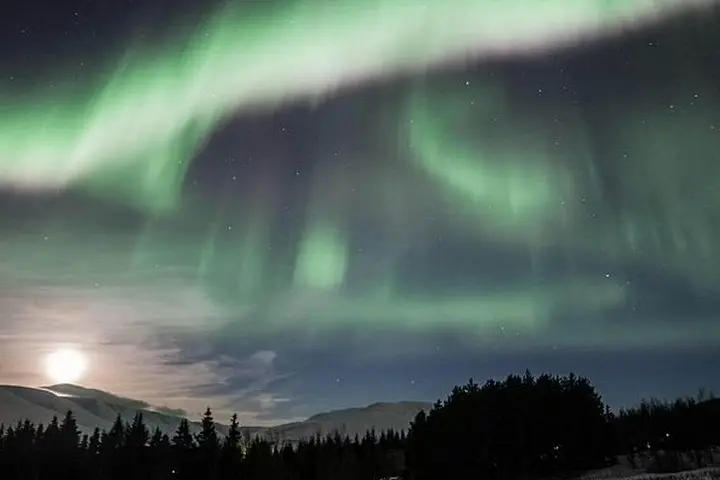
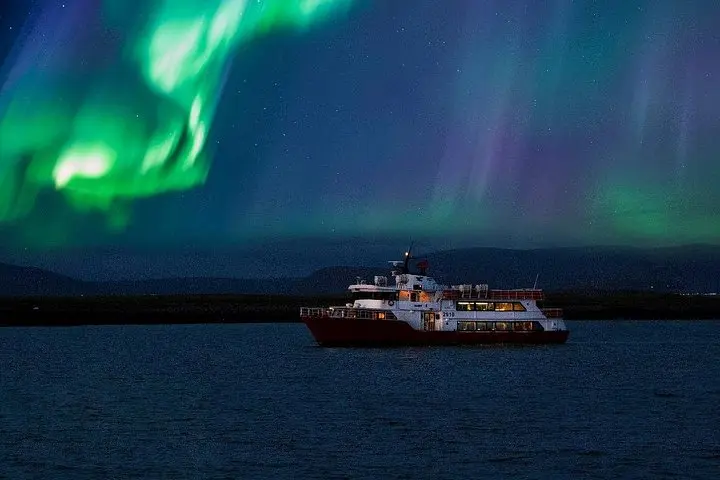
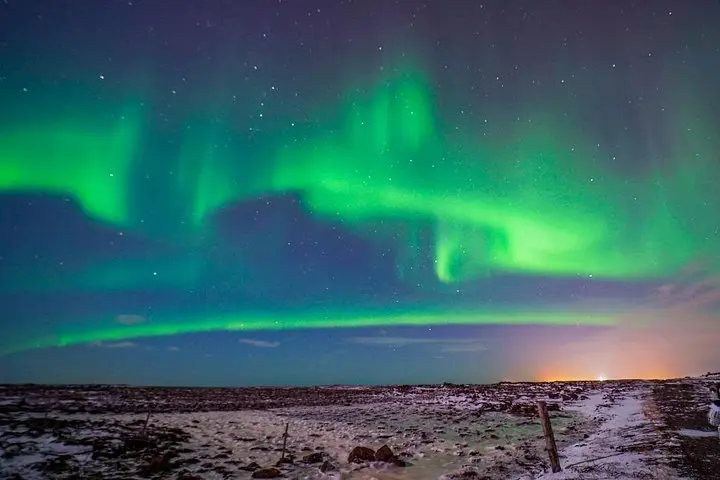
The heater hums, frost cracking like thin glass on the window, and the van slides out of Reykjavík into a sky the color of raw slate. Within an hour the city lights have thinned to a ribbon and the guide radios in a pullout where the horizon is wide and dark. The photographer—part technician, part storyteller—steps out first, tripod in hand, scanning the sky for the first tremor of light. When the aurora arrives it moves like a living brushstroke: green fingers unfurl, pink veins stitch through, and the camera clicks become part of the night’s percussion.
The heater hums, frost cracking like thin glass on the window, and the van slides out of Reykjavík into a sky the color of raw slate. Within an hour the city lights have thinned to a ribbon and the guide radios in a pullout where the horizon is wide and dark. The photographer—part technician, part storyteller—steps out first, tripod in hand, scanning the sky for the first tremor of light. When the aurora arrives it moves like a living brushstroke: green fingers unfurl, pink veins stitch through, and the camera clicks become part of the night’s percussion.
Iceland sits on an intersection of forces that make aurora-watching special. Geologically young and perpetually raw, the island’s volcanic plains and rift valleys are the product of the Mid-Atlantic Ridge, and those open skies are framed by stark lava fields and ocean inlets. Culturally, the lights have threaded through Norse sagas and modern Instagram feeds alike; locals once told of spirits and omens, now meteorologists and photographers translate geomagnetic storms into a more precise language of KP-indexes and cloud cover percentages.
This private, four-hour tour leans on local expertise. Guides monitor aurora forecasts and weather models to pick the best vantage—some nights that’s Þingvellir’s clear horizons, other nights the wind-scraped coasts near Reykjanes or the quieter fishing harbor at Þorlákshöfn. The trip is accessible: drivers will pick you up at your hotel and the vehicle is equipped for winter conditions. A photographer joins the group and delivers edited images of you under the lights, so you don’t have to fumble with exposure settings while the sky performs.
Practicality matters in a chase like this. The aurora is seasonal—visible from late August through April—and depends on solar activity and clear skies. Dress for Icelandic winter: layered insulation, windproof shell, warm boots, and gloves that allow camera control. Bring a tripod and a camera with manual controls (the photographer can help if you’re new to long exposures). Expect to be outside in sub-freezing temperatures for stretches; the van is your warm base between displays.
Timing and expectations: tours run around four hours, with pickup roughly 30 minutes before departure. Cancellation policies generally require 24-hour notice for a refund. If conditions are poor, guides may still attempt alternative sites, but clouds and local weather remain the final arbiter.
On a clear night, the aurora doesn’t just appear—it engages. It rises, hesitates, and then arcs across the sky, daring you to keep watching. This tour gives you the space, the expertise, and the photographs to remember not just the lights themselves, but the precise moment you stood beneath them and the cold air that made that glow feel earned.