THE ADVENTURE COLLECTIVE® · Independent discovery and booking for outdoor travel

Three nights of aurora hunting from Yellowknife with guided campsite viewing, optional ice fishing and local pickups. This multi-day experience combines cultural encounters, short daytime activities and expert-led nighttime aurora chases.
Three nights of aurora hunting from Yellowknife with guided campsite viewing, optional ice fishing and local pickups. This multi-day experience combines cultural encounters, short daytime activities and expert-led nighttime aurora chases.
You arrive over frozen light—Yellowknife’s runway a slit of amber against a wide Arctic sky—and by nightfall the dark has weight. Guides steer vans into moonlit boreal openings, campsites smoking from stoves, while the sky waits: green curtains that flicker, fold and sometimes erupt into white and purple.
Verified experiences and guided adventures in the surrounding area.
Operated by Jiguang Tour · Yellowknife, Northwest Territories
You arrive over frozen light—Yellowknife’s runway a slit of amber against a wide Arctic sky—and by nightfall the dark has weight. Guides steer vans into moonlit boreal openings, campsites smoking from stoves, while the sky waits: green curtains that flicker, fold and sometimes erupt into white and purple.
Yellowknife sits on the north shore of Great Slave Lake on the Canadian Shield, a landscape scored by ancient granite and winter roads. The area’s history is layered: the Dene peoples who lived with these seasons, the mid-20th-century bush pilots and the gold-rush settlers who shaped a small, resilient city. Cultural life here still mixes Indigenous knowledge, pilot lore and visitor hospitality—expect stories around the fire and practical lessons about cold weather navigation.
The tour blends short daytime activities—city highlights, optional ice fishing or a Cameron Falls hike in shoulder seasons—with nightly aurora hunts. Guides often provide warm drinks, snacks and on-site photography help; transfers from the airport or local Airbnbs are commonly available. Best viewing comes on clear, dark nights between late August and April when geomagnetic activity is higher and daylight hours are short.
Practical pointers: dress in layers with a windproof outer shell, carry a tripod for long-exposure photos, and plan for very low temperatures after midnight. Bring spare batteries (they die fast in the cold), and book nights away from the city lights for the strongest displays. With basic preparation you trade routine for a raw northern show: sky, silence, and motion that keeps you watching until the cold tells you to move.
Late August through April offers the best chances; the darkest months (November–March) provide the longest viewing windows.
Winters commonly drop well below -20°C (-4°F); layer clothing, use insulated boots and keep spare batteries and electronics warm.
This tour lists pickup from the airport and local Airbnbs as available—confirm pickup point and time when booking and provide arrival details.
Guides typically offer free photography assistance and some will provide sample images; bring your own camera and tripod for best results.
Jiguang Tour operates guided outdoor trips and adventures with an emphasis on safety, stewardship, and memorable experiences.
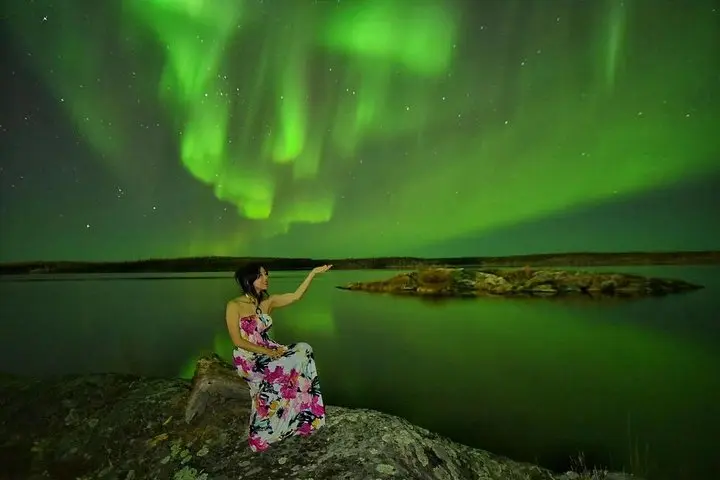
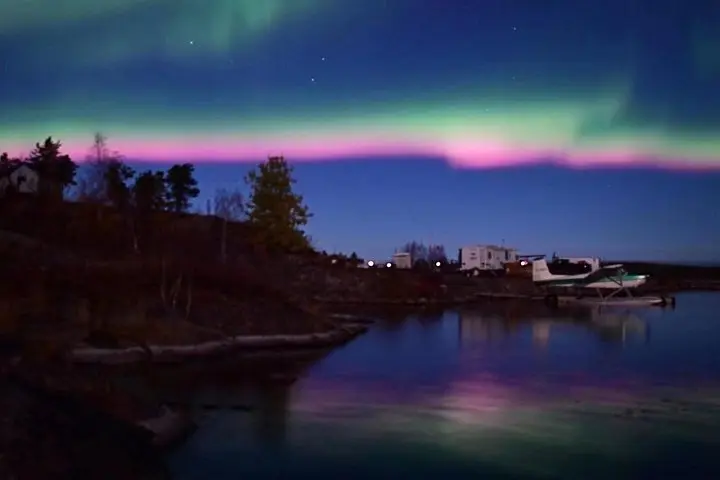
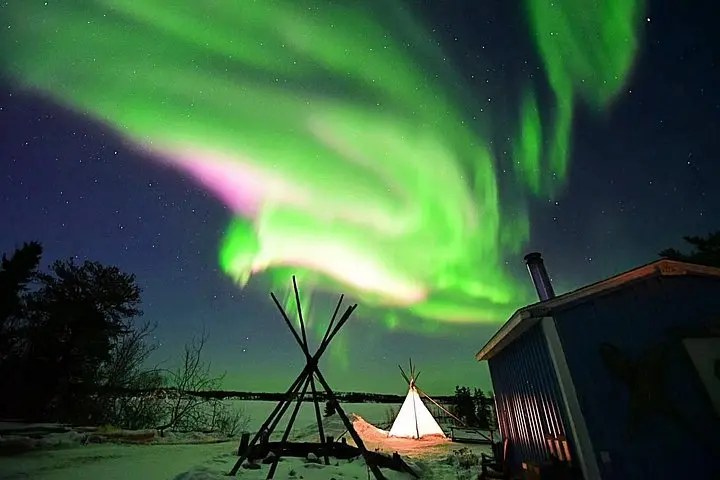
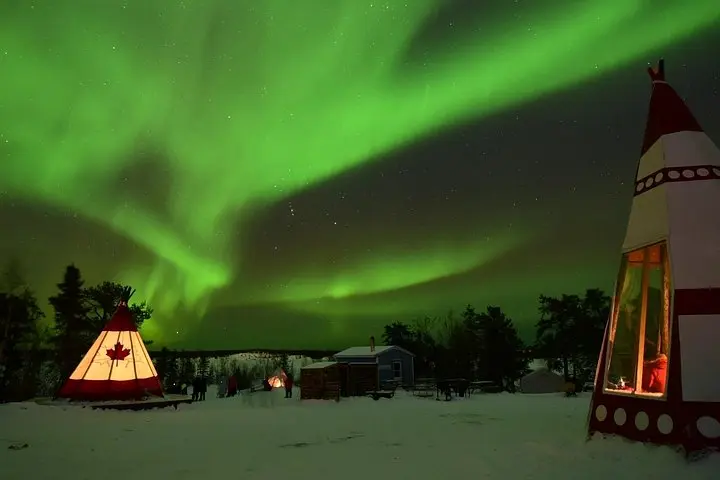
You arrive over frozen light—Yellowknife’s runway a slit of amber against a wide Arctic sky—and by nightfall the dark has weight. Guides steer vans into moonlit boreal openings, campsites smoking from stoves, while the sky waits: green curtains that flicker, fold and sometimes erupt into white and purple.
You arrive over frozen light—Yellowknife’s runway a slit of amber against a wide Arctic sky—and by nightfall the dark has weight. Guides steer vans into moonlit boreal openings, campsites smoking from stoves, while the sky waits: green curtains that flicker, fold and sometimes erupt into white and purple.
Yellowknife sits on the north shore of Great Slave Lake on the Canadian Shield, a landscape scored by ancient granite and winter roads. The area’s history is layered: the Dene peoples who lived with these seasons, the mid-20th-century bush pilots and the gold-rush settlers who shaped a small, resilient city. Cultural life here still mixes Indigenous knowledge, pilot lore and visitor hospitality—expect stories around the fire and practical lessons about cold weather navigation.
The tour blends short daytime activities—city highlights, optional ice fishing or a Cameron Falls hike in shoulder seasons—with nightly aurora hunts. Guides often provide warm drinks, snacks and on-site photography help; transfers from the airport or local Airbnbs are commonly available. Best viewing comes on clear, dark nights between late August and April when geomagnetic activity is higher and daylight hours are short.
Practical pointers: dress in layers with a windproof outer shell, carry a tripod for long-exposure photos, and plan for very low temperatures after midnight. Bring spare batteries (they die fast in the cold), and book nights away from the city lights for the strongest displays. With basic preparation you trade routine for a raw northern show: sky, silence, and motion that keeps you watching until the cold tells you to move.