THE ADVENTURE COLLECTIVE® · Independent discovery and booking for outdoor travel

Spend a day driving Bali’s central highlands from Ubud—walk the famous Tegalalang Rice Terraces, swim under jungle waterfalls, and meet playful macaques on the Kemenuh River. This private, all‑inclusive tour mixes short walks, cultural insight and plenty of photo ops.
Spend a day driving Bali’s central highlands from Ubud—walk the famous Tegalalang Rice Terraces, swim under jungle waterfalls, and meet playful macaques on the Kemenuh River. This private, all‑inclusive tour mixes short walks, cultural insight and plenty of photo ops.
You arrive before the heat builds—a narrow road threaded with scooters, the smell of wet earth and wood smoke drifting from village kitchens. Your driver slips through a curtain of palm fronds, the car pulling up to a shaded viewpoint where the Tegalalang Rice Terraces spread out in layered green. The terraces seem to breathe; water channels nudge the rice toward the next step and the valley exhales. From here the day moves in chapters: carved fields, jungle pools, rocky cascades and a river where monkeys are the unannounced stars.
Verified experiences and guided adventures in the surrounding area.
Operated by Bali Regal Tour · Ubud, Bali
You arrive before the heat builds—a narrow road threaded with scooters, the smell of wet earth and wood smoke drifting from village kitchens. Your driver slips through a curtain of palm fronds, the car pulling up to a shaded viewpoint where the Tegalalang Rice Terraces spread out in layered green. The terraces seem to breathe; water channels nudge the rice toward the next step and the valley exhales. From here the day moves in chapters: carved fields, jungle pools, rocky cascades and a river where monkeys are the unannounced stars.
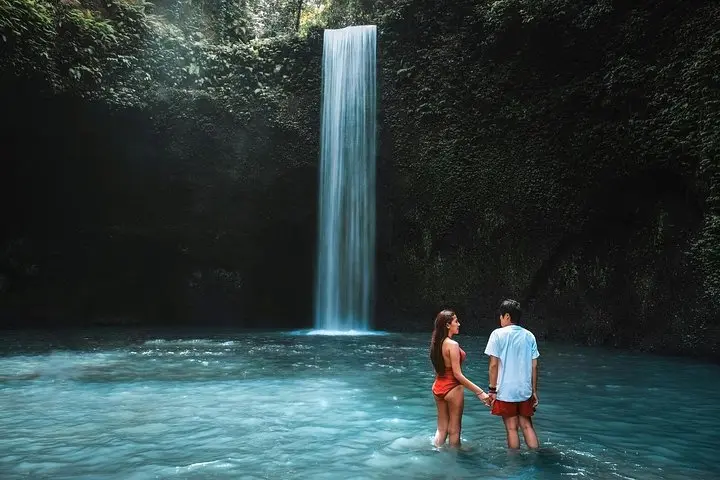
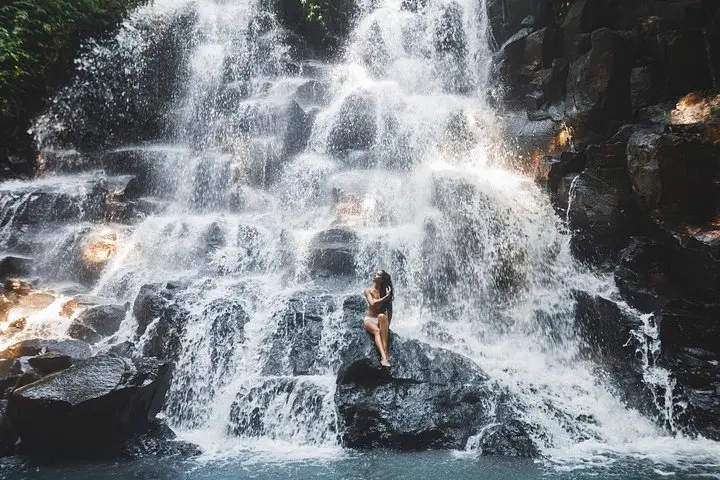
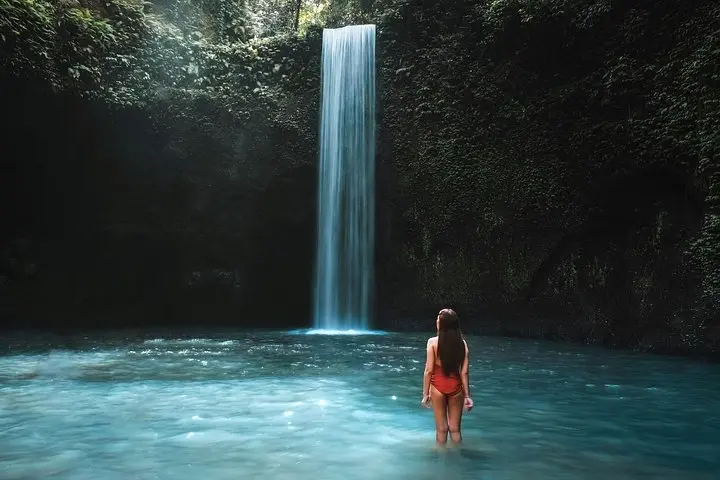
Tegalalang’s stepped fields owe more than aesthetic value. Centuries of agrarian engineering—the Subak irrigation system, a communal method with roots in 9th‑century Balinese water temples—keep these slopes productive. The geology underfoot is volcanic: deep, fertile soils and quick drainage that feed those narrow irrigation channels. Downstream, waterfalls like Tibumana and Kanto Lampo have formed where streams drop off harder volcanic layers, carving plunge pools perfect for a cool dip. Tegenungan, though busier, offers a wide curtain of water and a sense of scale that contrasts with the more secretive Tibumana.
Culture threads through every stop. Local guides often point out small shrines tucked behind rocks and the offerings left at the base of a tree—simple acknowledgements of a landscape treated as living. At Kemenuh Monkey River, macaques crack open palm fruits and inspect visitors, equal parts curious and territorial; a respectful distance and no sudden movements keeps the encounter friendly.
Practically, the tour is ten hours—roughly five hours exploring and five hours driving between sites—so plan for a full day. Most walking is short but can be uneven: expect narrow stone steps and slippery rock around falls. Pack a waterproof case for your phone, quick‑dry layers, and a small first‑aid kit for blisters. Bring cash for small entrance fees and donations at temple stops; tipping your guide and driver is customary and appreciated.
For photography, early light at the rice terraces and late‑afternoon at Tegenungan give the best color and softness. Swim in designated pools only and follow your guide’s instructions—currents and depth vary. If you prefer a gentler pace, arrange with your operator to extend time at one or two sites; the private format makes that easy.
By day’s end you’ll have stood where water has been sculpting Bali for millennia, watched monkeys choreograph their own mischief, and traced the island’s communal relationship with water. It’s an accessible, sensory introduction to central Bali—one that balances moments of quiet wonder with practical logistics so you can enjoy the landscape without guesswork.
The tour is about 10 hours total—roughly five hours of sightseeing and five hours of driving between locations, with private transport and a dedicated driver.
Yes, designated pools at Tibumana and Kanto Lampo allow swimming; follow your guide’s instructions regarding currents and depth.
Macaques are generally not dangerous but are bold; keep a respectful distance, avoid feeding them and secure belongings to prevent grabbing.
Walking is short but can be on uneven stone steps and wet rock; expect 0.5–1 km at each site and a few hundred steps at terraces and falls.
Pickup is available from Ubud and nearby areas; confirm your hotel address at booking—extra charges may apply for locations beyond the standard coverage.
Entrance tickets for the included package are covered; confirm whether meals are included when you book—many operators include bottled water and a light lunch or stop at a local warung.
Bali Regal Tour operates guided outdoor trips and adventures with an emphasis on safety, stewardship, and memorable experiences.
You arrive before the heat builds—a narrow road threaded with scooters, the smell of wet earth and wood smoke drifting from village kitchens. Your driver slips through a curtain of palm fronds, the car pulling up to a shaded viewpoint where the Tegalalang Rice Terraces spread out in layered green. The terraces seem to breathe; water channels nudge the rice toward the next step and the valley exhales. From here the day moves in chapters: carved fields, jungle pools, rocky cascades and a river where monkeys are the unannounced stars.
You arrive before the heat builds—a narrow road threaded with scooters, the smell of wet earth and wood smoke drifting from village kitchens. Your driver slips through a curtain of palm fronds, the car pulling up to a shaded viewpoint where the Tegalalang Rice Terraces spread out in layered green. The terraces seem to breathe; water channels nudge the rice toward the next step and the valley exhales. From here the day moves in chapters: carved fields, jungle pools, rocky cascades and a river where monkeys are the unannounced stars.
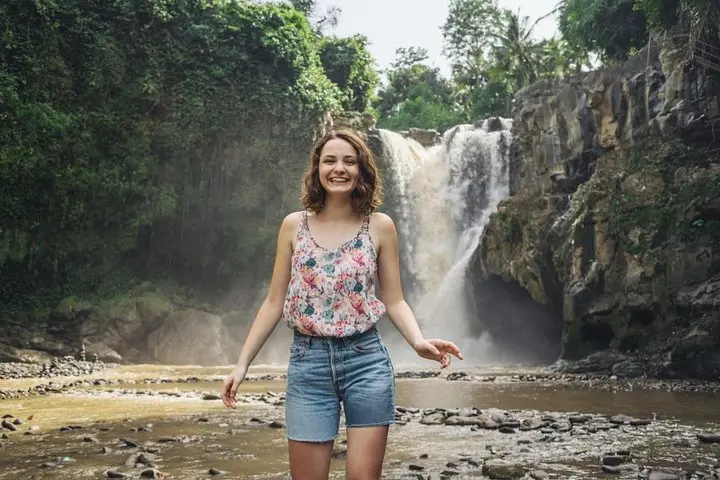
Tegalalang’s stepped fields owe more than aesthetic value. Centuries of agrarian engineering—the Subak irrigation system, a communal method with roots in 9th‑century Balinese water temples—keep these slopes productive. The geology underfoot is volcanic: deep, fertile soils and quick drainage that feed those narrow irrigation channels. Downstream, waterfalls like Tibumana and Kanto Lampo have formed where streams drop off harder volcanic layers, carving plunge pools perfect for a cool dip. Tegenungan, though busier, offers a wide curtain of water and a sense of scale that contrasts with the more secretive Tibumana.
Culture threads through every stop. Local guides often point out small shrines tucked behind rocks and the offerings left at the base of a tree—simple acknowledgements of a landscape treated as living. At Kemenuh Monkey River, macaques crack open palm fruits and inspect visitors, equal parts curious and territorial; a respectful distance and no sudden movements keeps the encounter friendly.
Practically, the tour is ten hours—roughly five hours exploring and five hours driving between sites—so plan for a full day. Most walking is short but can be uneven: expect narrow stone steps and slippery rock around falls. Pack a waterproof case for your phone, quick‑dry layers, and a small first‑aid kit for blisters. Bring cash for small entrance fees and donations at temple stops; tipping your guide and driver is customary and appreciated.
For photography, early light at the rice terraces and late‑afternoon at Tegenungan give the best color and softness. Swim in designated pools only and follow your guide’s instructions—currents and depth vary. If you prefer a gentler pace, arrange with your operator to extend time at one or two sites; the private format makes that easy.
By day’s end you’ll have stood where water has been sculpting Bali for millennia, watched monkeys choreograph their own mischief, and traced the island’s communal relationship with water. It’s an accessible, sensory introduction to central Bali—one that balances moments of quiet wonder with practical logistics so you can enjoy the landscape without guesswork.