THE ADVENTURE COLLECTIVE® · Independent discovery and booking for outdoor travel

Explore organic vineyards, amphora-aged cuvées and cool stone cellars at Château de la Selve in southern Ardèche. This guided, family-friendly domain visit combines vineyard walks with barrel and amphora tastings.
Explore organic vineyards, amphora-aged cuvées and cool stone cellars at Château de la Selve in southern Ardèche. This guided, family-friendly domain visit combines vineyard walks with barrel and amphora tastings.
You step off the shaded lane and the vines spread out, rows crouched and deliberate, the garrigue scenting the air as sunlight slants across limestone ridges. The Château de la Selve sits low on the horizon, its stone walls a quiet border between cultivated rows and wild scrub. A guide from the domaine meets you with weathered hands and an easy smile, ready to walk you through soil, vine and barrel.
Verified experiences and guided adventures in the surrounding area.
Operated by Château de la Selve · Aubenas, Auvergne-Rhône-Alpes
You step off the shaded lane and the vines spread out, rows crouched and deliberate, the garrigue scenting the air as sunlight slants across limestone ridges. The Château de la Selve sits low on the horizon, its stone walls a quiet border between cultivated rows and wild scrub. A guide from the domaine meets you with weathered hands and an easy smile, ready to walk you through soil, vine and barrel.
The southern Ardèche is a landscape of folded limestone and fluvial terraces; soils here lean toward clay-limestone mixes that produce wines with bright mineral lift. The estate has shifted toward organic and biodynamic practices, working with seasonal rhythms and amphora ageing alongside traditional barrels — a method rooted in both local winemaking history and ancient techniques that harken back to Mediterranean amphora culture.
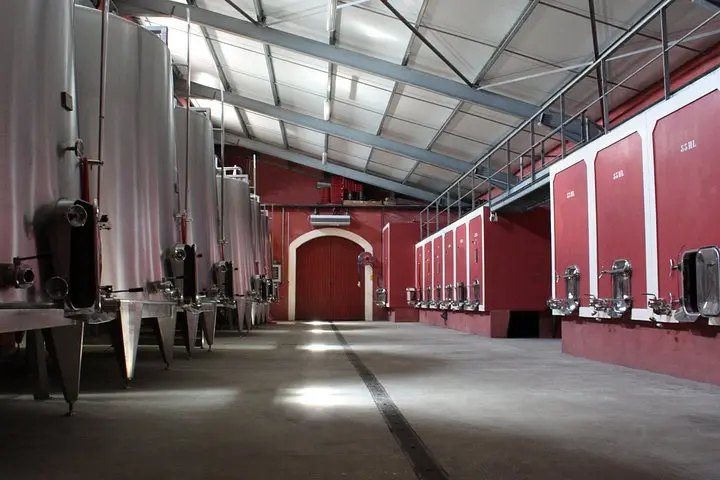
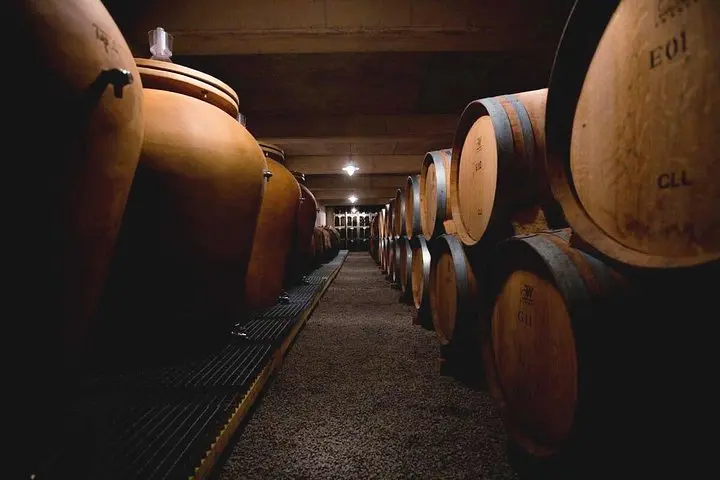
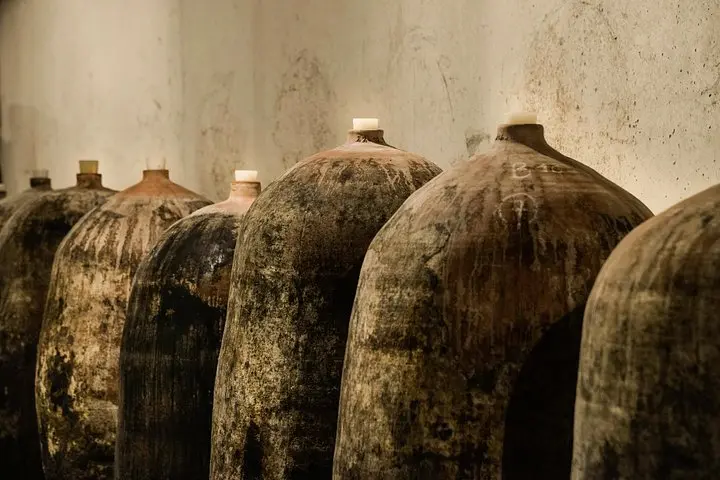
The tour moves from the vineyard to the vat room to the cool cellar: plant health, canopy pruning and biodynamic inputs are explained plainly, then you see fermentation vessels and amphorae stacked like earthen lungs. Tasting follows in the cellar, where brut de cuvées, barrel-aged wines and amphora rests invite comparison and conversation. Children receive a game booklet to explore the estate safely; accessibility is noted throughout.
Practicalities: the visit runs about two hours, mostly on flat paths with brief steps into the cellar. Wear sturdy shoes for gravel and a light jacket — cellars stay cool. Bring a bottle of water, pace tastings and designate a driver if sampling. If you prefer quieter moments, ask to taste on barrel or amphora; hosts often accommodate private groups. The visit balances sensory discovery with practical context, leaving you informed and ready to carry few new favorites home.
Yes — the estate provides a child-friendly activity booklet and the walk is gentle, but children should be supervised in the cellar and around vats.
Many parts of the property are accessible and transportation options are listed as wheelchair-accessible, but notify the host of specific needs when booking to confirm arrangements.
Tasting typically includes nine cuvées, often featuring barrel and amphora-aged examples; portions are tasting-sized and explained by the guide.
Yes — the domaine usually offers bottles for sale after the tasting; bring a tote or request packing if you need transport-friendly wrapping.
Château de la Selve operates guided outdoor trips and adventures with an emphasis on safety, stewardship, and memorable experiences.
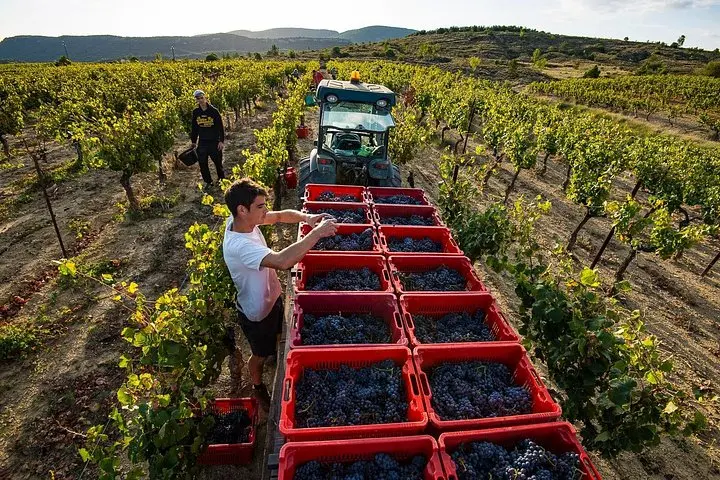
You step off the shaded lane and the vines spread out, rows crouched and deliberate, the garrigue scenting the air as sunlight slants across limestone ridges. The Château de la Selve sits low on the horizon, its stone walls a quiet border between cultivated rows and wild scrub. A guide from the domaine meets you with weathered hands and an easy smile, ready to walk you through soil, vine and barrel.
You step off the shaded lane and the vines spread out, rows crouched and deliberate, the garrigue scenting the air as sunlight slants across limestone ridges. The Château de la Selve sits low on the horizon, its stone walls a quiet border between cultivated rows and wild scrub. A guide from the domaine meets you with weathered hands and an easy smile, ready to walk you through soil, vine and barrel.
The southern Ardèche is a landscape of folded limestone and fluvial terraces; soils here lean toward clay-limestone mixes that produce wines with bright mineral lift. The estate has shifted toward organic and biodynamic practices, working with seasonal rhythms and amphora ageing alongside traditional barrels — a method rooted in both local winemaking history and ancient techniques that harken back to Mediterranean amphora culture.
The tour moves from the vineyard to the vat room to the cool cellar: plant health, canopy pruning and biodynamic inputs are explained plainly, then you see fermentation vessels and amphorae stacked like earthen lungs. Tasting follows in the cellar, where brut de cuvées, barrel-aged wines and amphora rests invite comparison and conversation. Children receive a game booklet to explore the estate safely; accessibility is noted throughout.
Practicalities: the visit runs about two hours, mostly on flat paths with brief steps into the cellar. Wear sturdy shoes for gravel and a light jacket — cellars stay cool. Bring a bottle of water, pace tastings and designate a driver if sampling. If you prefer quieter moments, ask to taste on barrel or amphora; hosts often accommodate private groups. The visit balances sensory discovery with practical context, leaving you informed and ready to carry few new favorites home.