THE ADVENTURE COLLECTIVE® · Independent discovery and booking for outdoor travel

Explore Château Lanessan’s Tudor manor, horse museum, and barrel cellars on a one‑hour guided tour that includes a barrel tasting and two wines. Learn how Médoc’s gravel soils and Atlantic influence shape the wines while strolling an eight‑hectare park.
Explore Château Lanessan’s Tudor manor, horse museum, and barrel cellars on a one‑hour guided tour that includes a barrel tasting and two wines. Learn how Médoc’s gravel soils and Atlantic influence shape the wines while strolling an eight‑hectare park.
A cool breeze moves through rows of vines as you walk up the drive toward Château Lanessan, a late 19th‑century Tudor‑style manor set against the low hills of the Médoc. The estate’s eight‑hectare park opens like a quiet stage: horses in the museum seem to watch, the barrel cellars breathe the cool, musty air of aging wine, and the vines dare you to read their season by leaf and berry.
Verified experiences and guided adventures in the surrounding area.
Operated by Château Lanessan · Cussac-Fort-Médoc, Gironde
A cool breeze moves through rows of vines as you walk up the drive toward Château Lanessan, a late 19th‑century Tudor‑style manor set against the low hills of the Médoc. The estate’s eight‑hectare park opens like a quiet stage: horses in the museum seem to watch, the barrel cellars breathe the cool, musty air of aging wine, and the vines dare you to read their season by leaf and berry.
Built by architect Duphot, Lanessan sits in Gironde on the gravelly soils that helped define Bordeaux’s left bank viticulture. The property’s park and horse museum reflect a period when estates combined agricultural production with leisure and equestrian culture; today the cellars continue that link, translating terroir into tannin and aroma.
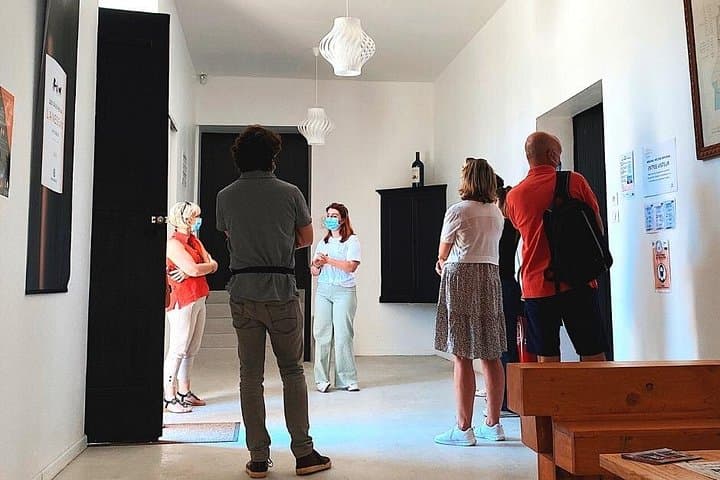
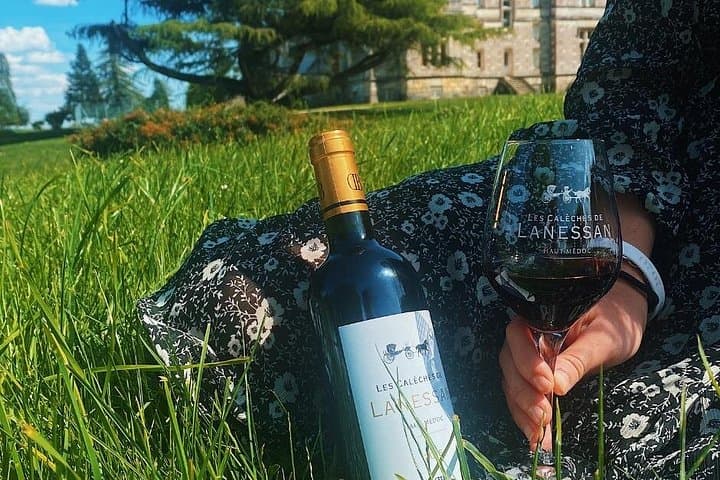
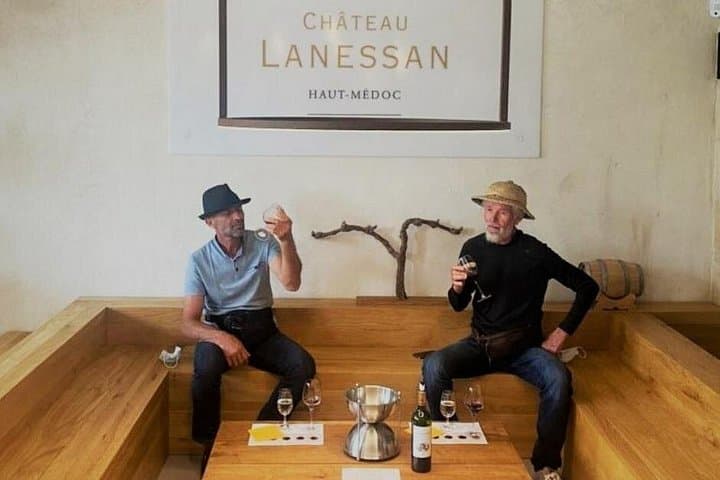
On the hour‑long tour expect a walk through the garden and stables, a cellar visit where the proprietor’s practices are explained, and a guided tasting — often a barrel pour and two wines ready to drink. Guides frame tasting through technique and place: how Médoc’s gravel and Atlantic influence shape structure and acidity.
Practicalities are straightforward. Tours run about 60 minutes, are accessible with strollers, and are suitable for most fitness levels. Wear sturdy shoes for uneven paths, bring a light layer for cool cellars, and plan transport — Médoc roads are rural and public transit is limited. If you’re driving, designate a sober driver or book a local transfer; if you’re staying in Bordeaux, allow 45–60 minutes each way. The experience balances relaxed country charm with hands‑on wine education — ideal for travelers who want context as much as a pour.
Yes; the experience includes a barrel tasting and two wines ready to drink as part of the one‑hour tour.
The park is stroller accessible and the tour is suitable for most mobility levels, but some cellar areas may have uneven surfaces—ask staff for assistance.
Children are allowed; non‑alcoholic options such as fruit juice are provided when needed.
Driving is the quickest option (about 45–60 minutes). Public transit is limited; consider a taxi or organized transfer from Bordeaux for convenience.
Château Lanessan operates guided outdoor trips and adventures with an emphasis on safety, stewardship, and memorable experiences.
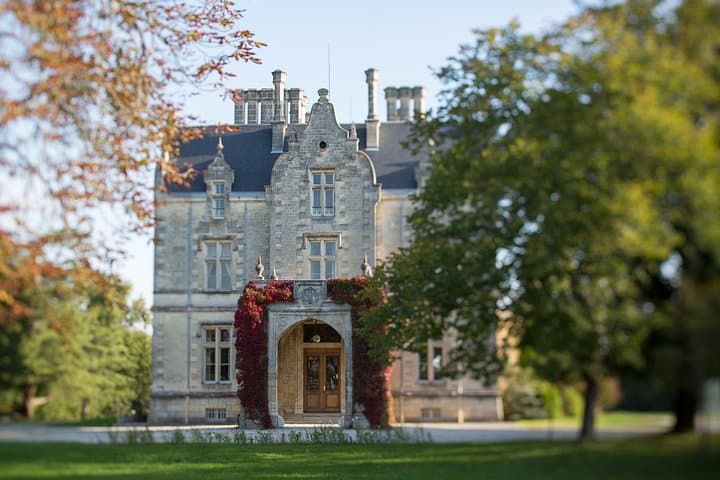
A cool breeze moves through rows of vines as you walk up the drive toward Château Lanessan, a late 19th‑century Tudor‑style manor set against the low hills of the Médoc. The estate’s eight‑hectare park opens like a quiet stage: horses in the museum seem to watch, the barrel cellars breathe the cool, musty air of aging wine, and the vines dare you to read their season by leaf and berry.
A cool breeze moves through rows of vines as you walk up the drive toward Château Lanessan, a late 19th‑century Tudor‑style manor set against the low hills of the Médoc. The estate’s eight‑hectare park opens like a quiet stage: horses in the museum seem to watch, the barrel cellars breathe the cool, musty air of aging wine, and the vines dare you to read their season by leaf and berry.
Built by architect Duphot, Lanessan sits in Gironde on the gravelly soils that helped define Bordeaux’s left bank viticulture. The property’s park and horse museum reflect a period when estates combined agricultural production with leisure and equestrian culture; today the cellars continue that link, translating terroir into tannin and aroma.
On the hour‑long tour expect a walk through the garden and stables, a cellar visit where the proprietor’s practices are explained, and a guided tasting — often a barrel pour and two wines ready to drink. Guides frame tasting through technique and place: how Médoc’s gravel and Atlantic influence shape structure and acidity.
Practicalities are straightforward. Tours run about 60 minutes, are accessible with strollers, and are suitable for most fitness levels. Wear sturdy shoes for uneven paths, bring a light layer for cool cellars, and plan transport — Médoc roads are rural and public transit is limited. If you’re driving, designate a sober driver or book a local transfer; if you’re staying in Bordeaux, allow 45–60 minutes each way. The experience balances relaxed country charm with hands‑on wine education — ideal for travelers who want context as much as a pour.