THE ADVENTURE COLLECTIVE® · Independent discovery and booking for outdoor travel

A private, chauffeur-driven day trip from Tokyo that pairs Kawaguchiko’s mirror-like views of Mount Fuji with a Hakone ropeway climb and Lake Ashi boat cruise. Expect 7–10 hours of scenic drives, short walks, and hands-on local stops.
A private, chauffeur-driven day trip from Tokyo that pairs Kawaguchiko’s mirror-like views of Mount Fuji with a Hakone ropeway climb and Lake Ashi boat cruise. Expect 7–10 hours of scenic drives, short walks, and hands-on local stops.
The road out of Tokyo opens like a curtain: expressways trade neon for rice paddies, and the first hint of Fuji’s cone rises above low clouds. On a private chauffeured tour the rhythm is yours—windows down, a guide pointing out roadside shrines—and by midmorning you’re parked at Lake Kawaguchi watching the mountain assert itself across glassy water.
Verified experiences and guided adventures in the surrounding area.
Operated by Tokyo Grand Tours · Fujikawaguchiko, Yamanashi Prefecture
The road out of Tokyo opens like a curtain: expressways trade neon for rice paddies, and the first hint of Fuji’s cone rises above low clouds. On a private chauffeured tour the rhythm is yours—windows down, a guide pointing out roadside shrines—and by midmorning you’re parked at Lake Kawaguchi watching the mountain assert itself across glassy water.
Lake Kawaguchi sits at roughly 850 meters above sea level and, on a clear day, provides one of the cleanest framed views of Mount Fuji’s 3,776-meter summit. The tour’s schedule leans practical: a secret secluded viewing spot for 30–45 minutes, time to wander Oishi Park’s shoreline, then lunch at a local soba or donburi shop where steam and soy-sweet flavors feel like a low-key celebration.
From Kawaguchiko the route drops toward Hakone, a region long celebrated in Japanese travel lore. For centuries travelers on the Tokaido road skirted Hakone’s volcanic slopes; today the place is known for hot springs, a small naval of inns, and Lake Ashi’s brooding waters. A 20–30 minute pirate-ship cruise across Lake Ashi gives a different line on Fuji—layered hills, cedar forests, and the occasional ripple of wind pushing the boat forward.
The itinerary finishes with a ride on the Hakone Ropeway into Owakudani, the volcanic valley where sulfurous vents still hiss and the ground remembers fire. Expect a light sulfur smell and steaming fumaroles; the ropeway climbs quickly, revealing the volcanic caldera’s black rock and scrubby highland vegetation.
Practicalities are simple but decisive. The full excursion runs 7–10 hours depending on traffic; plan for two hours each way from central Tokyo in typical conditions. The tour is private and includes hotel pickup within Tokyo’s 23 wards; ropeway fares and some local admissions can be pay-as-you-go. Dress in layers—the temperature at Owakudani can be 5–10°C cooler than Kawaguchi—and bring sturdy shoes for slippery boardwalks near hot vents and waterfront paths. Hydrate: the day moves at your pace, but you’ll appreciate bottled water after climbing short staircases and hopping between viewpoints.
If visibility is a priority, aim for early departures in late autumn or winter when Fuji often shows a crisp, snow-capped profile. Be prepared for closures: volcanic activity or poor air quality can limit access to Owakudani. For conservation-minded travelers, stick to marked paths around fragile vegetation and support small local eateries and guides — their knowledge keeps these viewpoints accessible.
By late afternoon you’ll be back on the highway, the mountain shrinking into the rearview. The day is uncomplicated—managing time, weather and simple logistics makes it memorable. It’s an efficient, human-paced way to meet Fuji and the volcanic fringes of Hakone without the climb, but with all the rewards of good vantage points and local flavors.
The tour runs approximately 7–10 hours depending on traffic; pickups are arranged from hotels within Tokyo’s 23 wards—confirm your preferred departure time when booking.
Transport by private vehicle, driver/guide and bottled water are included; ropeway fares and some local boat or attraction tickets are typically paid locally unless otherwise specified.
No—visibility depends on weather and season; mornings in late autumn and winter offer the clearest views, while summer often brings haze or cloud cover.
Yes—infant seats are available and strollers are accessible; note there are short walks and stairs at viewpoints and ropeway stations.
Owakudani is an active volcanic area; access can be restricted for safety when sulfur gas levels are high. Your guide will adjust the itinerary if closures occur.
Yes—this private tour is flexible and can be adjusted for pace, meal preferences or additional stops; communicate requests when booking.
Tokyo Grand Tours operates guided outdoor trips and adventures with an emphasis on safety, stewardship, and memorable experiences.
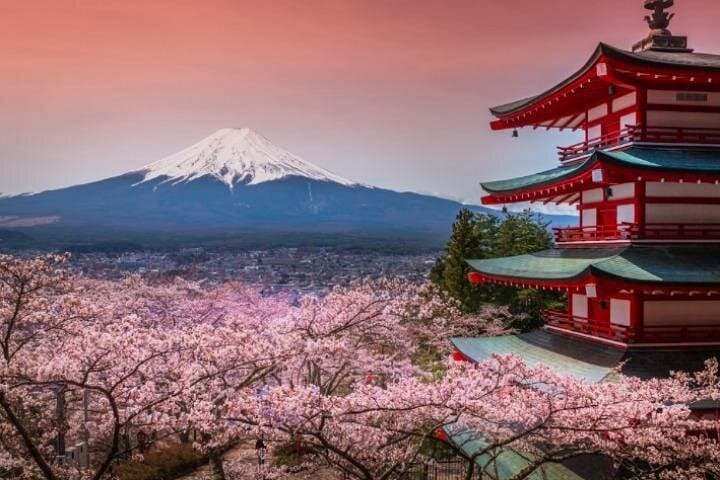
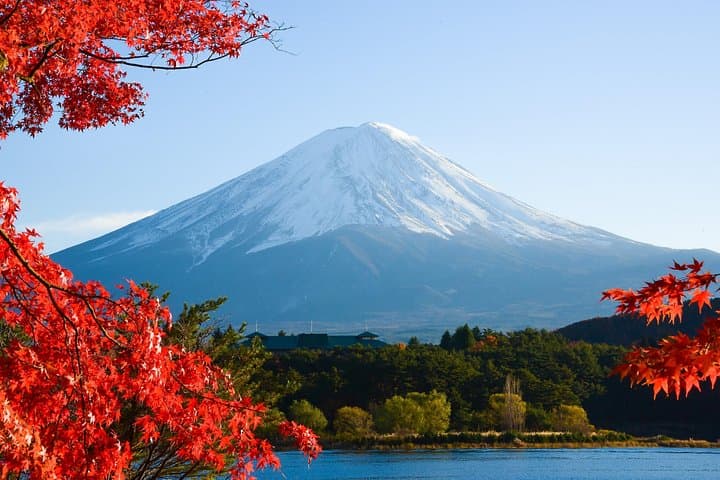
The road out of Tokyo opens like a curtain: expressways trade neon for rice paddies, and the first hint of Fuji’s cone rises above low clouds. On a private chauffeured tour the rhythm is yours—windows down, a guide pointing out roadside shrines—and by midmorning you’re parked at Lake Kawaguchi watching the mountain assert itself across glassy water.
The road out of Tokyo opens like a curtain: expressways trade neon for rice paddies, and the first hint of Fuji’s cone rises above low clouds. On a private chauffeured tour the rhythm is yours—windows down, a guide pointing out roadside shrines—and by midmorning you’re parked at Lake Kawaguchi watching the mountain assert itself across glassy water.
Lake Kawaguchi sits at roughly 850 meters above sea level and, on a clear day, provides one of the cleanest framed views of Mount Fuji’s 3,776-meter summit. The tour’s schedule leans practical: a secret secluded viewing spot for 30–45 minutes, time to wander Oishi Park’s shoreline, then lunch at a local soba or donburi shop where steam and soy-sweet flavors feel like a low-key celebration.
From Kawaguchiko the route drops toward Hakone, a region long celebrated in Japanese travel lore. For centuries travelers on the Tokaido road skirted Hakone’s volcanic slopes; today the place is known for hot springs, a small naval of inns, and Lake Ashi’s brooding waters. A 20–30 minute pirate-ship cruise across Lake Ashi gives a different line on Fuji—layered hills, cedar forests, and the occasional ripple of wind pushing the boat forward.
The itinerary finishes with a ride on the Hakone Ropeway into Owakudani, the volcanic valley where sulfurous vents still hiss and the ground remembers fire. Expect a light sulfur smell and steaming fumaroles; the ropeway climbs quickly, revealing the volcanic caldera’s black rock and scrubby highland vegetation.
Practicalities are simple but decisive. The full excursion runs 7–10 hours depending on traffic; plan for two hours each way from central Tokyo in typical conditions. The tour is private and includes hotel pickup within Tokyo’s 23 wards; ropeway fares and some local admissions can be pay-as-you-go. Dress in layers—the temperature at Owakudani can be 5–10°C cooler than Kawaguchi—and bring sturdy shoes for slippery boardwalks near hot vents and waterfront paths. Hydrate: the day moves at your pace, but you’ll appreciate bottled water after climbing short staircases and hopping between viewpoints.
If visibility is a priority, aim for early departures in late autumn or winter when Fuji often shows a crisp, snow-capped profile. Be prepared for closures: volcanic activity or poor air quality can limit access to Owakudani. For conservation-minded travelers, stick to marked paths around fragile vegetation and support small local eateries and guides — their knowledge keeps these viewpoints accessible.
By late afternoon you’ll be back on the highway, the mountain shrinking into the rearview. The day is uncomplicated—managing time, weather and simple logistics makes it memorable. It’s an efficient, human-paced way to meet Fuji and the volcanic fringes of Hakone without the climb, but with all the rewards of good vantage points and local flavors.