THE ADVENTURE COLLECTIVE® · Independent discovery and booking for outdoor travel

Walk through the living history of Manhattan’s Chinatown while visiting three eclectic bars with a licensed guide. This three-hour tour blends local stories, neighborhood context, and curated drinking stops — ideal for travelers who want flavor and insight in one outing.
Walk through the living history of Manhattan’s Chinatown while visiting three eclectic bars with a licensed guide. This three-hour tour blends local stories, neighborhood context, and curated drinking stops — ideal for travelers who want flavor and insight in one outing.
You step off Canal Street and the noise of Manhattan shifts — horns trading places with chatter in Cantonese, neon signs angling light across slick pavement. This three-hour walking bar crawl threads Mott and Doyers Streets, where steam vents and hand-painted signs share space with low-slung bars; your guide points out storefront histories between pours, and a camera captures your group against a backdrop of lanterns and graffiti.
Verified experiences and guided adventures in the surrounding area.
Operated by C Circle Tours · New York, New York
You step off Canal Street and the noise of Manhattan shifts — horns trading places with chatter in Cantonese, neon signs angling light across slick pavement. This three-hour walking bar crawl threads Mott and Doyers Streets, where steam vents and hand-painted signs share space with low-slung bars; your guide points out storefront histories between pours, and a camera captures your group against a backdrop of lanterns and graffiti.
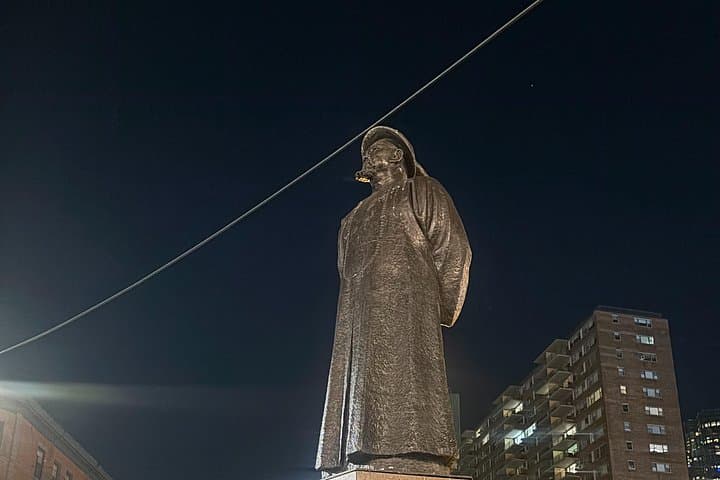
Chinatown grew from 19th-century immigration, expanding around the docks and garment trades. The neighborhood’s built fabric reflects layers of landfill and Manhattan schist — narrow alleys and former tenements that became family businesses. You’ll hear stories of early immigrants, community associations, and how cuisine, religion and commerce shaped each block.
Expect a paced urban walk with stops at three eclectic bars — from a converted ground-floor speakeasy to a bustling tapas-like room — paired with local anecdotes about the area’s cultural evolution. Guides usually take photos, explain menu items, and answer neighborhood questions.
Practical notes: carry a government ID (drinks served only to those of legal age), wear comfortable shoes for uneven sidewalks and occasional stairs, and move between venues with the group; NYC subway and buses provide the easiest access. Hydrate and eat beforehand if you plan to sample extensively; tipping and courteous behavior in small bars keep doors open for tours like this. The tour is wheelchair accessible in many parts but confirm specifics if mobility is a concern. By the end you’ll have sipped local flavor and left with a clearer sense of Chinatown’s living history.
The meeting point is in front of the "NYC Gifts Town" shop on Canal Street; the tour finishes at Apotheke Chinatown bar.
The tour listing notes wheelchair accessibility, but confirm specific venue access when booking as some bars may have steps.
All sales are final per the booking terms — there are no refunds for cancellations.
Yes — licensed guides commonly take photos of the group, and they can answer questions about Chinatown's history and culture.
C Circle Tours operates guided outdoor trips and adventures with an emphasis on safety, stewardship, and memorable experiences.
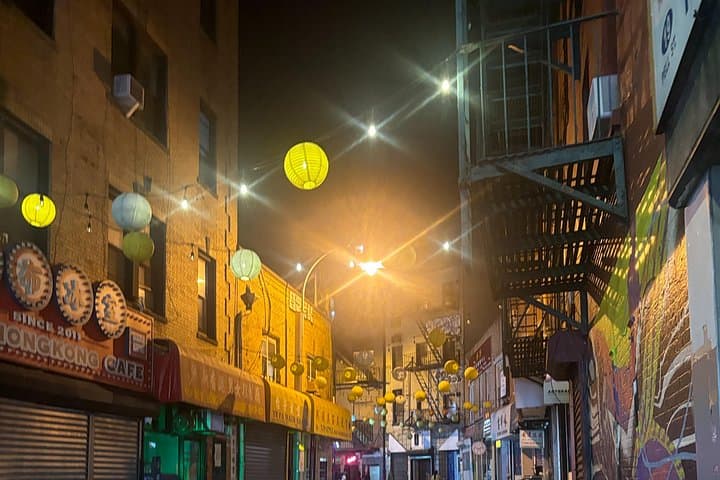
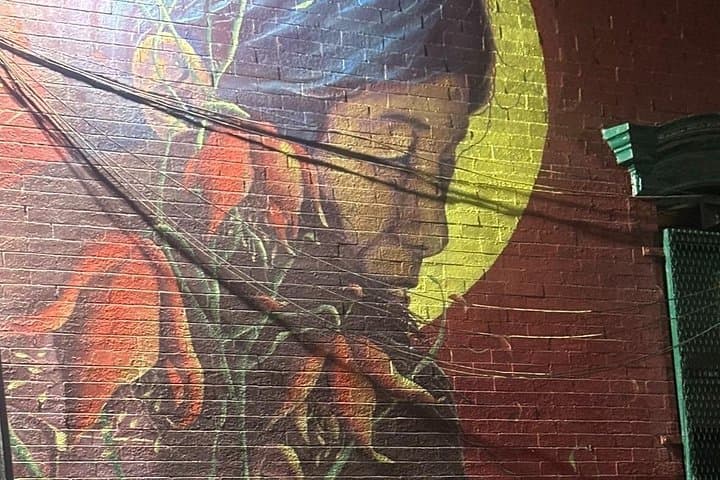
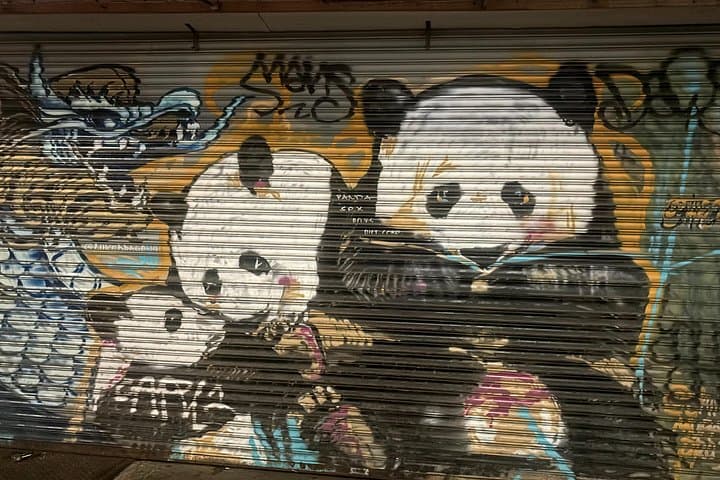
You step off Canal Street and the noise of Manhattan shifts — horns trading places with chatter in Cantonese, neon signs angling light across slick pavement. This three-hour walking bar crawl threads Mott and Doyers Streets, where steam vents and hand-painted signs share space with low-slung bars; your guide points out storefront histories between pours, and a camera captures your group against a backdrop of lanterns and graffiti.
You step off Canal Street and the noise of Manhattan shifts — horns trading places with chatter in Cantonese, neon signs angling light across slick pavement. This three-hour walking bar crawl threads Mott and Doyers Streets, where steam vents and hand-painted signs share space with low-slung bars; your guide points out storefront histories between pours, and a camera captures your group against a backdrop of lanterns and graffiti.
Chinatown grew from 19th-century immigration, expanding around the docks and garment trades. The neighborhood’s built fabric reflects layers of landfill and Manhattan schist — narrow alleys and former tenements that became family businesses. You’ll hear stories of early immigrants, community associations, and how cuisine, religion and commerce shaped each block.
Expect a paced urban walk with stops at three eclectic bars — from a converted ground-floor speakeasy to a bustling tapas-like room — paired with local anecdotes about the area’s cultural evolution. Guides usually take photos, explain menu items, and answer neighborhood questions.
Practical notes: carry a government ID (drinks served only to those of legal age), wear comfortable shoes for uneven sidewalks and occasional stairs, and move between venues with the group; NYC subway and buses provide the easiest access. Hydrate and eat beforehand if you plan to sample extensively; tipping and courteous behavior in small bars keep doors open for tours like this. The tour is wheelchair accessible in many parts but confirm specifics if mobility is a concern. By the end you’ll have sipped local flavor and left with a clearer sense of Chinatown’s living history.