THE ADVENTURE COLLECTIVE® · Independent discovery and booking for outdoor travel

Drive into the Rif Mountains and step into Chefchaouen’s luminous blue medina on a private full-day tour from Tangier. This guide covers history, geology, what you’ll see, and practical tips—timing, walking conditions, and what to pack.
Drive into the Rif Mountains and step into Chefchaouen’s luminous blue medina on a private full-day tour from Tangier. This guide covers history, geology, what you’ll see, and practical tips—timing, walking conditions, and what to pack.
A bumpy highway slips away and the Rif Mountains close in; blue-washed alleys appear like a sudden tide, pushing you into Chefchaouen’s painted medina. The town’s steep lanes smell of orange blossom and simmering tagine, while whitewashed houses take on a cerulean glow as afternoon light slides across their facades.
Verified experiences and guided adventures in the surrounding area.
Operated by Aziz Saint Laurent Private Tours · Chefchaouen, Tanger-Tetouan-Al Hoceima
A bumpy highway slips away and the Rif Mountains close in; blue-washed alleys appear like a sudden tide, pushing you into Chefchaouen’s painted medina. The town’s steep lanes smell of orange blossom and simmering tagine, while whitewashed houses take on a cerulean glow as afternoon light slides across their facades.
Founded in 1471 by Moorish and Jewish refugees fleeing the Reconquista, Chefchaouen retains an Andalusian street plan and an old-medina rhythm: vendors call softly from shadowed doorways, and the Kasbah anchors Outa el Hammam square. Geologically, the town sits on limestone folds of the Rif—ridges that force mountain streams to tumble into small waterfalls like Ras El Maa, which still pushes fresh water through the lower streets.
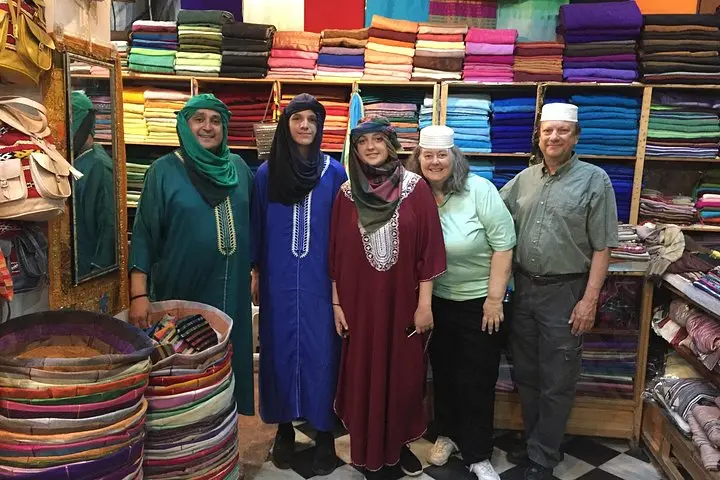
Culture here is practical and tactile: hand-spun textiles, indigo-dyed wares, and rooftop terraces where farmers dry herbs. A Ministry-approved private guide will trace these layers—history, craft, and market—while keeping you oriented on steep, cobbled steps.
Practical edge: expect a 2–3 hour drive each way from Tangier for a 7–8 hour outing, much of it walking on uneven cobbles. Carry local cash (Moroccan dirham) for small purchases, wear grippy shoes, and plan to arrive before midday heat in summer. The private vehicle is air-conditioned and pickup logistics are flexible; Kasbah Museum may charge a small admission and the Ras El Maa spring is a short, pleasant stroll from the medina. Move deliberately through the blue streets—photograph respectfully, support local artisans, and leave no trace of your visit.
Expect roughly 2–3 hours each way depending on traffic and stops—this tour is a full-day commitment (about 7–8 hours total).
Lunch is typically not included; most private tours stop at a local restaurant where you can choose Moroccan dishes and pay on site.
Yes; the walking pace is relaxed, but parents and older travelers should be prepared for uneven cobbles and some stair sections.
Most small sites like the Kasbah Museum sell on-site tickets; your private guide can handle admissions and timings for you.
Aziz Saint Laurent Private Tours operates guided outdoor trips and adventures with an emphasis on safety, stewardship, and memorable experiences.
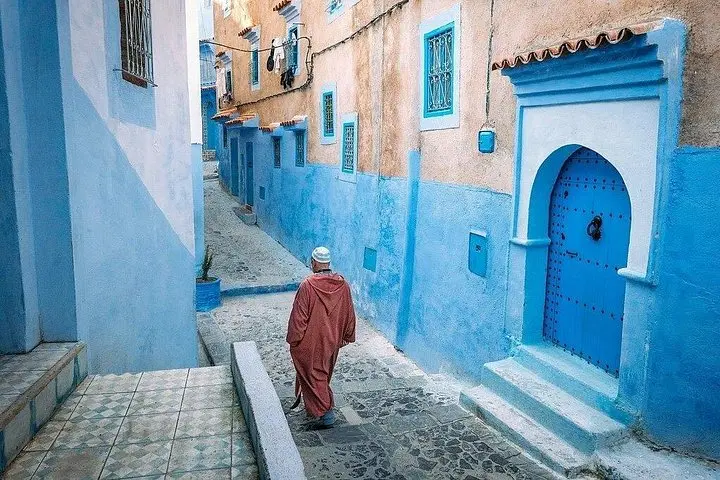
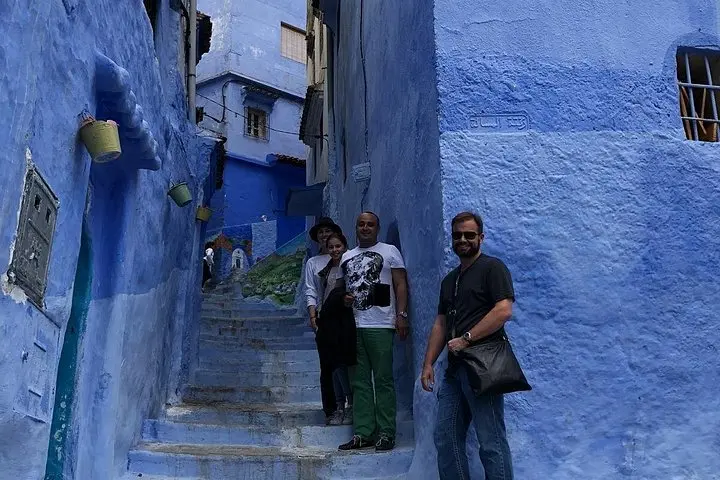
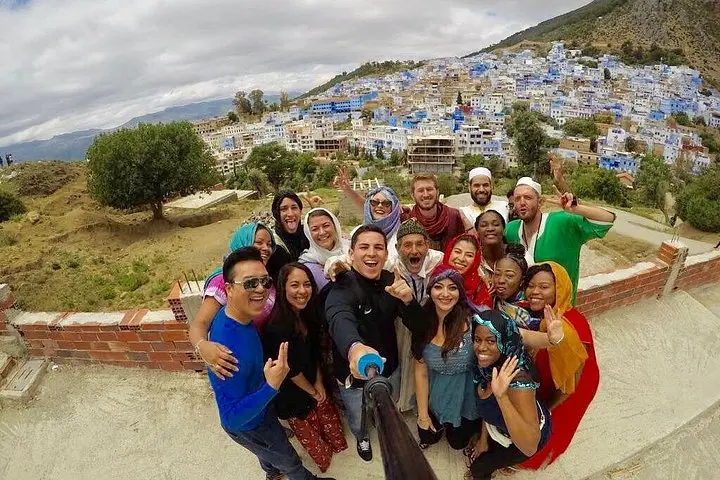
A bumpy highway slips away and the Rif Mountains close in; blue-washed alleys appear like a sudden tide, pushing you into Chefchaouen’s painted medina. The town’s steep lanes smell of orange blossom and simmering tagine, while whitewashed houses take on a cerulean glow as afternoon light slides across their facades.
A bumpy highway slips away and the Rif Mountains close in; blue-washed alleys appear like a sudden tide, pushing you into Chefchaouen’s painted medina. The town’s steep lanes smell of orange blossom and simmering tagine, while whitewashed houses take on a cerulean glow as afternoon light slides across their facades.
Founded in 1471 by Moorish and Jewish refugees fleeing the Reconquista, Chefchaouen retains an Andalusian street plan and an old-medina rhythm: vendors call softly from shadowed doorways, and the Kasbah anchors Outa el Hammam square. Geologically, the town sits on limestone folds of the Rif—ridges that force mountain streams to tumble into small waterfalls like Ras El Maa, which still pushes fresh water through the lower streets.
Culture here is practical and tactile: hand-spun textiles, indigo-dyed wares, and rooftop terraces where farmers dry herbs. A Ministry-approved private guide will trace these layers—history, craft, and market—while keeping you oriented on steep, cobbled steps.
Practical edge: expect a 2–3 hour drive each way from Tangier for a 7–8 hour outing, much of it walking on uneven cobbles. Carry local cash (Moroccan dirham) for small purchases, wear grippy shoes, and plan to arrive before midday heat in summer. The private vehicle is air-conditioned and pickup logistics are flexible; Kasbah Museum may charge a small admission and the Ras El Maa spring is a short, pleasant stroll from the medina. Move deliberately through the blue streets—photograph respectfully, support local artisans, and leave no trace of your visit.