THE ADVENTURE COLLECTIVE® · Independent discovery and booking for outdoor travel

Spend a full day exploring Chefchaouen’s famous blue medina on a private tour from Tangier. This guide covers what to expect on foot, local history and practical tips for timing, gear and photography.
Spend a full day exploring Chefchaouen’s famous blue medina on a private tour from Tangier. This guide covers what to expect on foot, local history and practical tips for timing, gear and photography.
You arrive along a winding road through the Rif: olive terraces, low-stone villages and the distant crest of the Jbala Mountains. The first glimpse of Chefchaouen’s medina stops you — alleys washed in several tones of sky-blue, laundry and sunlit doorways creating tight frames for street life.
Verified experiences and guided adventures in the surrounding area.
Operated by Achraf's Private tours · Chefchaouen, Tangier-Tetouan-Al Hoceima
You arrive along a winding road through the Rif: olive terraces, low-stone villages and the distant crest of the Jbala Mountains. The first glimpse of Chefchaouen’s medina stops you — alleys washed in several tones of sky-blue, laundry and sunlit doorways creating tight frames for street life.
Chefchaouen sits at roughly 600 m on the Rif’s northern slopes. Founded in the 15th century by Moorish exiles, the town preserves Andalusian forms in its narrow lanes, riad-style houses and local craft traditions. Geologically, the Rif is folded limestone and shale; the town’s position gives clear views down to agricultural valleys and up toward stony ridgelines where shepherds graze.
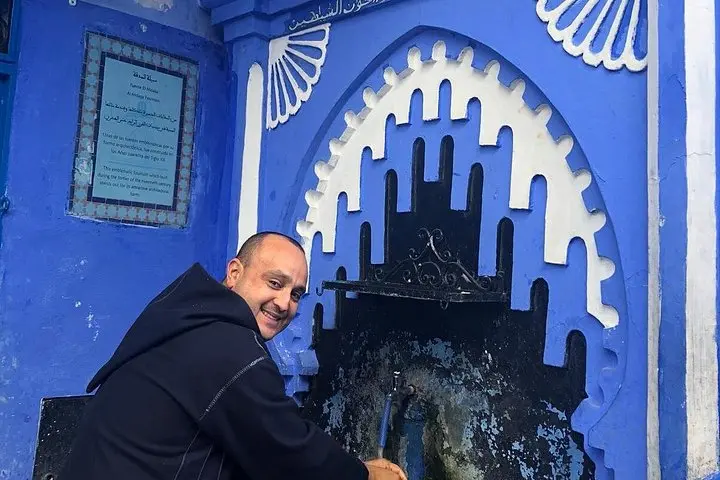
The guide walks with you into Outa el Hammam square, past the small Kasbah and toward Ras El Maa spring where mountain water spills into stone channels, daring you to pause. Local artisans keep weaving, dyeing and renovating the same techniques used across generations — pottery, woven blankets and cedar woodwork.
Practical guidance: plan for eight hours total with private transport from Tangier. Expect uneven cobbles, some short stairways and crowded alleys in peak season. Wear grippy shoes and bring a lightweight daypack with water; a hat and sunscreen are essential in summer. Morning light is best for photos and cooler walking; late afternoon offers quieter streets and soft shadow contrasts.
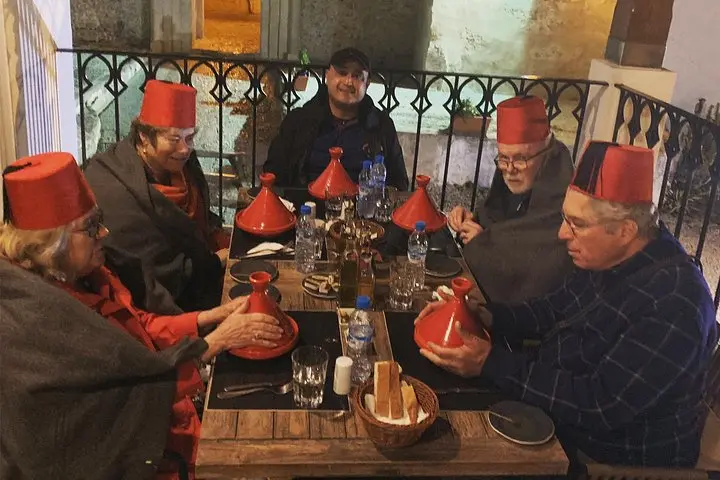
Respect local customs: modest dress in some neighborhoods, ask before photographing people, and carry small change for crafts. The private tour structure means flexibility — use it to linger at viewpoints, sample a mint tea, and step onto the terraces overlooking the valley before the return drive to Tangier.
The private tour runs about 8 hours round-trip including driving time and a walking tour of the medina.
Yes; the itinerary is low-impact but includes walking on uneven ground—bring breaks and flexible pacing for those who need it.
This private cultural tour typically covers transport and the guide; check the booking for any museum or Kasbah entrance fees which may be extra.
Guides on this service are usually official local guides approved by Morocco’s tourism authority; confirm language capability at booking if you need a specific language.
Achraf's Private tours operates guided outdoor trips and adventures with an emphasis on safety, stewardship, and memorable experiences.
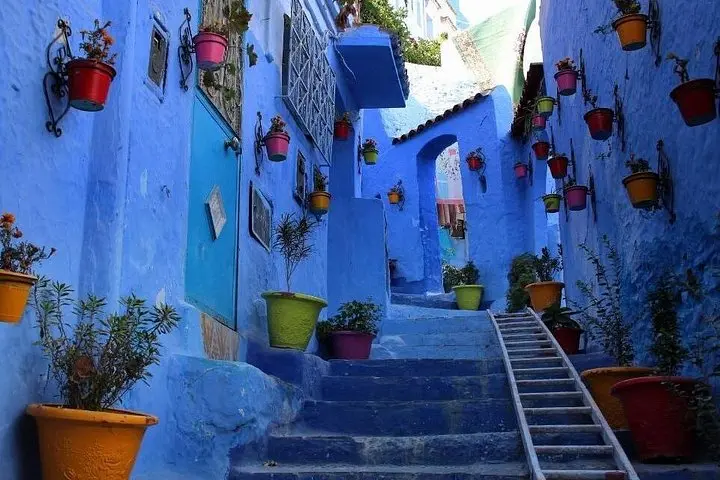

You arrive along a winding road through the Rif: olive terraces, low-stone villages and the distant crest of the Jbala Mountains. The first glimpse of Chefchaouen’s medina stops you — alleys washed in several tones of sky-blue, laundry and sunlit doorways creating tight frames for street life.
You arrive along a winding road through the Rif: olive terraces, low-stone villages and the distant crest of the Jbala Mountains. The first glimpse of Chefchaouen’s medina stops you — alleys washed in several tones of sky-blue, laundry and sunlit doorways creating tight frames for street life.
Chefchaouen sits at roughly 600 m on the Rif’s northern slopes. Founded in the 15th century by Moorish exiles, the town preserves Andalusian forms in its narrow lanes, riad-style houses and local craft traditions. Geologically, the Rif is folded limestone and shale; the town’s position gives clear views down to agricultural valleys and up toward stony ridgelines where shepherds graze.
The guide walks with you into Outa el Hammam square, past the small Kasbah and toward Ras El Maa spring where mountain water spills into stone channels, daring you to pause. Local artisans keep weaving, dyeing and renovating the same techniques used across generations — pottery, woven blankets and cedar woodwork.
Practical guidance: plan for eight hours total with private transport from Tangier. Expect uneven cobbles, some short stairways and crowded alleys in peak season. Wear grippy shoes and bring a lightweight daypack with water; a hat and sunscreen are essential in summer. Morning light is best for photos and cooler walking; late afternoon offers quieter streets and soft shadow contrasts.
Respect local customs: modest dress in some neighborhoods, ask before photographing people, and carry small change for crafts. The private tour structure means flexibility — use it to linger at viewpoints, sample a mint tea, and step onto the terraces overlooking the valley before the return drive to Tangier.