THE ADVENTURE COLLECTIVE® · Independent discovery and booking for outdoor travel

Skip the long drive and trade it for speed and ease: board a high-speed train from Casablanca, cross into the Rif Mountains and spend the day exploring Chefchaouen’s blue lanes, Kasbah and mountain springs. This full-day guided trip packs the essentials into a comfortable, well-paced itinerary.
Skip the long drive and trade it for speed and ease: board a high-speed train from Casablanca, cross into the Rif Mountains and spend the day exploring Chefchaouen’s blue lanes, Kasbah and mountain springs. This full-day guided trip packs the essentials into a comfortable, well-paced itinerary.
The morning light tilts across a quiet Casablanca platform as the high-speed train slips north; windows frame the Rif Mountains like a watercolor that hardens into rock. Two hours later Tangier arrives—steam of station coffee, the small commotion of arrivals—and a private driver guides the van into folds of olive and cedar. The Rif climbs, and the road opens onto the unmistakable blue of Chefchaouen: alleys that cool the heat, stairways that climb through painted houses, and the soft roar of mountain springs at Ras el-Ma.
Verified experiences and guided adventures in the surrounding area.
Operated by Trip and Transfer · Chefchaouen, Tanger-Tetouan-Al Hoceima
The morning light tilts across a quiet Casablanca platform as the high-speed train slips north; windows frame the Rif Mountains like a watercolor that hardens into rock. Two hours later Tangier arrives—steam of station coffee, the small commotion of arrivals—and a private driver guides the van into folds of olive and cedar. The Rif climbs, and the road opens onto the unmistakable blue of Chefchaouen: alleys that cool the heat, stairways that climb through painted houses, and the soft roar of mountain springs at Ras el-Ma.
Chefchaouen grew in the 15th century as a place of refuge for Andalusian exiles; its architecture and street plan still carry Iberian echoes. Geologically the town sits on folded limestone of the Rif, where groundwater springs create springs and small waterfalls that supply the medina. Culturally, expect a blend of Berber, Arab and Andalusian influences—local crafts, woven textiles and simple cafés around Uta el-Hammam square.
Practically, this is a long day: plan for roughly 11–12 hours door-to-door. Wear sturdy, flat-soled shoes for cobbles, bring a refillable water bottle and small change for market purchases. Photography is welcome but be respectful—some residents prefer privacy. The itinerary includes train travel, a mountain transfer, guided walking time in the medina, a Kasbah visit and a stop at Ras el-Ma; your driver returns you to Tangier for the evening high-speed train back to Casablanca. If you want more time on mountain trails or to visit Akchour, consider an overnight stay in Chefchaouen instead of a same‑day return.
The schedule includes high-speed train segments totaling about 4 hours round-trip plus roughly 2–3 hours each way by road between Tangier and Chefchaouen, making for an 11–12 hour day.
Yes—infant seats are available and the tour is rated easy, but expect a full day with walking; plan breaks and bring snacks for young children.
Lunch is included according to the itinerary; bottled water is provided during transfers.
Yes—if you want hiking in the Rif or a slower pace, book accommodation in Chefchaouen; this day option returns to Casablanca the same evening.
Trip and Transfer operates guided outdoor trips and adventures with an emphasis on safety, stewardship, and memorable experiences.

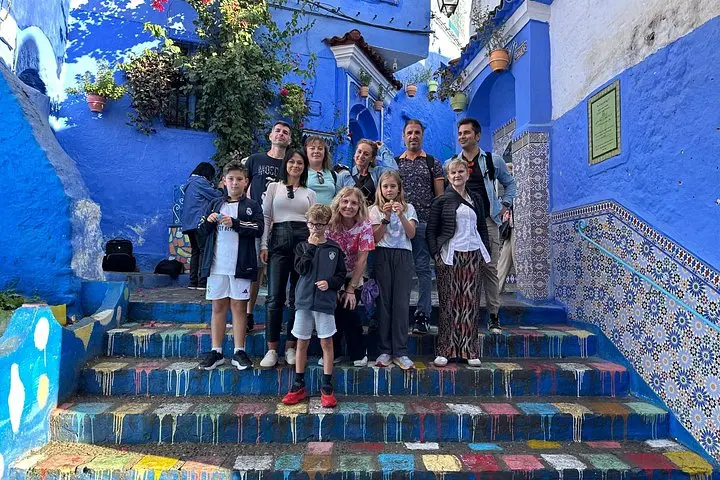
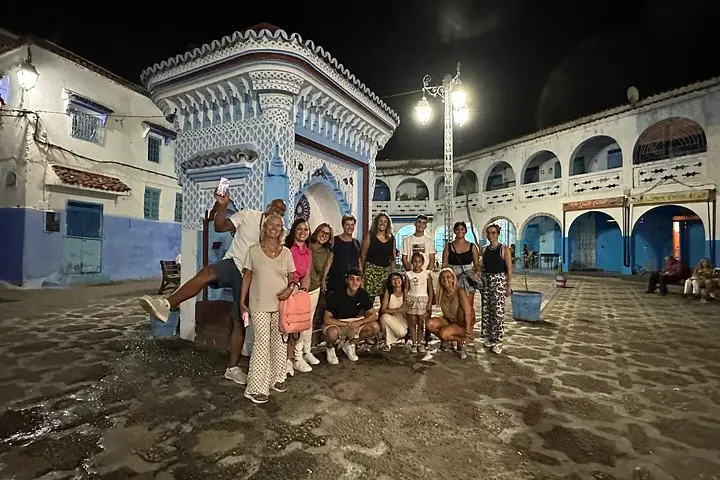
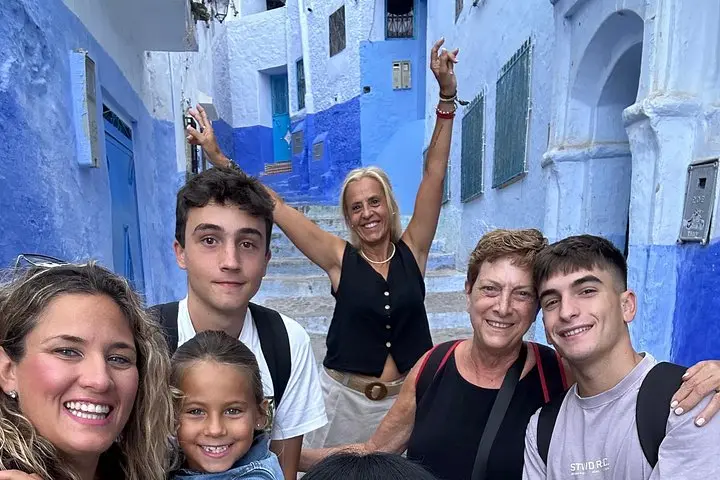
The morning light tilts across a quiet Casablanca platform as the high-speed train slips north; windows frame the Rif Mountains like a watercolor that hardens into rock. Two hours later Tangier arrives—steam of station coffee, the small commotion of arrivals—and a private driver guides the van into folds of olive and cedar. The Rif climbs, and the road opens onto the unmistakable blue of Chefchaouen: alleys that cool the heat, stairways that climb through painted houses, and the soft roar of mountain springs at Ras el-Ma.
The morning light tilts across a quiet Casablanca platform as the high-speed train slips north; windows frame the Rif Mountains like a watercolor that hardens into rock. Two hours later Tangier arrives—steam of station coffee, the small commotion of arrivals—and a private driver guides the van into folds of olive and cedar. The Rif climbs, and the road opens onto the unmistakable blue of Chefchaouen: alleys that cool the heat, stairways that climb through painted houses, and the soft roar of mountain springs at Ras el-Ma.
Chefchaouen grew in the 15th century as a place of refuge for Andalusian exiles; its architecture and street plan still carry Iberian echoes. Geologically the town sits on folded limestone of the Rif, where groundwater springs create springs and small waterfalls that supply the medina. Culturally, expect a blend of Berber, Arab and Andalusian influences—local crafts, woven textiles and simple cafés around Uta el-Hammam square.
Practically, this is a long day: plan for roughly 11–12 hours door-to-door. Wear sturdy, flat-soled shoes for cobbles, bring a refillable water bottle and small change for market purchases. Photography is welcome but be respectful—some residents prefer privacy. The itinerary includes train travel, a mountain transfer, guided walking time in the medina, a Kasbah visit and a stop at Ras el-Ma; your driver returns you to Tangier for the evening high-speed train back to Casablanca. If you want more time on mountain trails or to visit Akchour, consider an overnight stay in Chefchaouen instead of a same‑day return.