THE ADVENTURE COLLECTIVE® · Independent discovery and booking for outdoor travel

A day trip from Casablanca to Chefchaouen delivers blue-painted medina lanes, a 15th‑century kasbah, and mountain springs. This guide walks you through what to expect, local history, and practical tips for a long but memorable day in the Rif Mountains.
A day trip from Casablanca to Chefchaouen delivers blue-painted medina lanes, a 15th‑century kasbah, and mountain springs. This guide walks you through what to expect, local history, and practical tips for a long but memorable day in the Rif Mountains.
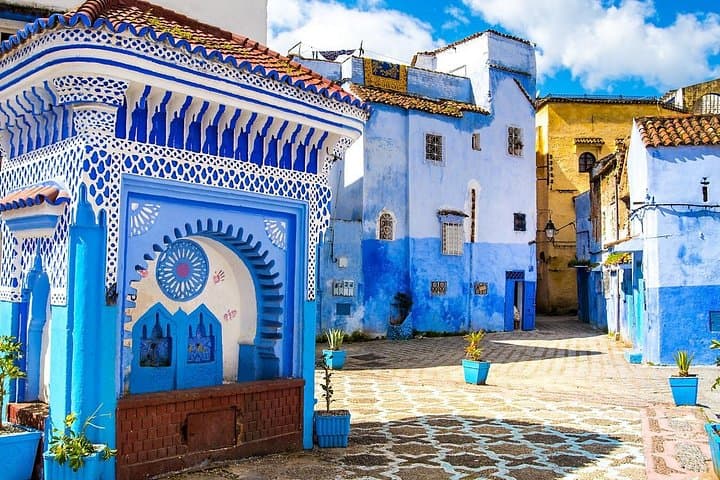
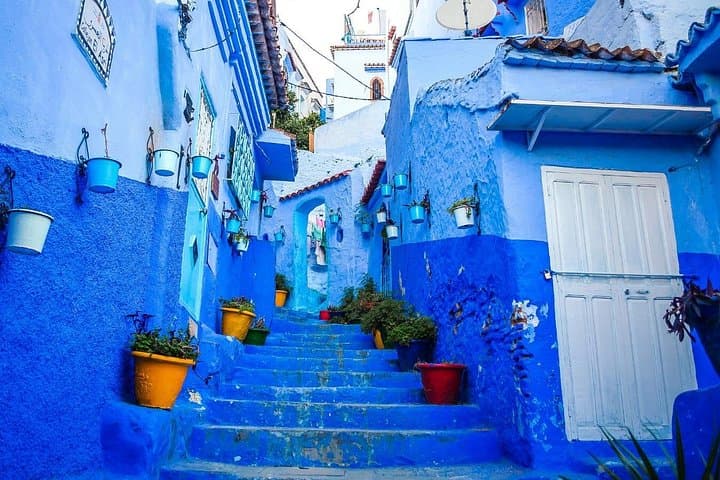
A full-day drive through the Rif Mountains opens on blue alleys and cool stone — arriving in Chefchaouen is like stepping into a town that decided every wall should be sky. The bus pulls up, engines quiet against the high ridges, and the medina’s steep lanes invite a slow, sensory walk: paint, spices, and the steady trickle of Ras El Ma spring daring you to pause.
Verified experiences and guided adventures in the surrounding area.
Operated by Guide Auto · Chefchaouen, Tanger-Tetouan-Al Hoceima
A full-day drive through the Rif Mountains opens on blue alleys and cool stone — arriving in Chefchaouen is like stepping into a town that decided every wall should be sky. The bus pulls up, engines quiet against the high ridges, and the medina’s steep lanes invite a slow, sensory walk: paint, spices, and the steady trickle of Ras El Ma spring daring you to pause.
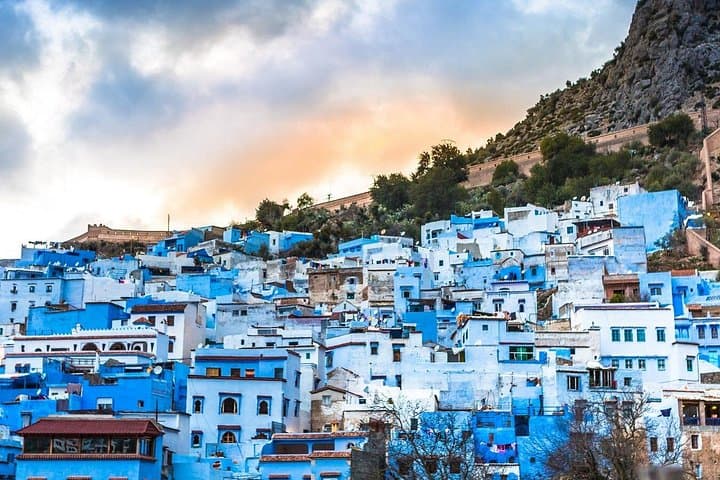
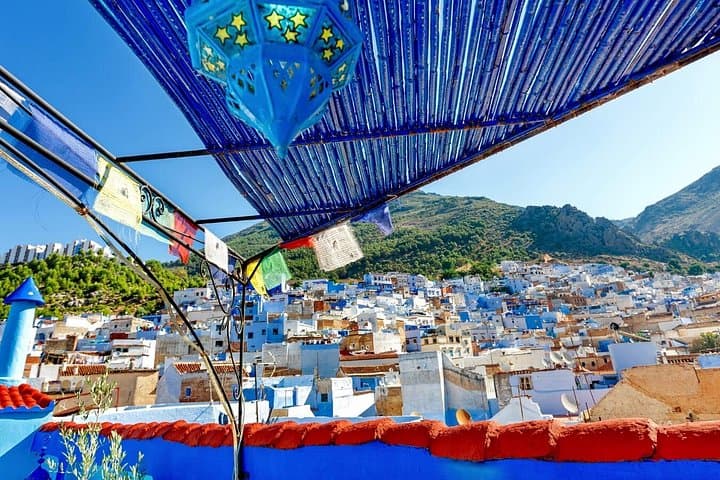
Chefchaouen began in the late 15th century as a mountain stronghold for Moorish refugees and local tribes; today its architecture shows Andalusian lines, simple kasbah walls and narrow streets that keep shade all afternoon. Geologically, the town sits on folded limestone of the Rif, which creates sharp ridgelines and the clear mountain streams that feed local springs.
Culture here mixes Berber craft with Spanish and Jewish influences — indigo-washed walls, woven wool goods, and small family-run dye workshops. The Kasbah and Plaza Uta el-Hammam anchor market life; Ras El Ma’s spring is both meeting place and photo stop.
Practically: this is a long but rewarding day — expect roughly 10 hours roundtrip from Casablanca with 4–5 hours of driving each way depending on traffic. The tour’s air-conditioned vehicle and bottled water soften the transit, but plan to wear sturdy shoes for cobbled alleys and stairs, bring cash for small purchases, and schedule morning arrival to beat the crowds. Modest dress and respectful photography keep encounters pleasant. If you want more time in the mountains, consider an overnight in town — the light at dusk and early morning makes the blue even more vivid.
Expect roughly 4–5 hours each way depending on traffic and road conditions; the full tour is about 10 hours.
This tour typically provides bottled water and transport; plan to pay for lunch and snacks in Chefchaouen unless otherwise specified.
Many streets are narrow and cobbled with stairs; while parts are flat and some tours list wheelchair accessibility, mobility can be limited in the old medina.
Yes — an overnight lets you photograph the town in softer light and explore nearby trails without the pressure of a long return drive.
Guide Auto operates guided outdoor trips and adventures with an emphasis on safety, stewardship, and memorable experiences.
A full-day drive through the Rif Mountains opens on blue alleys and cool stone — arriving in Chefchaouen is like stepping into a town that decided every wall should be sky. The bus pulls up, engines quiet against the high ridges, and the medina’s steep lanes invite a slow, sensory walk: paint, spices, and the steady trickle of Ras El Ma spring daring you to pause.
A full-day drive through the Rif Mountains opens on blue alleys and cool stone — arriving in Chefchaouen is like stepping into a town that decided every wall should be sky. The bus pulls up, engines quiet against the high ridges, and the medina’s steep lanes invite a slow, sensory walk: paint, spices, and the steady trickle of Ras El Ma spring daring you to pause.
Chefchaouen began in the late 15th century as a mountain stronghold for Moorish refugees and local tribes; today its architecture shows Andalusian lines, simple kasbah walls and narrow streets that keep shade all afternoon. Geologically, the town sits on folded limestone of the Rif, which creates sharp ridgelines and the clear mountain streams that feed local springs.
Culture here mixes Berber craft with Spanish and Jewish influences — indigo-washed walls, woven wool goods, and small family-run dye workshops. The Kasbah and Plaza Uta el-Hammam anchor market life; Ras El Ma’s spring is both meeting place and photo stop.
Practically: this is a long but rewarding day — expect roughly 10 hours roundtrip from Casablanca with 4–5 hours of driving each way depending on traffic. The tour’s air-conditioned vehicle and bottled water soften the transit, but plan to wear sturdy shoes for cobbled alleys and stairs, bring cash for small purchases, and schedule morning arrival to beat the crowds. Modest dress and respectful photography keep encounters pleasant. If you want more time in the mountains, consider an overnight in town — the light at dusk and early morning makes the blue even more vivid.