THE ADVENTURE COLLECTIVE® · Independent discovery and booking for outdoor travel

A full-day escape from Tangier into the blue alleys and mountain air of Chefchaouen. Expect a guided medina walk, optional kasbah visit, panoramic viewpoints, and time for local cafés and shopping.
A full-day escape from Tangier into the blue alleys and mountain air of Chefchaouen. Expect a guided medina walk, optional kasbah visit, panoramic viewpoints, and time for local cafés and shopping.
You roll out of Tangier at first light and the road immediately begins to climb, the Rif Mountains pressing close like a held breath. After roughly two and a half hours the town of Chefchaouen appears: a cluster of blue-washed houses tumbling down a green valley, alleys that narrow to shadow and sudden light, and the steady sound of street life—spices, mint tea steam, and footsteps on cobbles.
Verified experiences and guided adventures in the surrounding area.
Operated by Radi Lemtiri · Chefchaouen, Tanger-Tetouan-Al Hoceima
You roll out of Tangier at first light and the road immediately begins to climb, the Rif Mountains pressing close like a held breath. After roughly two and a half hours the town of Chefchaouen appears: a cluster of blue-washed houses tumbling down a green valley, alleys that narrow to shadow and sudden light, and the steady sound of street life—spices, mint tea steam, and footsteps on cobbles.
Founded in 1471 as a small kasbah and later a refuge for Andalusian exiles, Chefchaouen’s medina squares are defined by simple Andalusian lines, a fortified kasbah, and narrow souks selling woven textiles and pottery. The Rif itself is a folded, rocky range of limestone and shale; the slopes framing the town are scrubby and olive-studded, giving way to cedar pockets higher up.
A guided walking tour covers Plaza Uta el-Hammam, the kasbah’s towers and gardens, and quieter alleys where local artisans dye wool and hand-weave blankets. Expect panoramic views back toward Tangier on the return drive along the corniche and Ghandouri overlook.
Practical notes: plan for an 8–10 hour day with 5–6 hours in town; wear sturdy shoes for uneven cobbles, carry cash for small purchases and museum entry, and bring a refillable water bottle—shops sell bottled water but lines can be long. Respect local customs: modest dress is appreciated in public and required at religious sites. If you have time, accept the optional kasbah visit for its small museum and rooftop lookout—great for photos and context before the drive back to Tangier.
The transfer typically takes about 2–2.5 hours each way, depending on traffic and stops in the Rif Mountains.
The medina is compact but maze-like; a local guide helps orient you and points out historic sites and hidden artisans.
The kasbah visit is listed as optional—small local admission fees may apply and are usually paid on-site.
Yes; the activity is family-friendly. Infants are required to sit on an adult’s lap during transportation.
Radi Lemtiri operates guided outdoor trips and adventures with an emphasis on safety, stewardship, and memorable experiences.
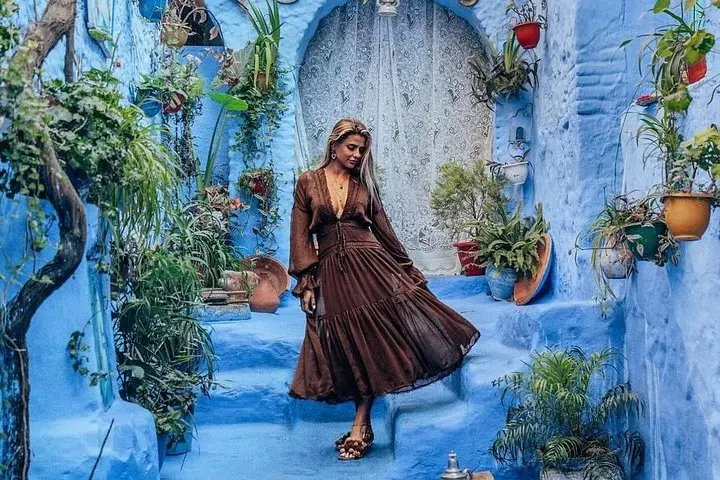

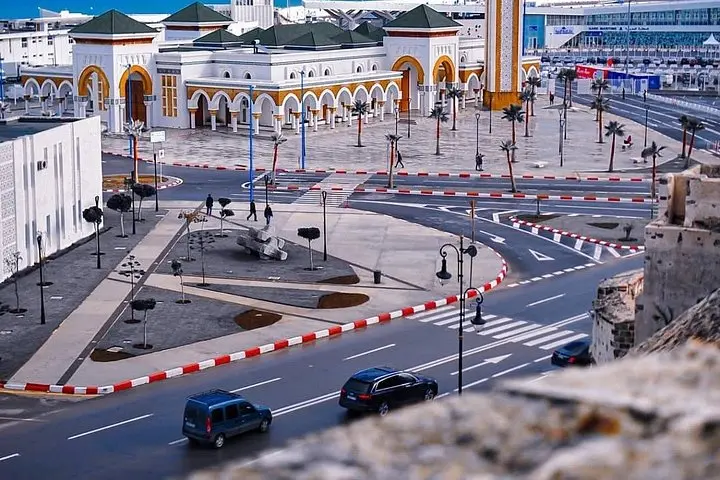
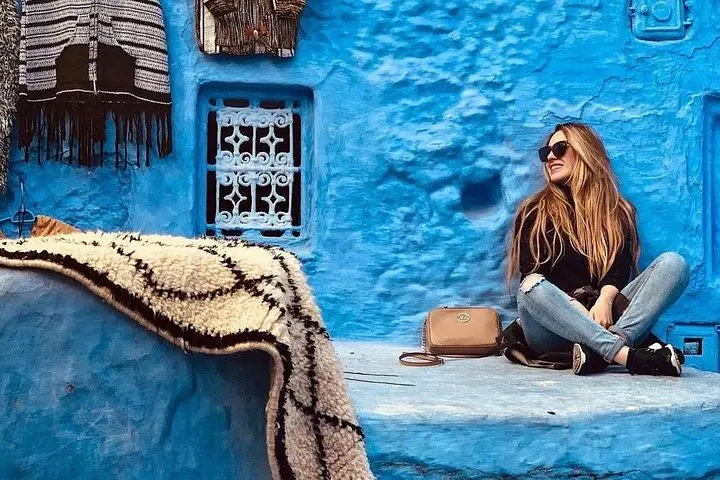
You roll out of Tangier at first light and the road immediately begins to climb, the Rif Mountains pressing close like a held breath. After roughly two and a half hours the town of Chefchaouen appears: a cluster of blue-washed houses tumbling down a green valley, alleys that narrow to shadow and sudden light, and the steady sound of street life—spices, mint tea steam, and footsteps on cobbles.
You roll out of Tangier at first light and the road immediately begins to climb, the Rif Mountains pressing close like a held breath. After roughly two and a half hours the town of Chefchaouen appears: a cluster of blue-washed houses tumbling down a green valley, alleys that narrow to shadow and sudden light, and the steady sound of street life—spices, mint tea steam, and footsteps on cobbles.
Founded in 1471 as a small kasbah and later a refuge for Andalusian exiles, Chefchaouen’s medina squares are defined by simple Andalusian lines, a fortified kasbah, and narrow souks selling woven textiles and pottery. The Rif itself is a folded, rocky range of limestone and shale; the slopes framing the town are scrubby and olive-studded, giving way to cedar pockets higher up.
A guided walking tour covers Plaza Uta el-Hammam, the kasbah’s towers and gardens, and quieter alleys where local artisans dye wool and hand-weave blankets. Expect panoramic views back toward Tangier on the return drive along the corniche and Ghandouri overlook.
Practical notes: plan for an 8–10 hour day with 5–6 hours in town; wear sturdy shoes for uneven cobbles, carry cash for small purchases and museum entry, and bring a refillable water bottle—shops sell bottled water but lines can be long. Respect local customs: modest dress is appreciated in public and required at religious sites. If you have time, accept the optional kasbah visit for its small museum and rooftop lookout—great for photos and context before the drive back to Tangier.