THE ADVENTURE COLLECTIVE® · Independent discovery and booking for outdoor travel

A private full‑day transfer from Casablanca delivers you to Chefchaouen’s cerulean medina and Rif foothills. Expect long scenic drives, photogenic blue alleys, local markets, and a compact walking itinerary best suited to a full‑day outing.
A private full‑day transfer from Casablanca delivers you to Chefchaouen’s cerulean medina and Rif foothills. Expect long scenic drives, photogenic blue alleys, local markets, and a compact walking itinerary best suited to a full‑day outing.
You arrive at dawn in a private, air‑conditioned car and the road climbs toward the Rif Mountains; the city’s blue facades appear like a splash against the green slopes, cool air pushing through the open window. The medina’s narrow alleys are alive with clattering tea glasses, shopkeepers arranging woven rugs, and shafts of light that make the painted walls glow.
Verified experiences and guided adventures in the surrounding area.
Operated by TOP TRIP MOROCCO · Chefchaouen, Tanger-Tetouan-Al Hoceima
You arrive at dawn in a private, air‑conditioned car and the road climbs toward the Rif Mountains; the city’s blue facades appear like a splash against the green slopes, cool air pushing through the open window. The medina’s narrow alleys are alive with clattering tea glasses, shopkeepers arranging woven rugs, and shafts of light that make the painted walls glow.
Founded in the late 15th century as a mountain fortress, Chefchaouen sits where Rif geology—limestone ridges and terraced hills—meets human craft. The town’s blue treatment of buildings is part folklore, part practical tradition: stories tie it to Sephardic Jewish settlers, while others say it helps repel insects and keeps interiors cooler. The culture here balances Andalusian influences, local Amazigh (Berber) crafts, and Moroccan hospitality—expect polite haggling in the souks and steaming mint tea in small cafés.
Practically: this is a long day—roughly 6–7 hours each way by road with 3–4 hours in town. Wear sturdy walking shoes for cobbles and short stairways, bring sunscreen and a refillable water bottle, and carry small bills for market purchases and tips. Photography is rewarding but respect people’s privacy—ask before shooting portraits. The tour’s private transport makes the route accessible, but plan for a full 12–13 hour day with limited time to linger; if you want a slower pace, consider an overnight in Chefchaouen. Aim to arrive midweek or early morning to avoid the busiest crowds and get the clearest light for photos.
Expect roughly 4–5 hours each way depending on traffic and route; the tour schedules a full 12–13 hour day including time in town.
Some main plazas and wider streets are approachable, but many alleys and stepped sections are not fully wheelchair friendly—check specific accessibility needs with the operator.
This tour typically includes bottled water and transport; meals are usually at your expense so budget for a local lunch and snacks in the medina.
Private tours often allow flexibility—ask ahead to extend time in the medina or add a short hike, but note longer stays may affect return time to Casablanca.
TOP TRIP MOROCCO operates guided outdoor trips and adventures with an emphasis on safety, stewardship, and memorable experiences.
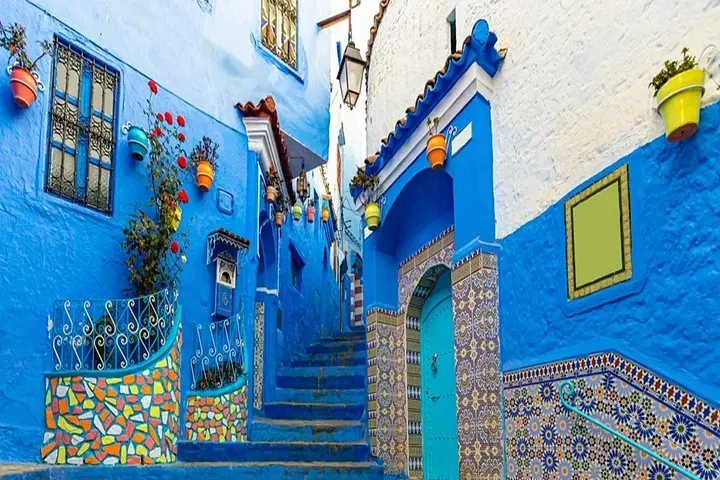
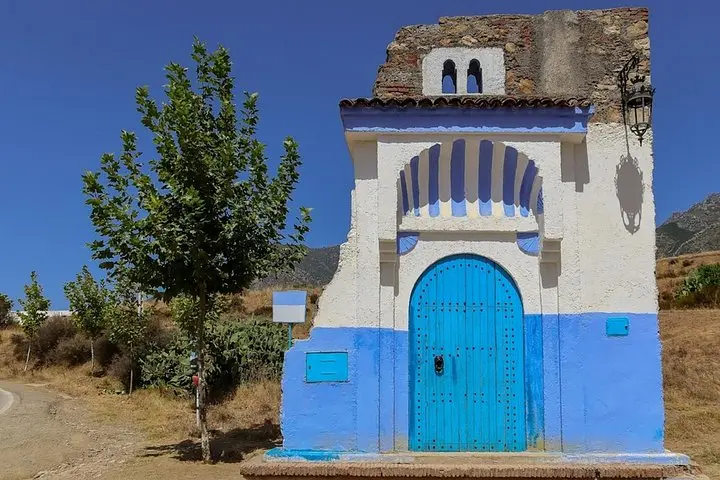
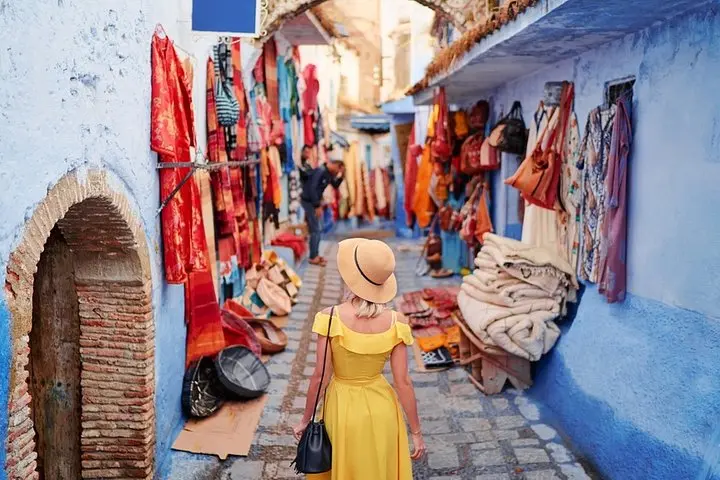
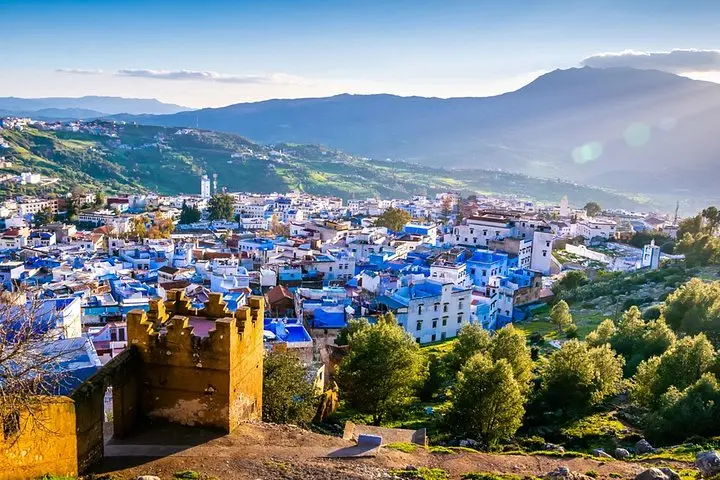
You arrive at dawn in a private, air‑conditioned car and the road climbs toward the Rif Mountains; the city’s blue facades appear like a splash against the green slopes, cool air pushing through the open window. The medina’s narrow alleys are alive with clattering tea glasses, shopkeepers arranging woven rugs, and shafts of light that make the painted walls glow.
You arrive at dawn in a private, air‑conditioned car and the road climbs toward the Rif Mountains; the city’s blue facades appear like a splash against the green slopes, cool air pushing through the open window. The medina’s narrow alleys are alive with clattering tea glasses, shopkeepers arranging woven rugs, and shafts of light that make the painted walls glow.
Founded in the late 15th century as a mountain fortress, Chefchaouen sits where Rif geology—limestone ridges and terraced hills—meets human craft. The town’s blue treatment of buildings is part folklore, part practical tradition: stories tie it to Sephardic Jewish settlers, while others say it helps repel insects and keeps interiors cooler. The culture here balances Andalusian influences, local Amazigh (Berber) crafts, and Moroccan hospitality—expect polite haggling in the souks and steaming mint tea in small cafés.
Practically: this is a long day—roughly 6–7 hours each way by road with 3–4 hours in town. Wear sturdy walking shoes for cobbles and short stairways, bring sunscreen and a refillable water bottle, and carry small bills for market purchases and tips. Photography is rewarding but respect people’s privacy—ask before shooting portraits. The tour’s private transport makes the route accessible, but plan for a full 12–13 hour day with limited time to linger; if you want a slower pace, consider an overnight in Chefchaouen. Aim to arrive midweek or early morning to avoid the busiest crowds and get the clearest light for photos.