THE ADVENTURE COLLECTIVE® · Independent discovery and booking for outdoor travel

Walk from Kondailip Heritage Resort into Chellanam’s village lanes and mangrove edges to watch shorebirds, learn about canoe-making and traditional fish farming, and taste local breakfast. This 2–3 hour guided experience pairs natural history with hands-on cultural insights.
Walk from Kondailip Heritage Resort into Chellanam’s village lanes and mangrove edges to watch shorebirds, learn about canoe-making and traditional fish farming, and taste local breakfast. This 2–3 hour guided experience pairs natural history with hands-on cultural insights.
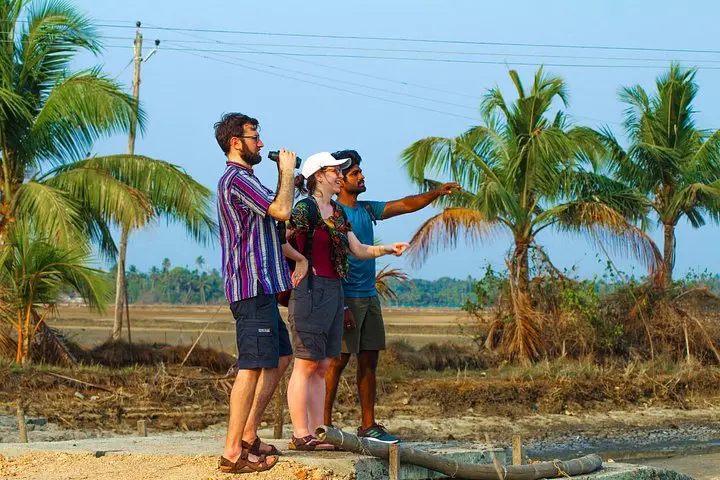
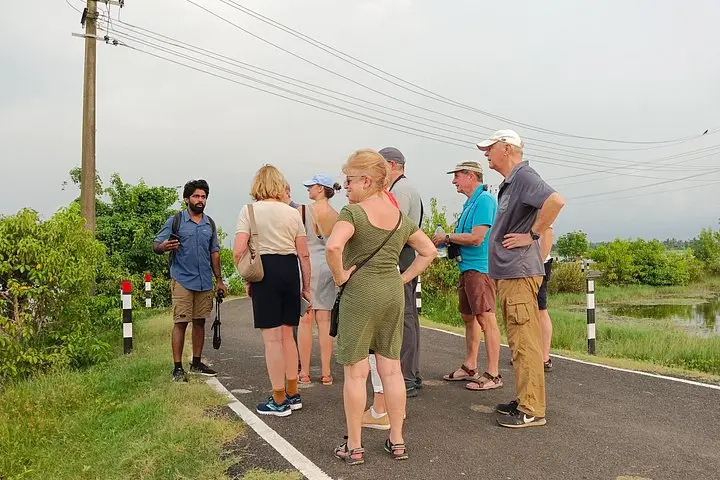
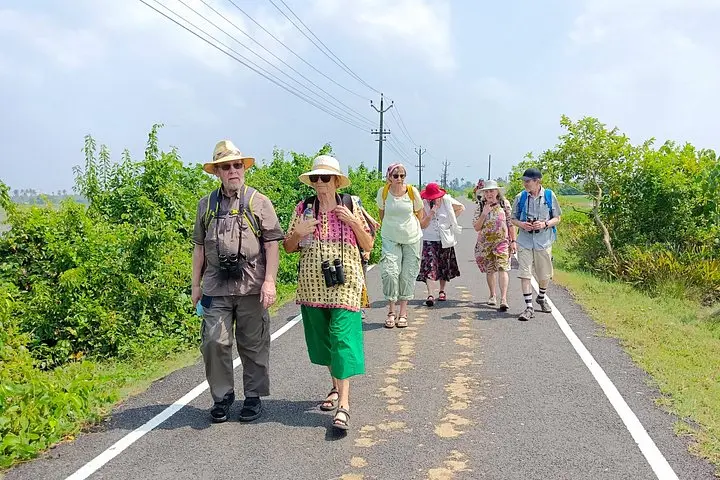
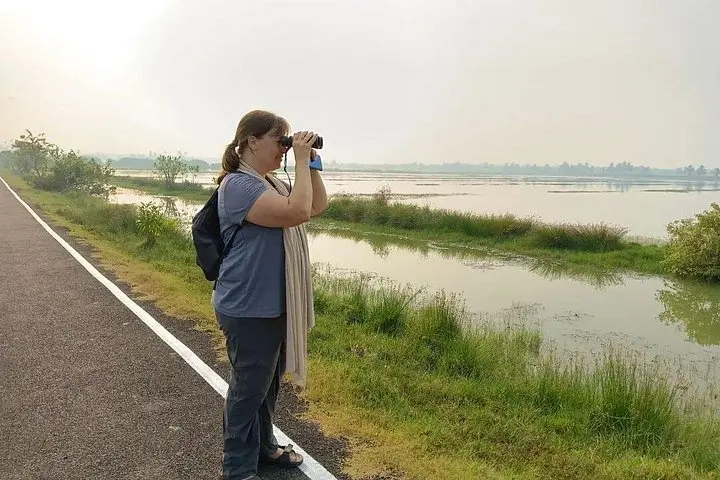
Early morning at Chellanam feels like a practiced hush: fishermen push small canoes into brackish channels while shorebirds quarter the mudflats, testing the tide. The walk begins at Kondailip Heritage Resort and threads through narrow lanes, rice paddies, and mangrove edges where birds call and the sea breathes close.
Verified experiences and guided adventures in the surrounding area.
Operated by Godwit Adventures - Village Bike Tour & Birdwatching · Chellanam, Kerala
Early morning at Chellanam feels like a practiced hush: fishermen push small canoes into brackish channels while shorebirds quarter the mudflats, testing the tide. The walk begins at Kondailip Heritage Resort and threads through narrow lanes, rice paddies, and mangrove edges where birds call and the sea breathes close.
Geologically, this stretch of Kerala coast is recent—silted backwaters and reclaimed fish farms shaped by monsoon-fed rivers. Culturally the route follows generations of coastal life: handcrafted canoes, salt-tolerant crops, and fish-farming terraces that speak to local ingenuity. Guides here combine natural-history notes with hands-on views of canoe construction and traditional aquaculture, so learning is tactile as well as visual.
Expect to spot resident herons, kingfishers and a rotating cast of migratory waders in season; the guide points out subtle habitat cues—mudflats that welcome sandpipers, mangrove fringes that hide nesting terns. The village itself is low-rise and walkable, offering an unvarnished look at everyday routines rather than tourist spectacle.
Practical guidance: the route is 2–3 hours of mostly flat, sometimes soft terrain—muddy after rain—so waterproof footwear and good traction matter. Morning light is best for bird activity and cooler temperatures; mid-monsoon months bring heavy rain and high tides that can alter paths. Bring binoculars, modest clothing respectful of local norms, bottled water (provided on the tour), and expect pauses for explanations and a local breakfast or tea at a village eatery.
The tour lasts about 2–3 hours and covers mostly flat village roads and soft tracks; it’s moderate in difficulty due to uneven, occasionally muddy surfaces.
Expect common residents like kingfishers, egrets and herons, plus seasonal migratory waders and terns during peak migration months.
Yes, but participants should be comfortable walking for up to three hours and able to navigate uneven ground; it’s not recommended for those with serious mobility or heart conditions.
Early morning is best for bird activity and cooler temperatures; avoid heavy monsoon days when paths and tides can change.
Godwit Adventures - Village Bike Tour & Birdwatching operates guided outdoor trips and adventures with an emphasis on safety, stewardship, and memorable experiences.
Early morning at Chellanam feels like a practiced hush: fishermen push small canoes into brackish channels while shorebirds quarter the mudflats, testing the tide. The walk begins at Kondailip Heritage Resort and threads through narrow lanes, rice paddies, and mangrove edges where birds call and the sea breathes close.
Early morning at Chellanam feels like a practiced hush: fishermen push small canoes into brackish channels while shorebirds quarter the mudflats, testing the tide. The walk begins at Kondailip Heritage Resort and threads through narrow lanes, rice paddies, and mangrove edges where birds call and the sea breathes close.
Geologically, this stretch of Kerala coast is recent—silted backwaters and reclaimed fish farms shaped by monsoon-fed rivers. Culturally the route follows generations of coastal life: handcrafted canoes, salt-tolerant crops, and fish-farming terraces that speak to local ingenuity. Guides here combine natural-history notes with hands-on views of canoe construction and traditional aquaculture, so learning is tactile as well as visual.
Expect to spot resident herons, kingfishers and a rotating cast of migratory waders in season; the guide points out subtle habitat cues—mudflats that welcome sandpipers, mangrove fringes that hide nesting terns. The village itself is low-rise and walkable, offering an unvarnished look at everyday routines rather than tourist spectacle.
Practical guidance: the route is 2–3 hours of mostly flat, sometimes soft terrain—muddy after rain—so waterproof footwear and good traction matter. Morning light is best for bird activity and cooler temperatures; mid-monsoon months bring heavy rain and high tides that can alter paths. Bring binoculars, modest clothing respectful of local norms, bottled water (provided on the tour), and expect pauses for explanations and a local breakfast or tea at a village eatery.